


Activities by Age
The same activity lands very differently at three and at seven. These pages group ideas by what tends to work at each age — as a starting point, not a rule.
Activities
-

The Sock That Went Missing
A five-minute story about one striped sock, a washing machine, and where socks actually go.
-
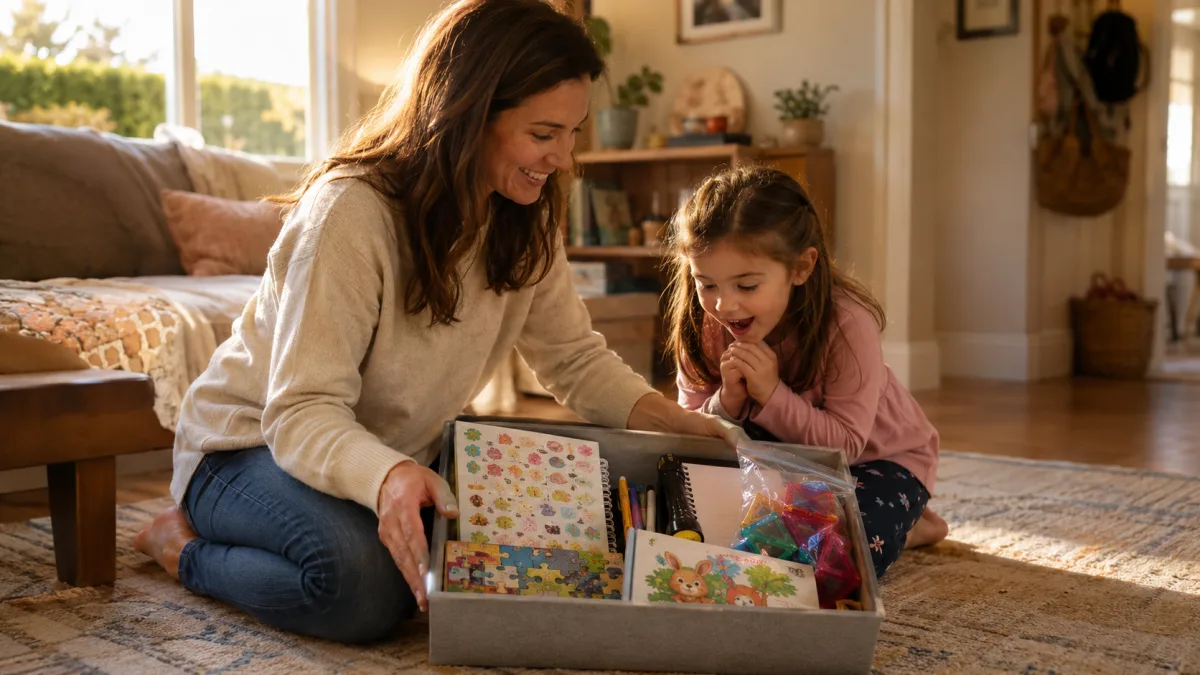
A Quiet Box for the Difficult Hour
One box, five or six calm things, brought out only when everything is falling apart. It works because it is rare.
-
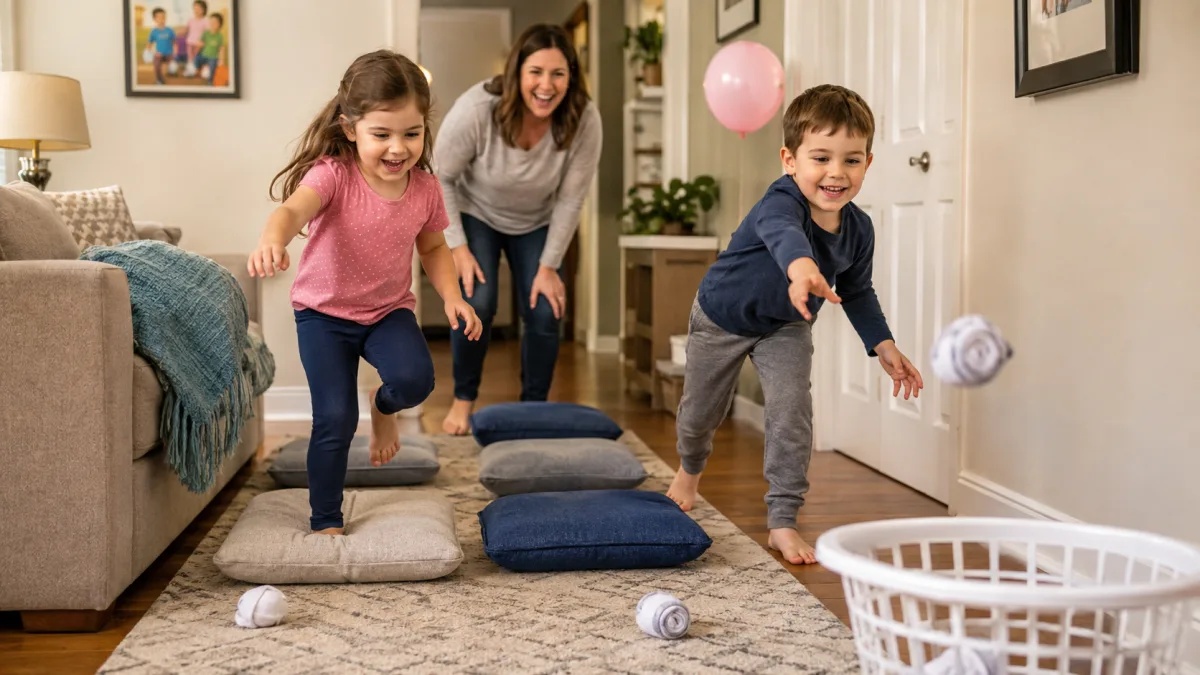
Getting the Energy Out in a Small Room
Four ways to wear a child out indoors without breaking anything or annoying the neighbours downstairs.
-
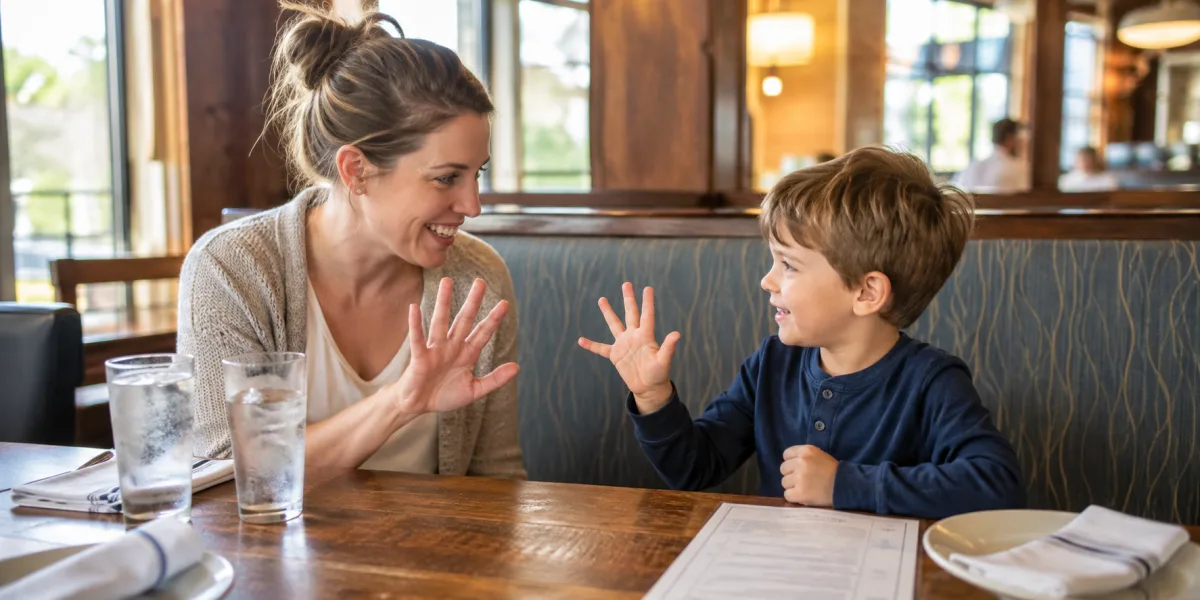
Five Games for the Wait Before the Food
No bag, no crayons, nothing to drop on the floor. Five games that need only the two of you and a table.
-
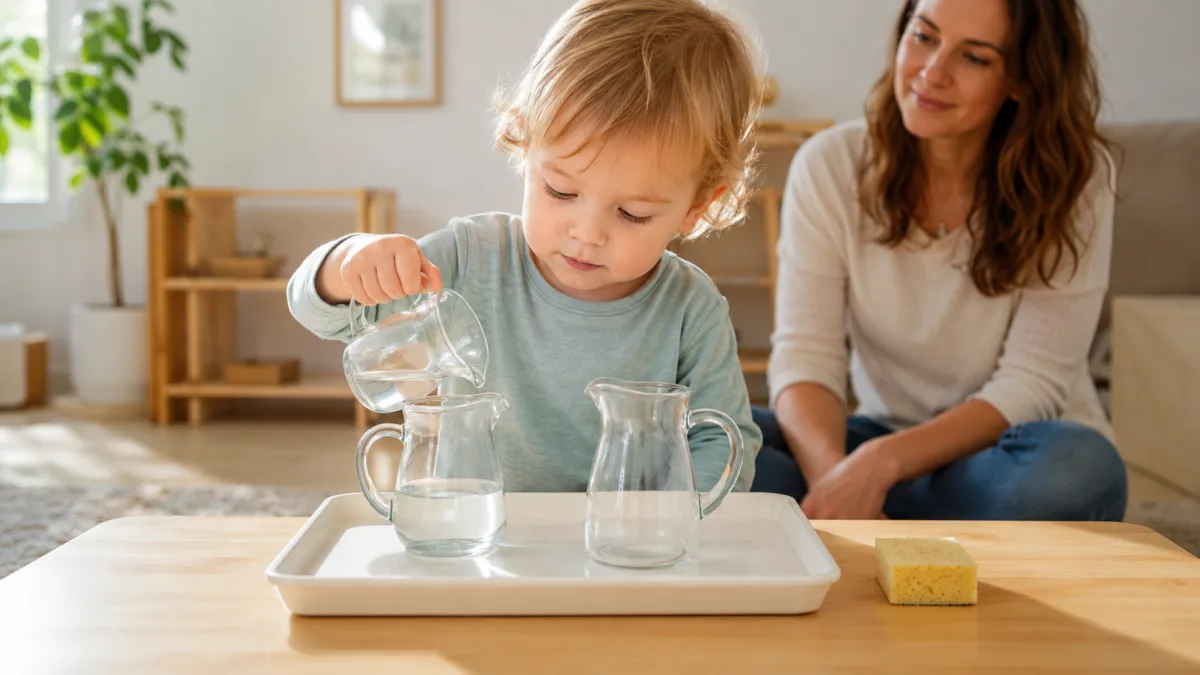
A Pouring Station
Two small jugs, a tray, and water. Absorbing, genuinely useful, and a child can do it entirely alone.
-
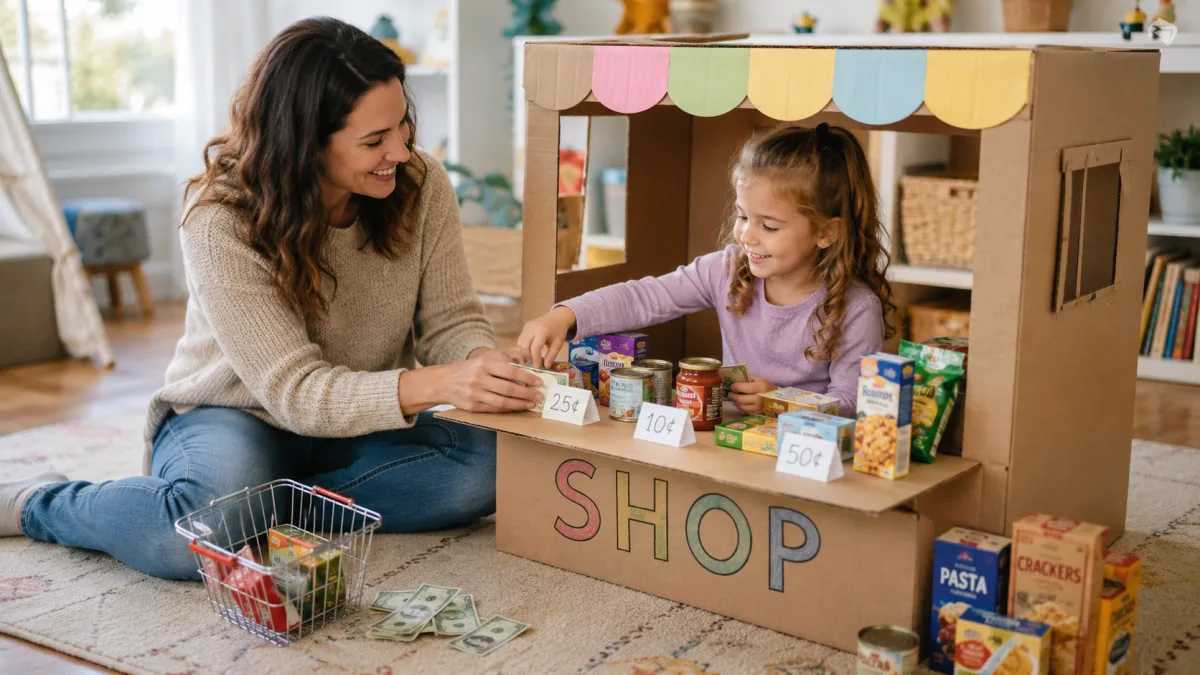
Turning a Box Into a Shop
A delivery box, a marker and whatever is in the cupboard. Then step back, because the play runs itself.
-
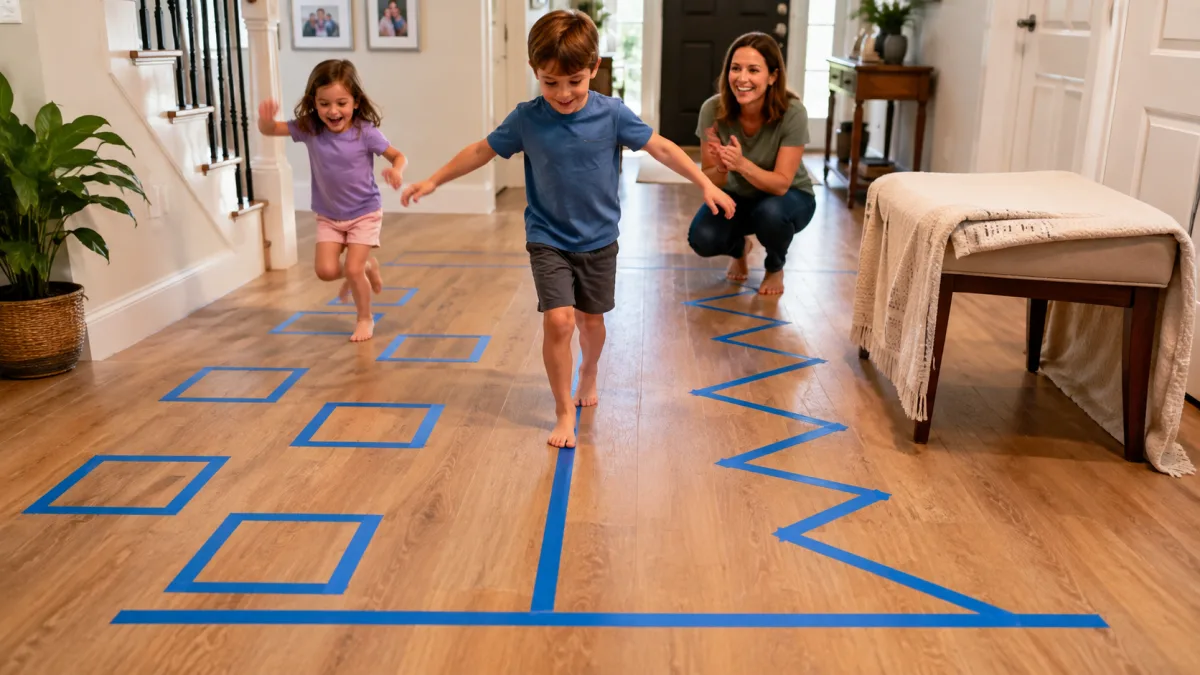
A Masking Tape Obstacle Course
One roll of tape turns a hallway into a course to balance, jump and crawl along. Works in a flat, upstairs, in the rain.
-
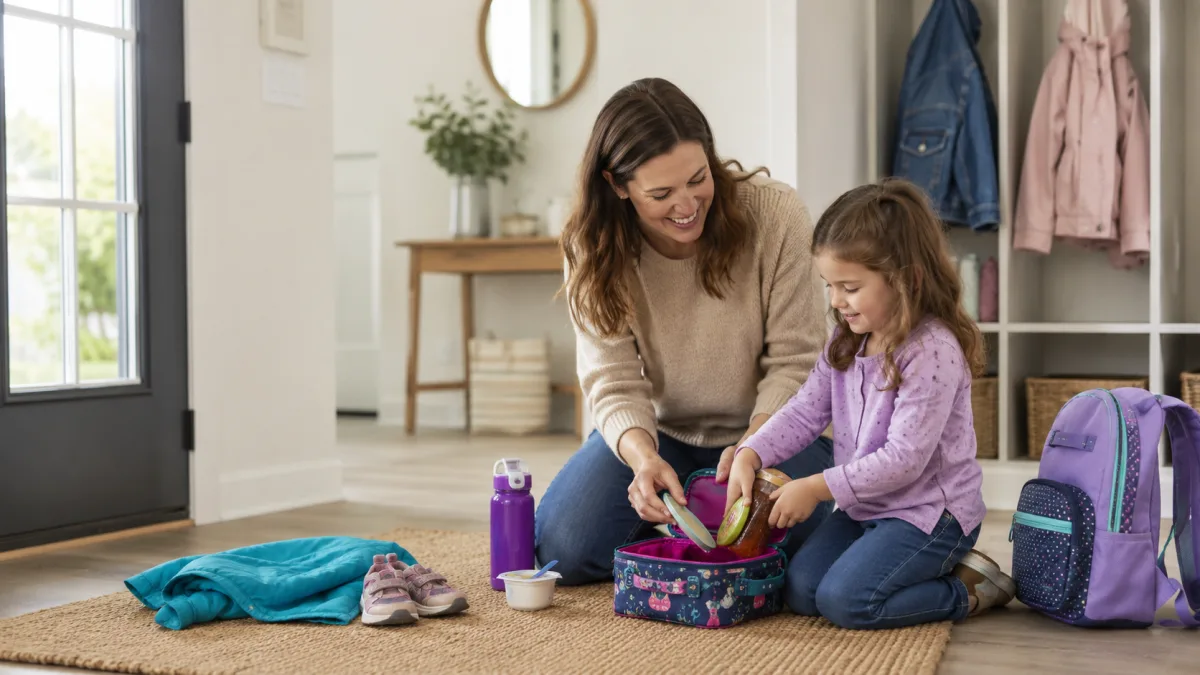
Practising the Bits That Actually Worry Them
Not the alphabet — the lunchbox, the buttons, the shoes and finding the toilet. The things that decide whether a first week goes well.
-
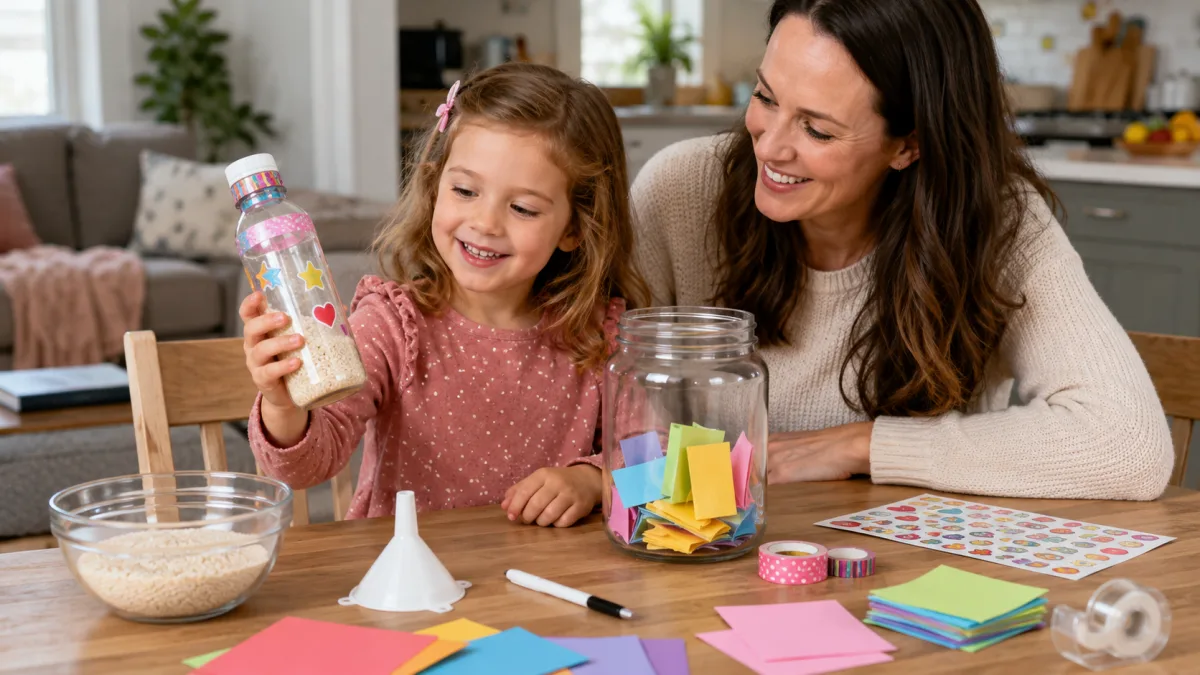
Noisy Shakers and a Jar of Good Things
One loud activity and one quiet one. Make shakers for the countdown, and a jar to look back at next year.
-
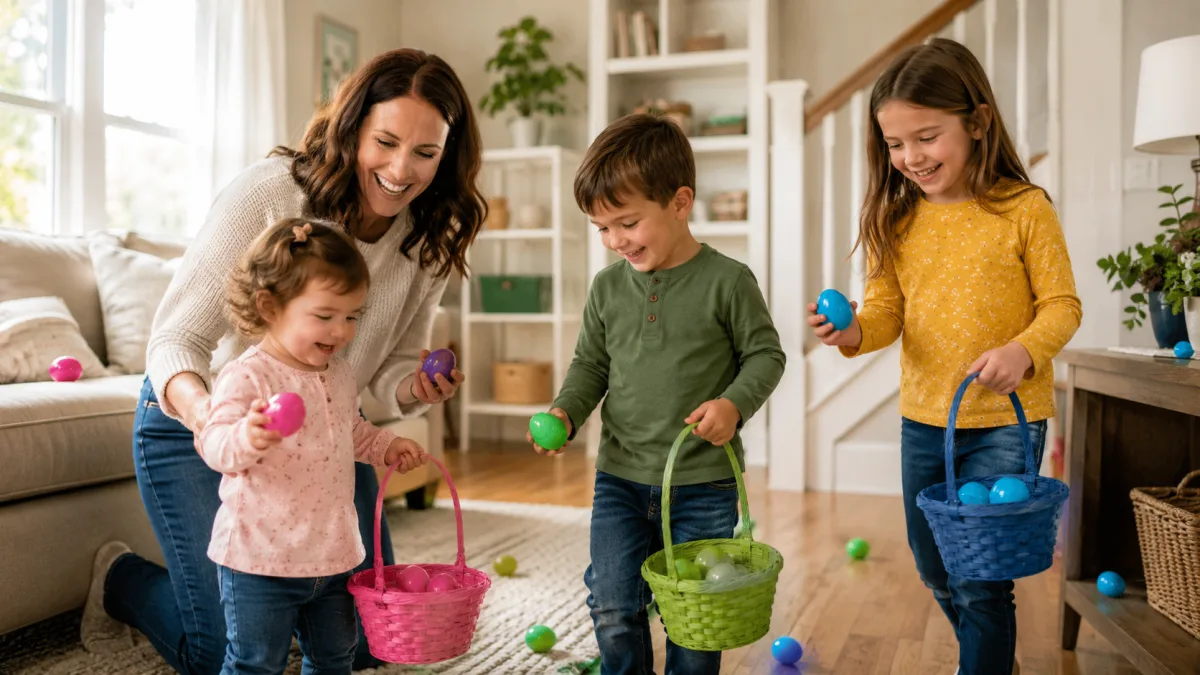
An Egg Hunt That Works for Every Age
The same hunt, three difficulty levels, so a two-year-old and a seven-year-old can play together without either being bored.
-

Winter Play When It Is Too Cold to Go Out
Ice, torches, dens and paper snowflakes. The four things that reliably fill a dark afternoon.
-
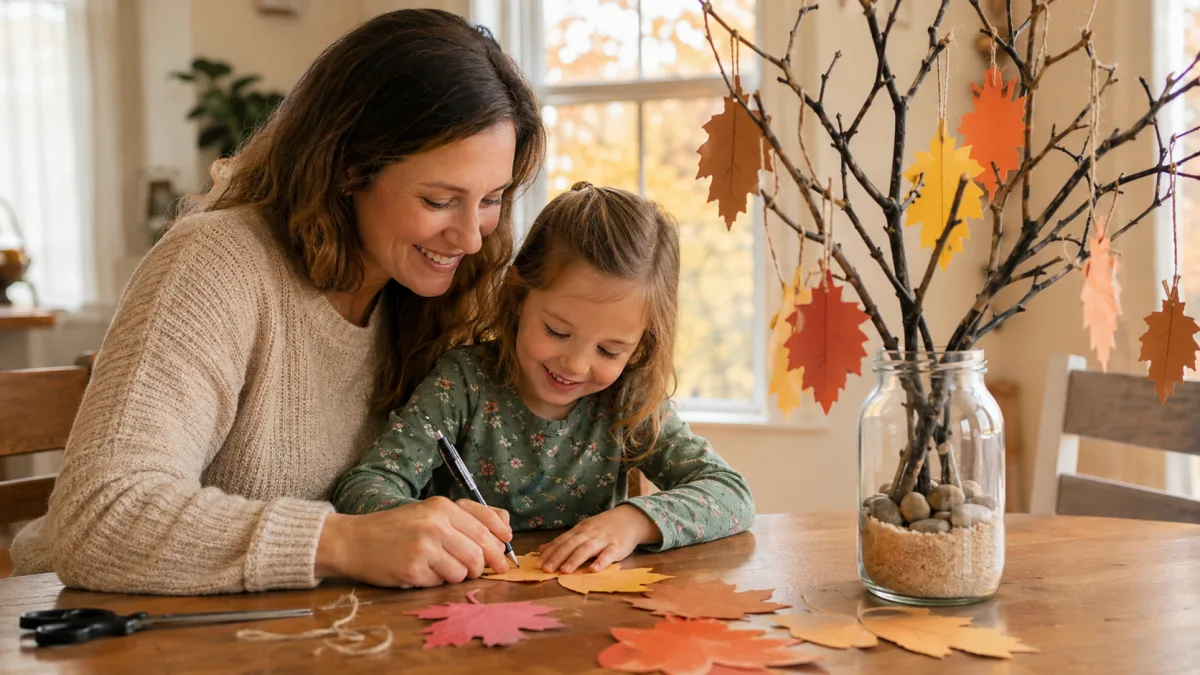
A Thankful Tree
A branch in a jar and a paper leaf each day. Small, slow, and it ends up being the thing everyone reads at the table.
-

Scooping Out a Pumpkin
The insides are the best part. Scooping is a proper sensory activity, and the washed seeds do a week of counting afterwards.
-

Collect the Leaves, Then Sort Them
A bag, a walk, and a kitchen table. The collecting is half of it and the sorting is the other half.
-
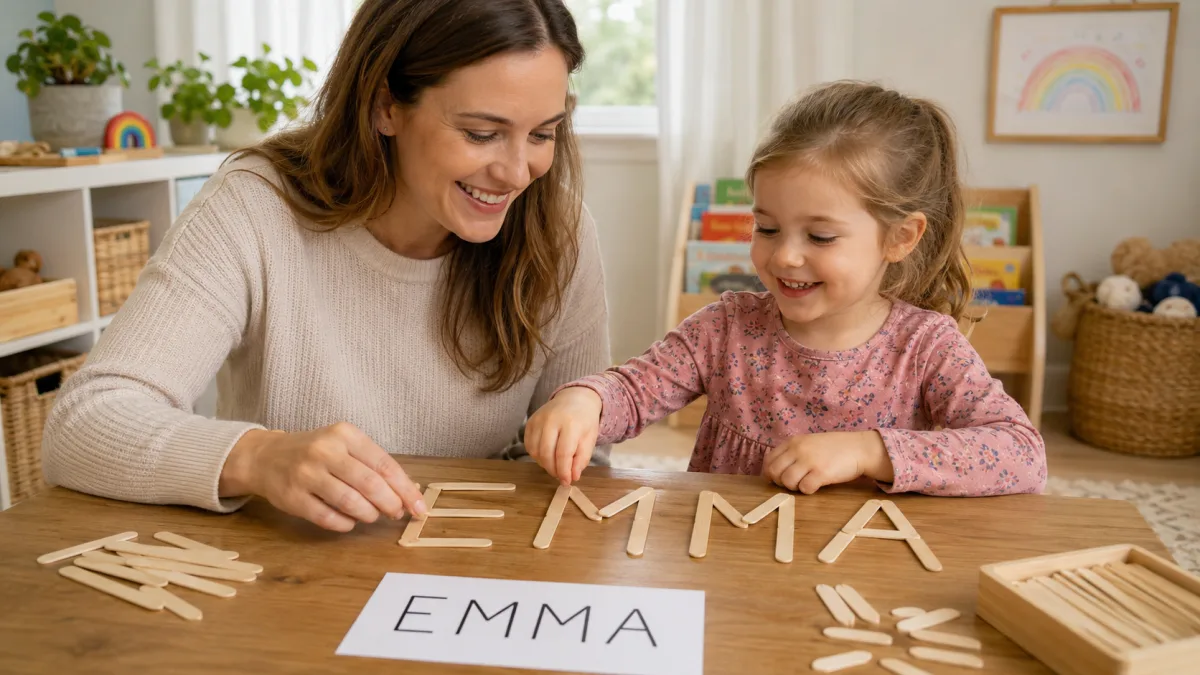
Building Your Name Out of Sticks
Straight lines make most capital letters. Lolly sticks, twigs or straws turn letter shapes into something you build rather than draw.
-
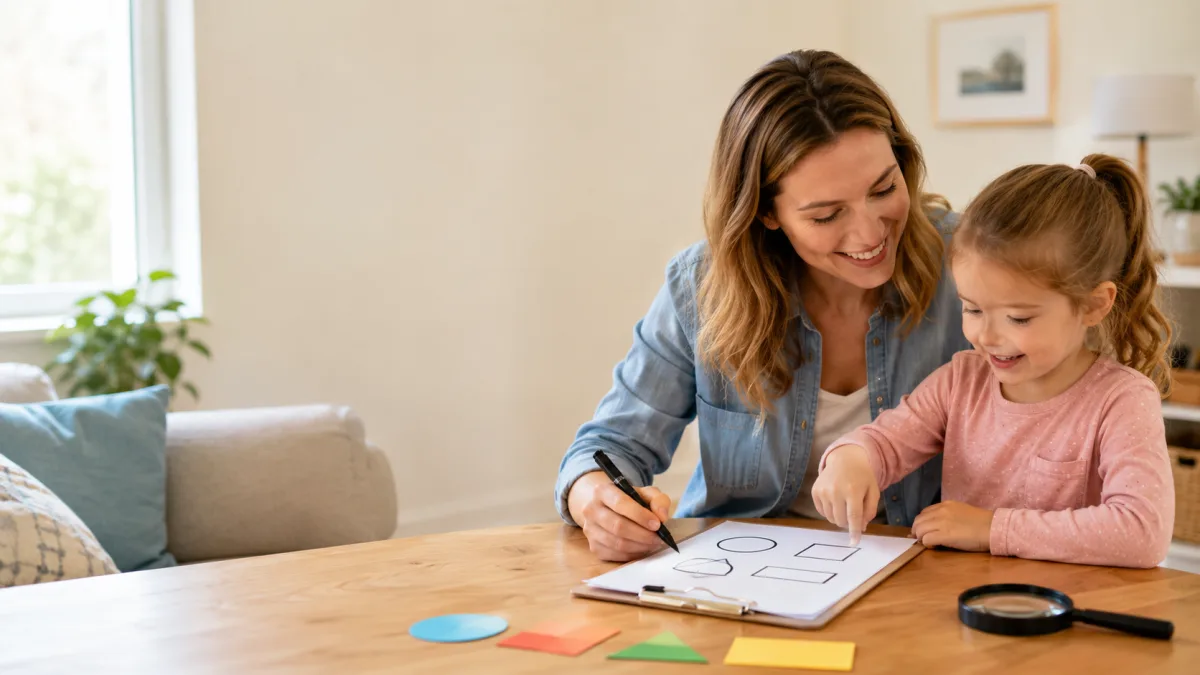
A Shape Hunt Round the House
Circles, squares and triangles are already everywhere. Give them a list and let them find them.
-

Counting the Stairs (and Everything Else)
Not really an activity — a habit. Counting things out loud all day does more for early maths than any worksheet.
-

I Spy, But With Sounds
The same game you already know, played with the sound a word starts with instead of the letter. Needs nothing at all.
-
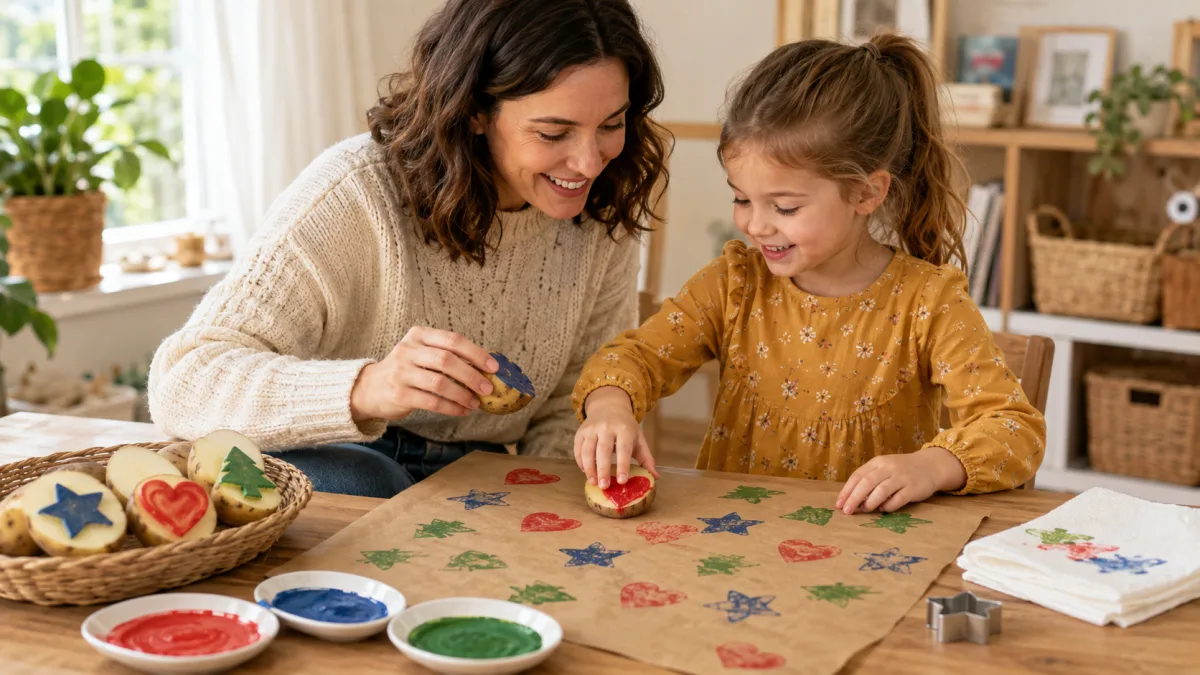
Printing Your Own Wrapping Paper
A halved potato, a shape cut into it, and a roll of plain paper. It looks far better than it has any right to.
-
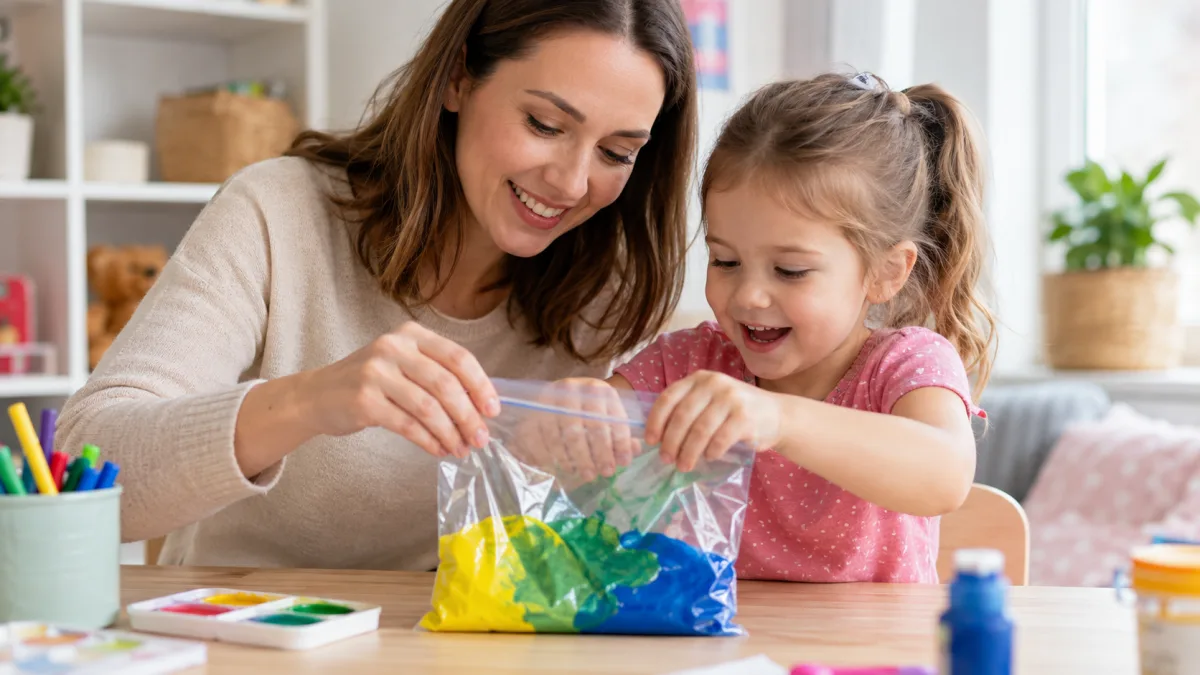
Mixing Colours Without the Mess
Two blobs of paint sealed in a freezer bag. They squash it, the colour changes, and nothing gets on anything.
-
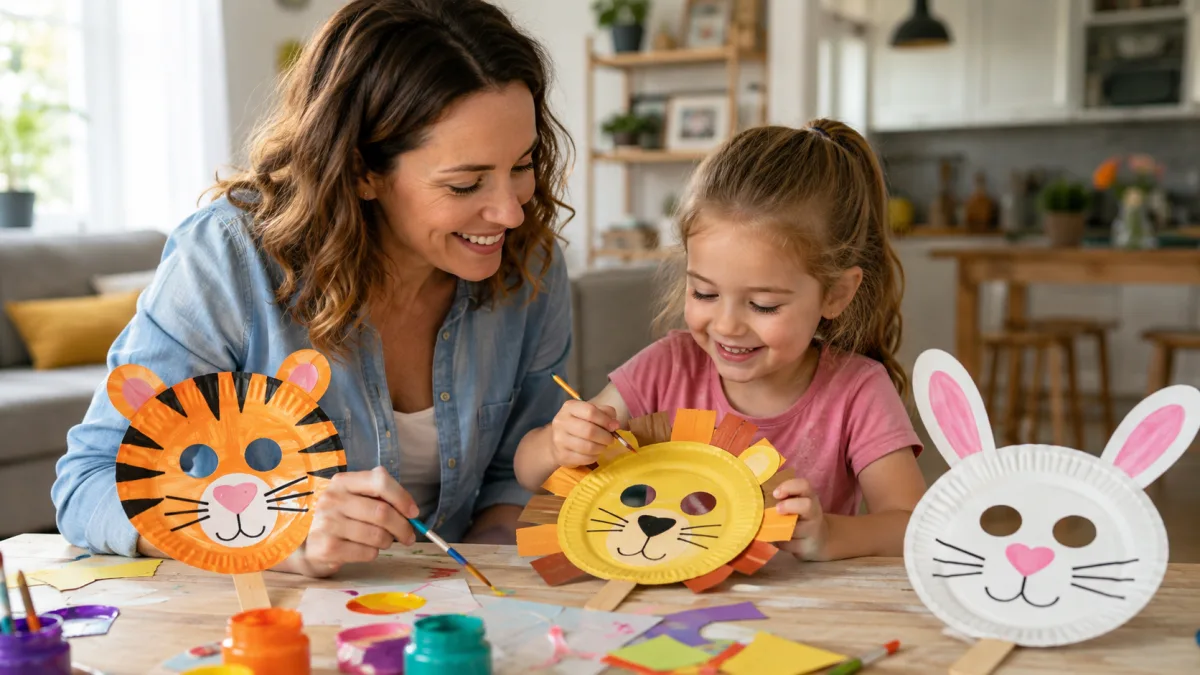
Paper Plate Animal Masks
One paper plate, some paint and a lolly stick. Twenty minutes of making and an afternoon of being a tiger.
-
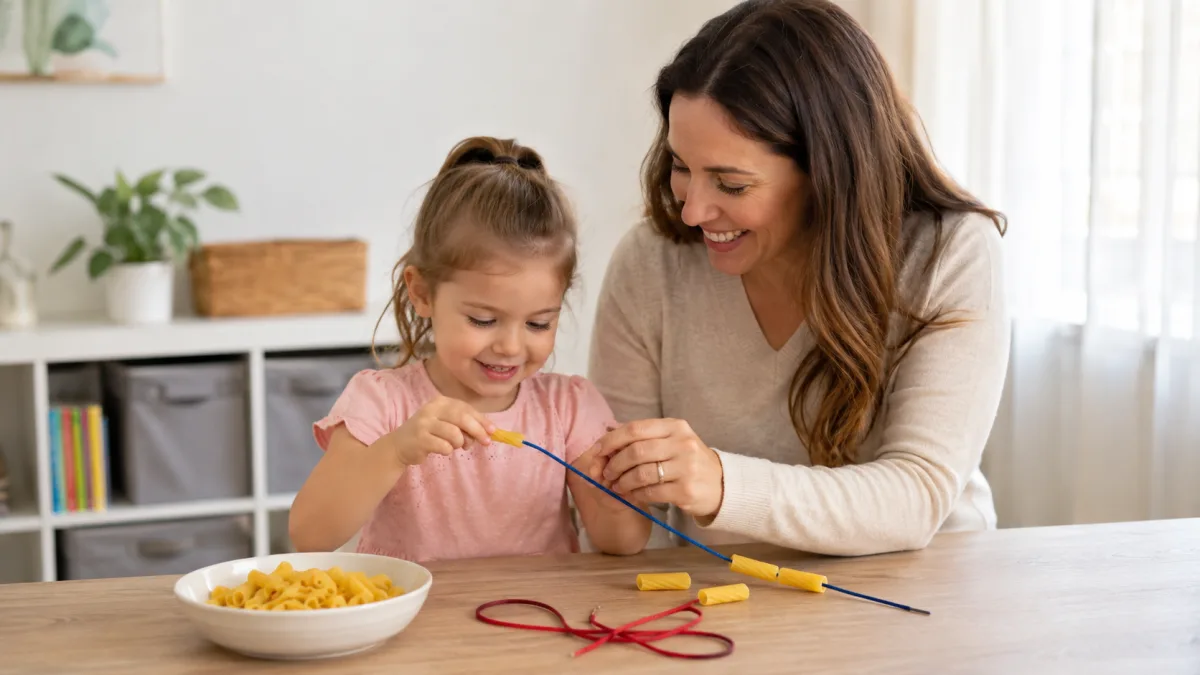
Threading Pasta Necklaces
Dry pasta tubes and a shoelace. Quiet, absorbing, and one of the best things you can do for a small hand.
-
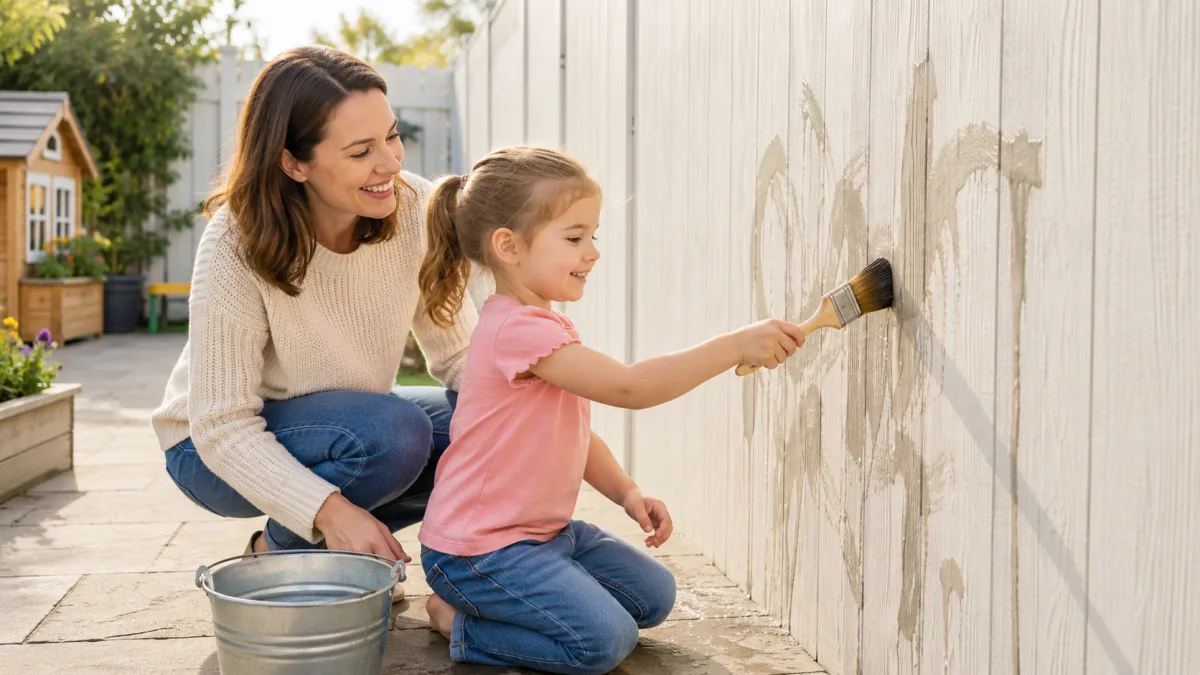
Painting With Water
A bucket of water and a big brush. They paint the wall, the fence and the path, it dries, and they do it again. No mess at all.
-
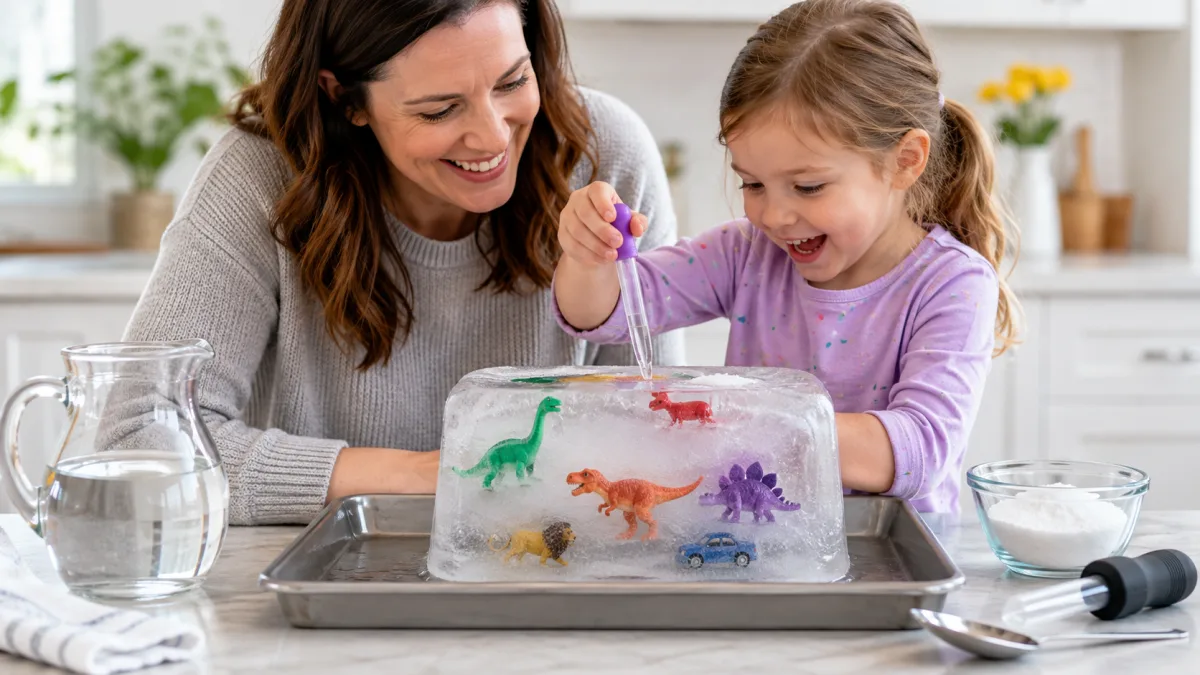
Rescue the Frozen Toys
Freeze small toys in a tub of water overnight, then hand over warm water, salt and a spoon. It buys a genuinely quiet hour.
Browse activities by age
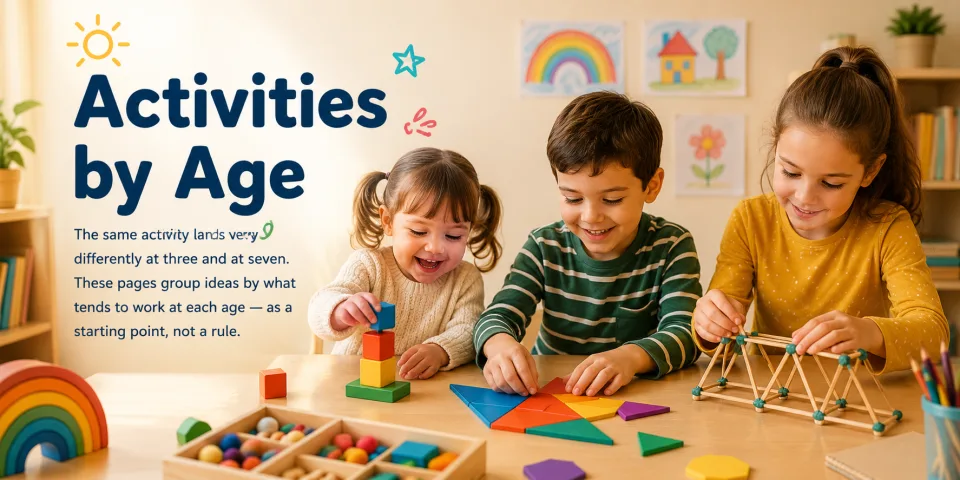
Ages here are a guide to attention span, hand strength and how much help a child is likely to need — not a judgement about what your child should be doing. You know them; if an activity for five-year-olds suits your three-year-old, use it.
Most activities also include a note on making them simpler for a younger child or more demanding for an older one, which is what makes them work for siblings playing together.
What you'll find here
-
Toddlers, 2–3
Short, repeatable and very hands-on. Pouring, posting, squishing, filling and tipping out again. Expect five focused minutes and be delighted by ten.
-
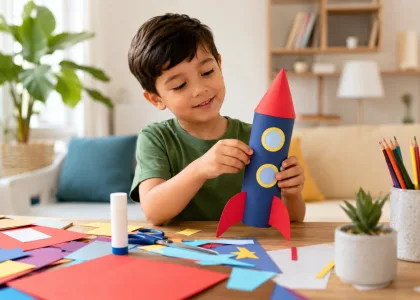
Preschool, 4–5
Longer projects with a beginning, a middle and something to show at the end. This is the age where an activity can hold up for half an hour.
-
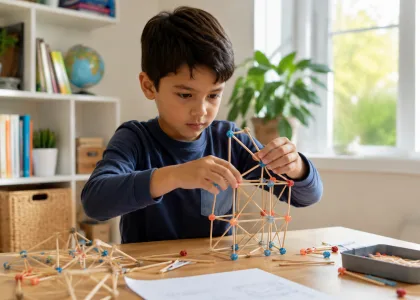
Early school, 6–8
Ideas with a challenge in them — building something that has to work, a puzzle with a right answer, a game with a rule they can argue about.
Every activity page repeats its age range at the top, so you never have to remember which section you came in through.