


Parent Corner
The practical side of all this — setting up so play happens on its own, surviving the hard bits, and letting yourself off the hook.
Activities
-
2 Month Old | What to Expect & Do
At 2 months old, your baby is waking up to the world: tracking faces, cooing experimentally, and rewarding you with the first real social smiles. This guide covers what's typical at two months, gentle play ideas that support development, realistic sleep and feeding rhythms — and
-
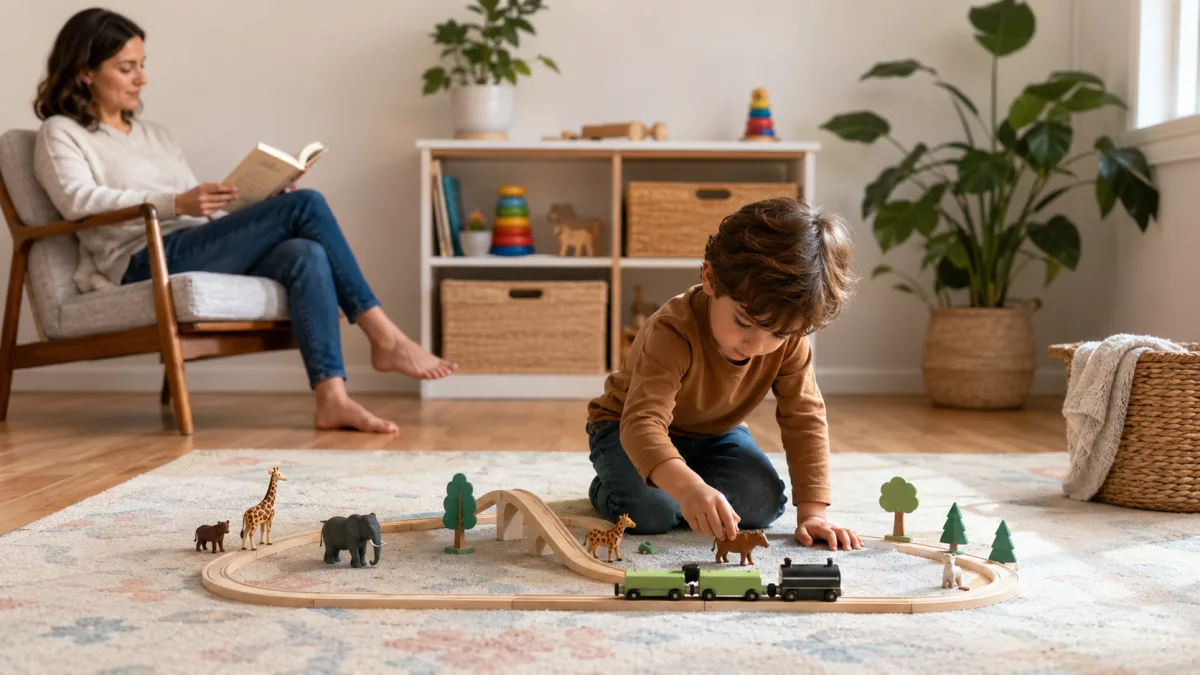
Teaching a Child to Play Alone
It is built, not waited for. Stay in the room, say less, and leave for two minutes before you leave for twenty.
-
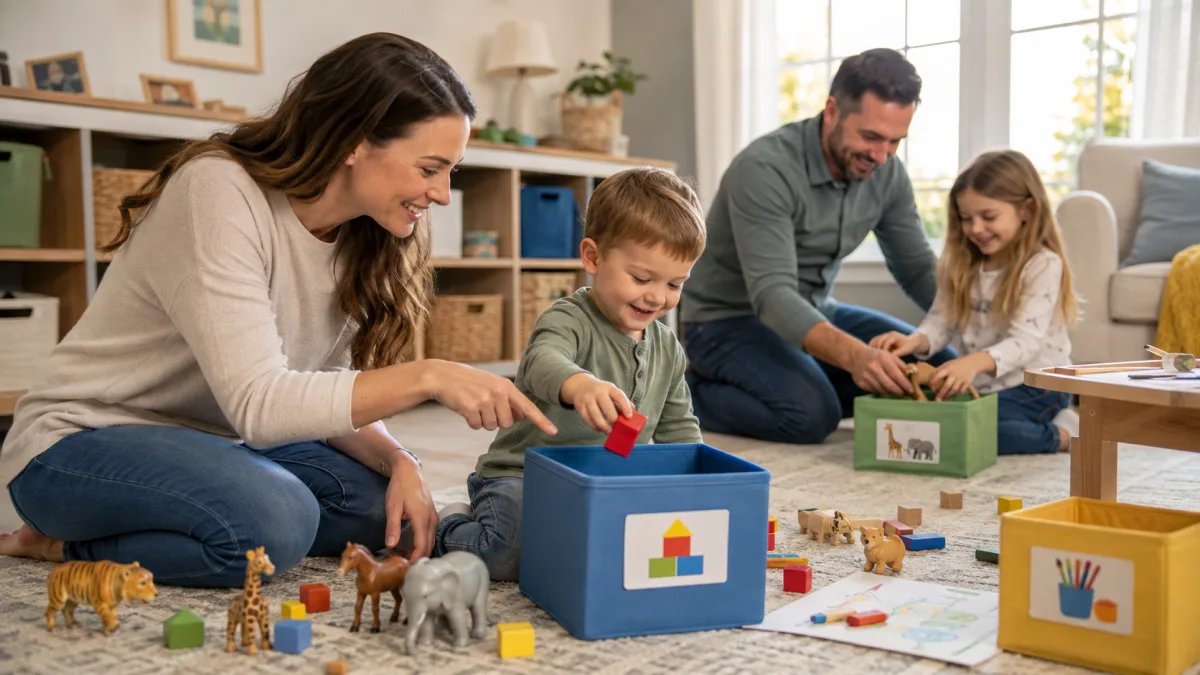
Tidying Up Without the Battle
"Tidy up" is an impossible instruction. "Put the blocks in the blue box" is a job a three-year-old can finish.
-
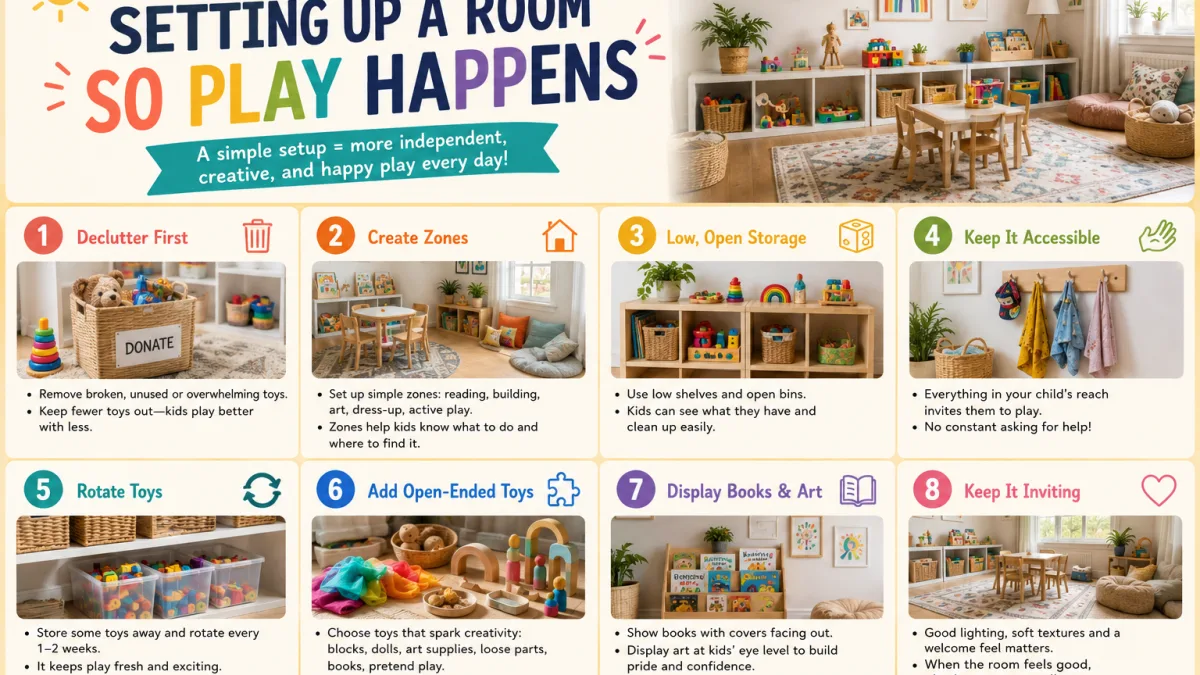
Setting Up a Room So Play Happens Without You
The highest-leverage thing on this whole site. Fewer things out, at their height, in containers they can open.
-
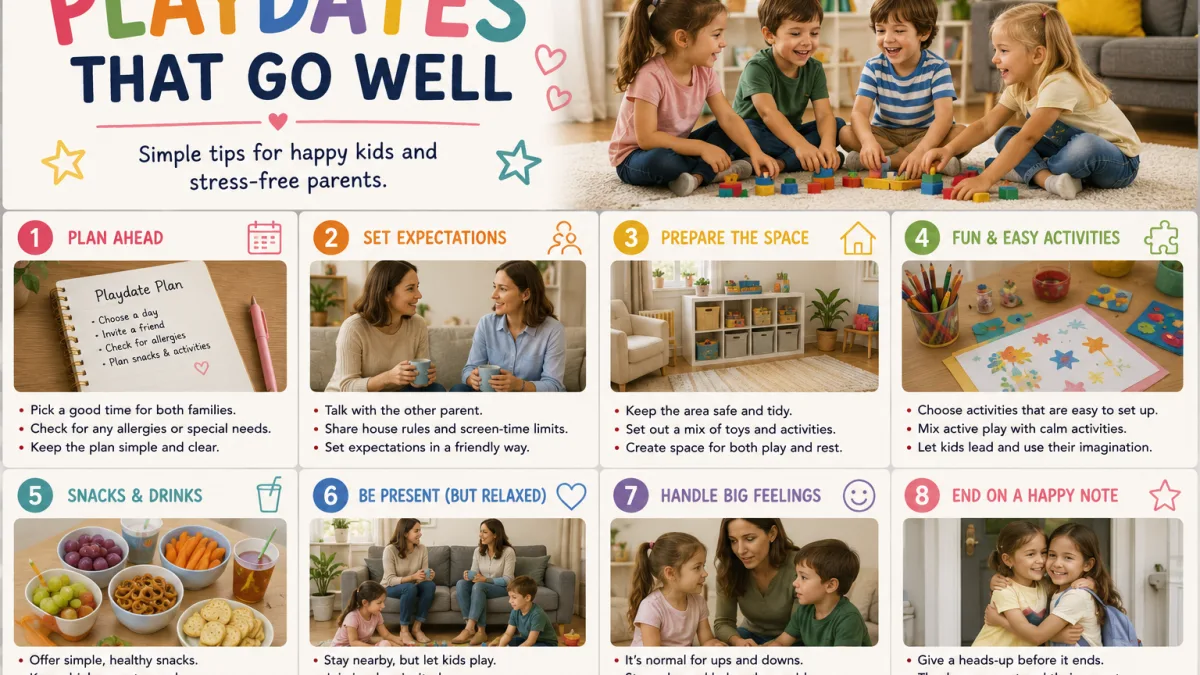
Making a Playdate Go Well
Put the precious toys away first, have one activity that needs two people, and finish while it is still going well.
-
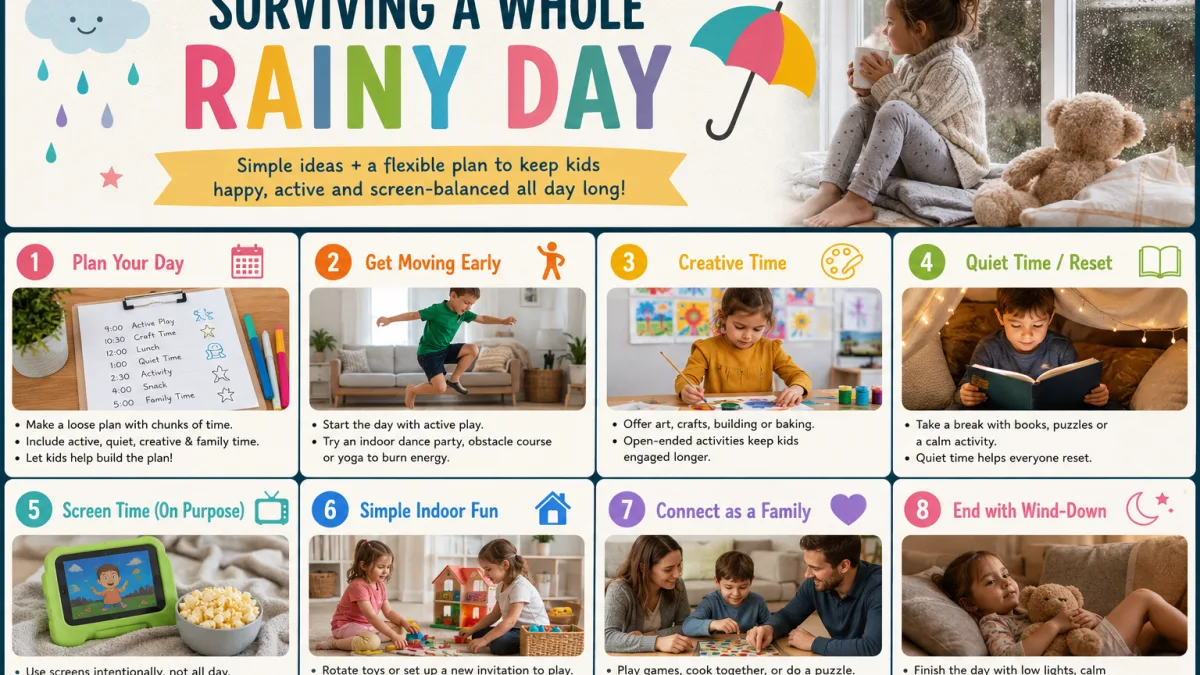
The Shape of a Rainy Day
A whole day indoors needs a shape, not a list. Energy first, then absorbing, then quiet, then food — repeated.
-
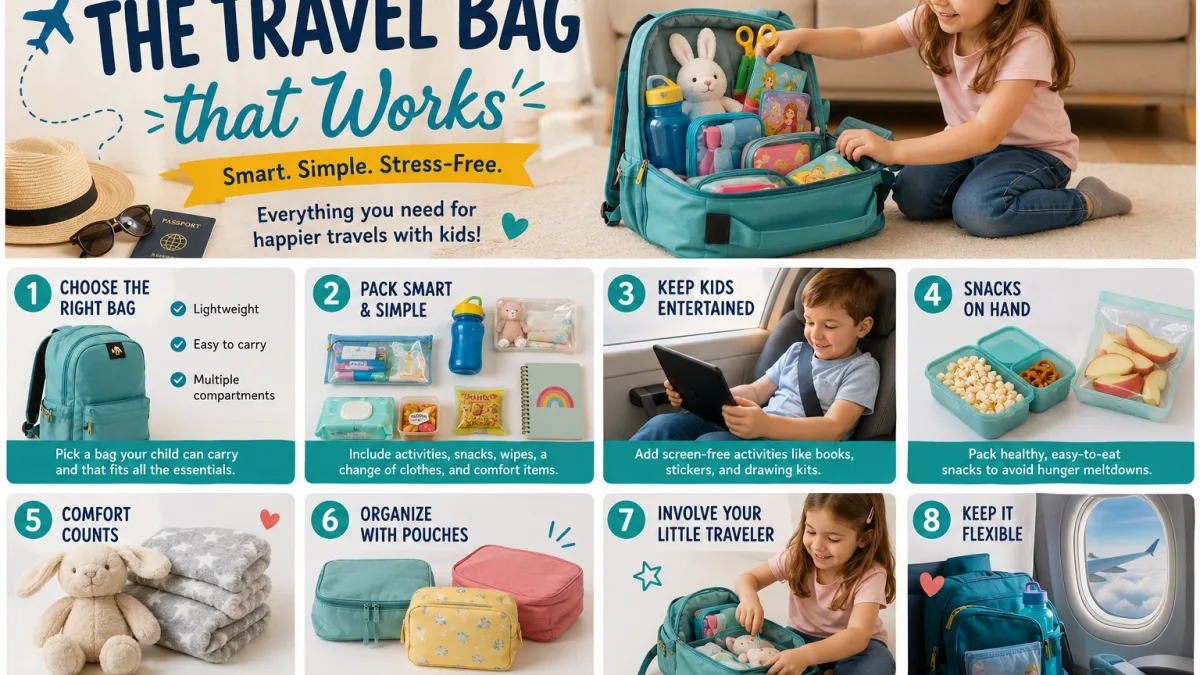
What to Actually Put in the Travel Bag
Several small things, handed out one at a time. That single rule matters more than anything you put in it.
-
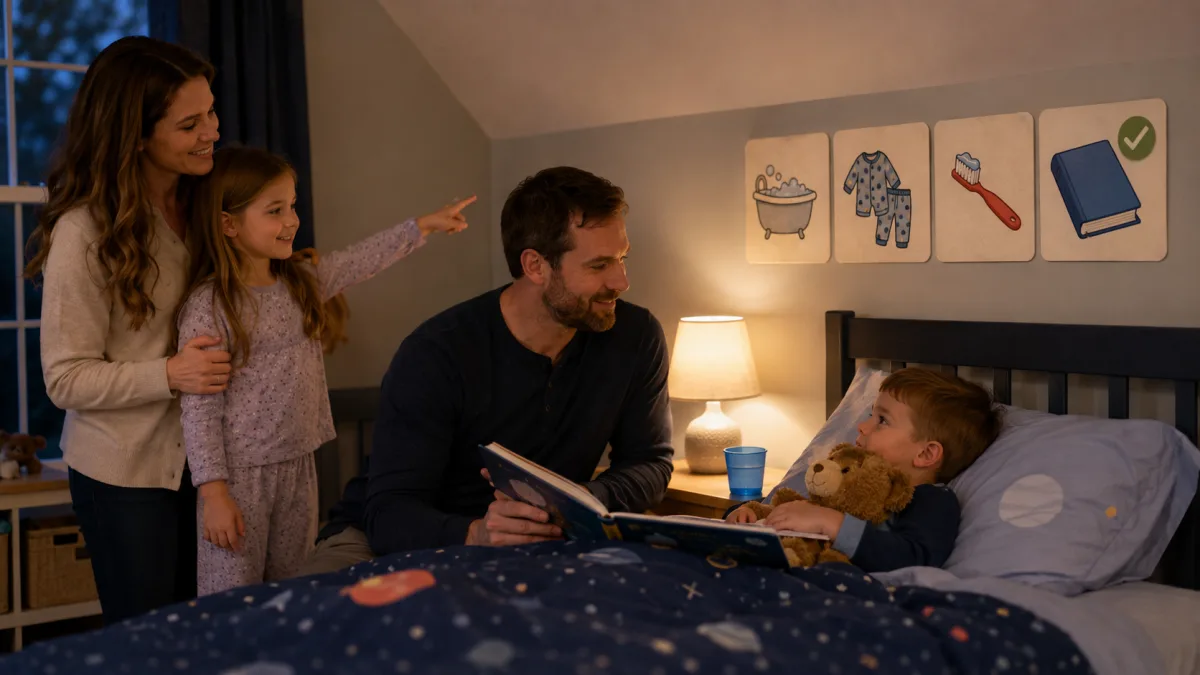
Making Bedtime Shorter
Most bedtime trouble is a routine problem, not a sleep problem. Fewer decisions, same order, clear last thing.
-
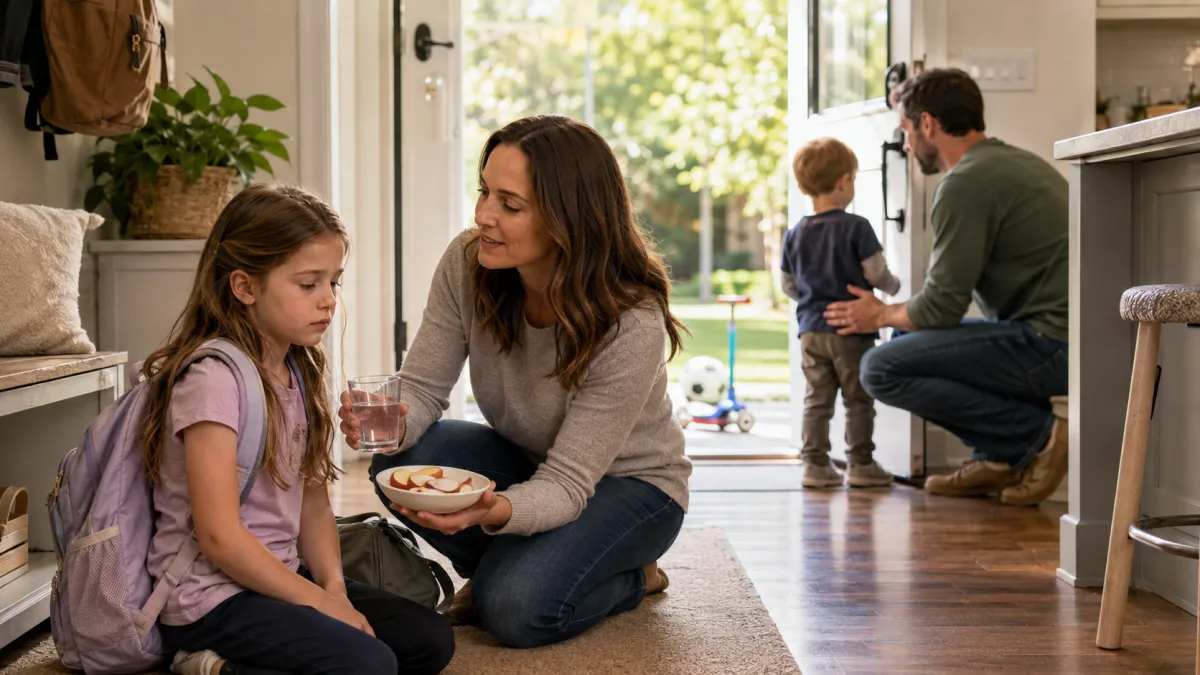
The Hour After School Is Always the Hardest
A child who held it together all day falls apart the moment they see you. Food first, questions much later.
-
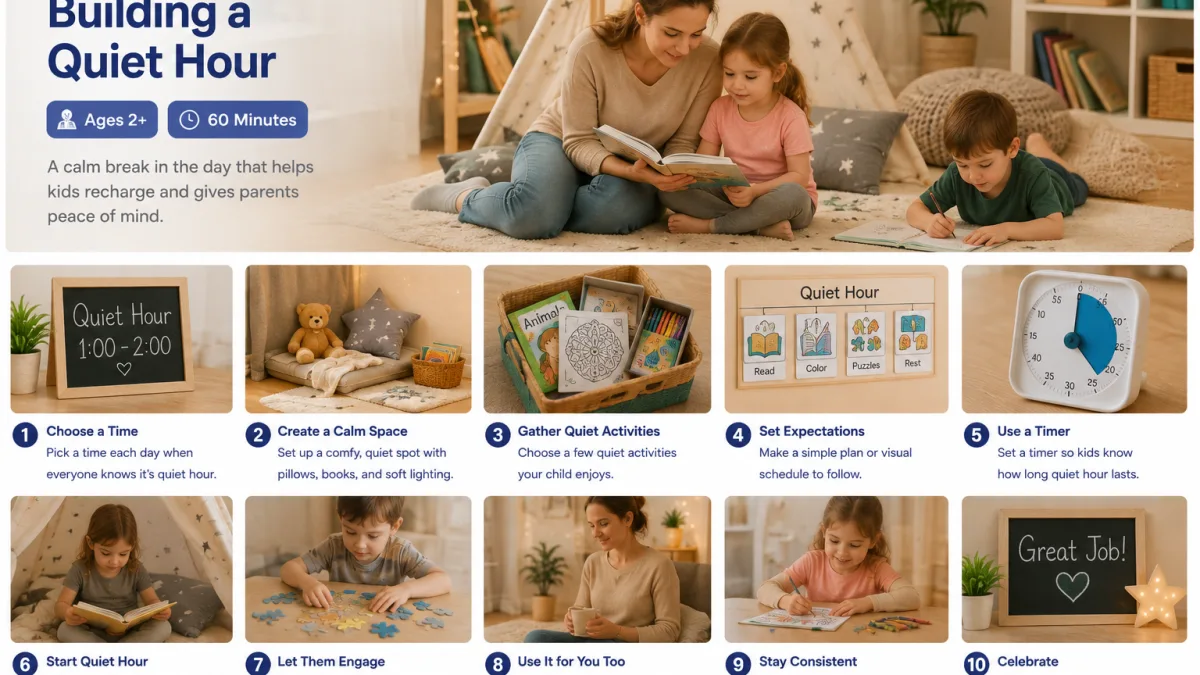
Building a Quiet Hour After the Naps Stop
Quiet time is learnable. Start at ten minutes, same time every day, with a small box of things that only appear then.
-
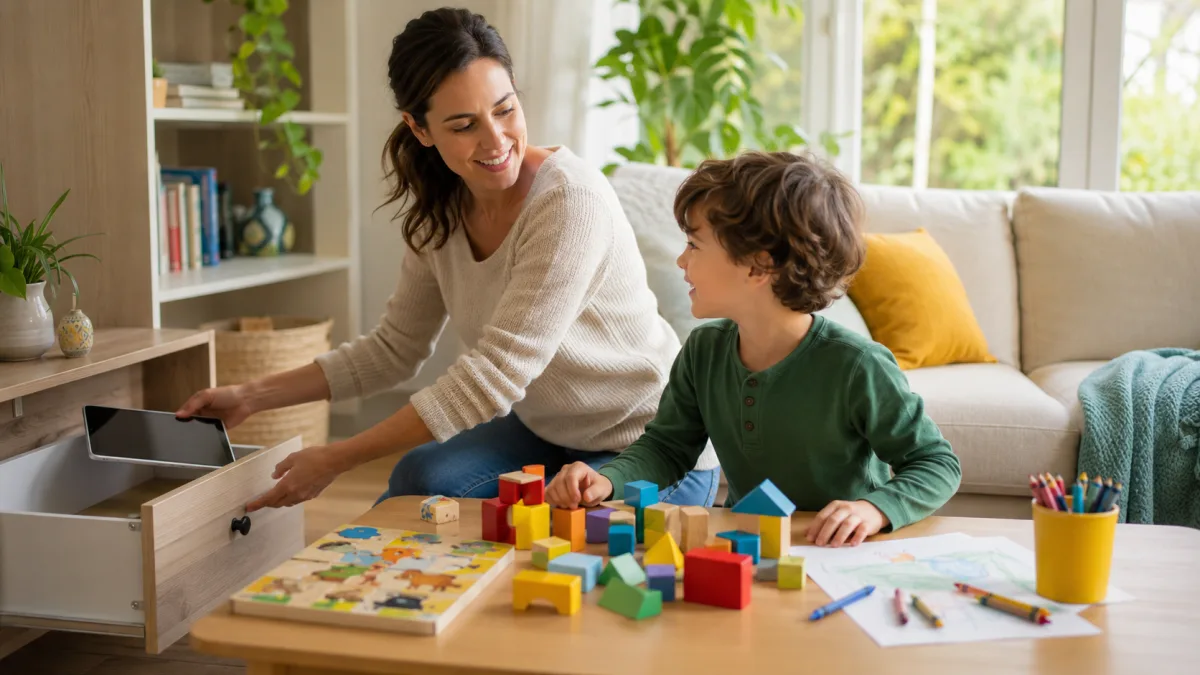
Less Screen Time, Without the Argument
What actually works is not willpower. It is having something else already out on the table, and the tablet not in the room.
-
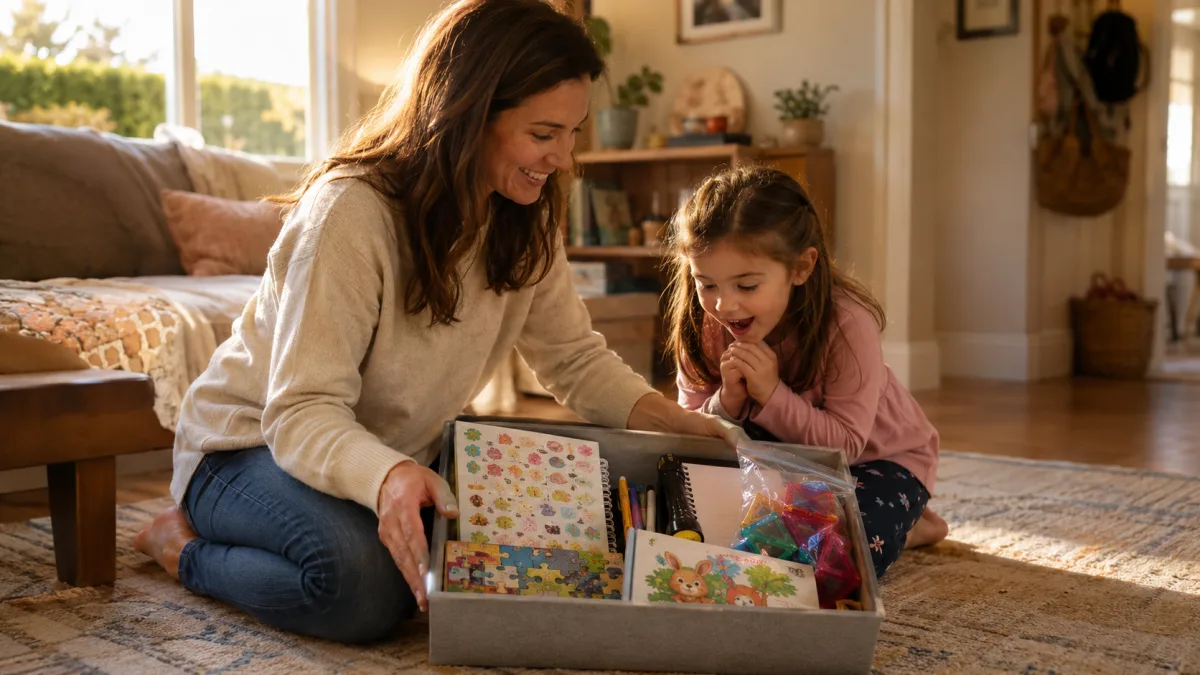
A Quiet Box for the Difficult Hour
One box, five or six calm things, brought out only when everything is falling apart. It works because it is rare.
-
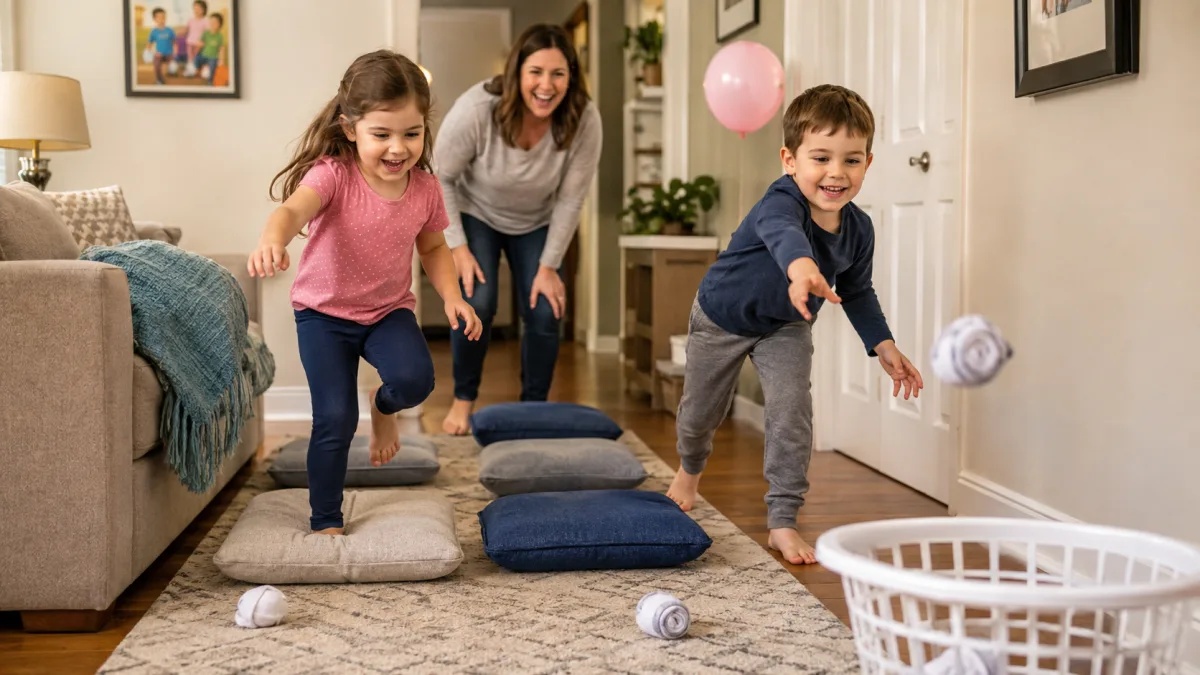
Getting the Energy Out in a Small Room
Four ways to wear a child out indoors without breaking anything or annoying the neighbours downstairs.
-
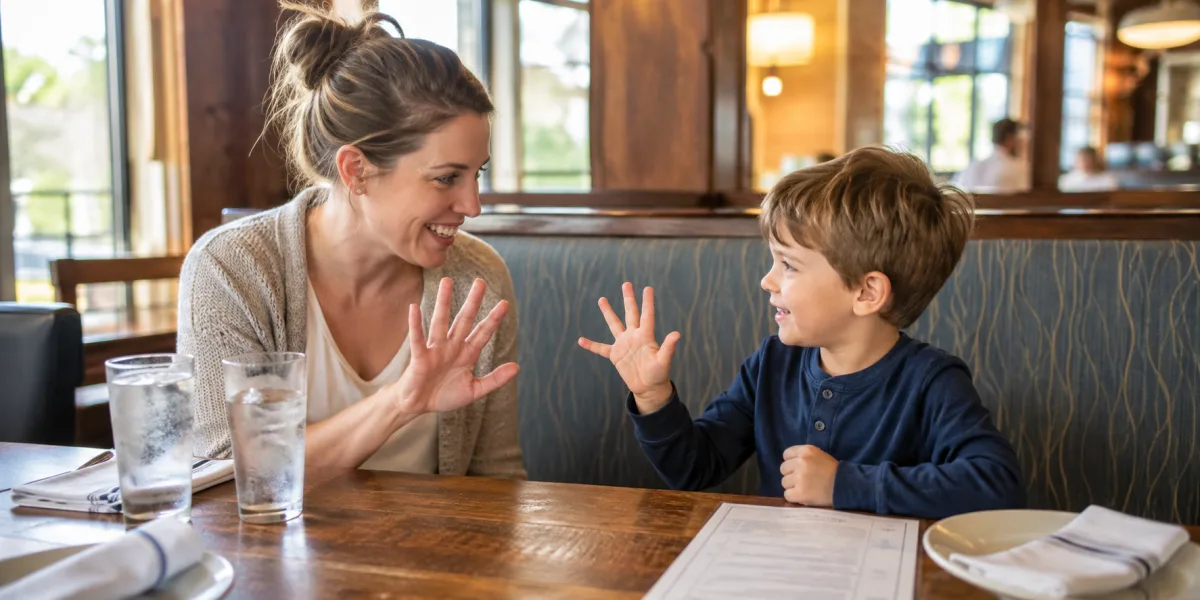
Five Games for the Wait Before the Food
No bag, no crayons, nothing to drop on the floor. Five games that need only the two of you and a table.
-
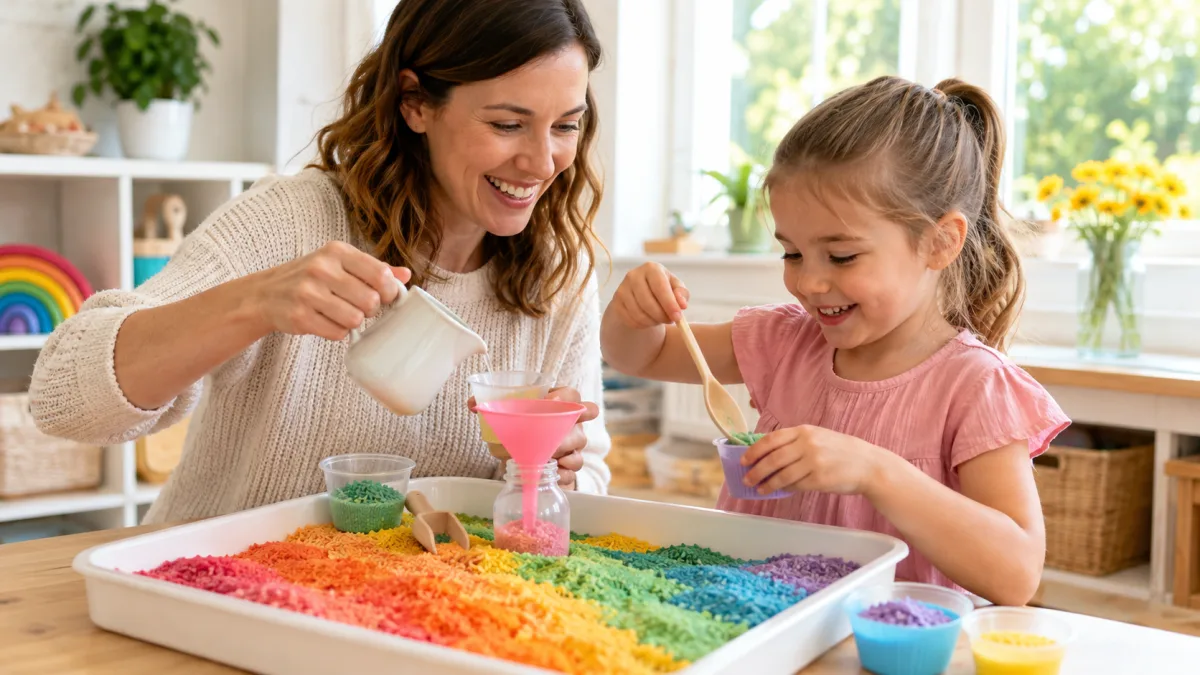
Rainbow Rice Sensory Tray
Dye a bag of rice in five colours, tip it into a tray, and hand over some cups and spoons. Ten minutes of setting up buys an hour of quiet scooping.
Browse parent corner
Most of what makes play go well happens before the play starts: what is within reach, how much is out at once, and whether the child can get it and put it away without asking.
This section is about that — the small, unglamorous changes that mean a child plays for twenty minutes instead of asking you what to do every ninety seconds.
What you'll find here
-
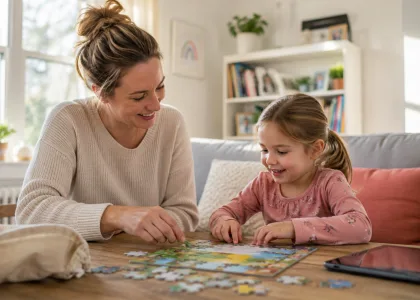
Setting up for independent play
Fewer things out, at their height, in containers they can open. The single change that makes the biggest difference.
-
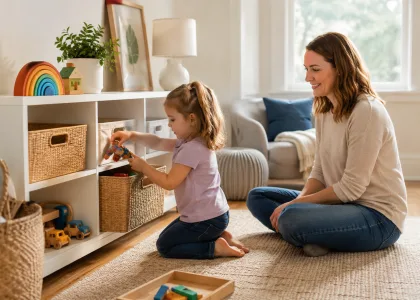
Screen-free without the guilt
Less screen is a goal, not a moral test. What actually helps is having something else ready — not feeling bad about the tablet.
-
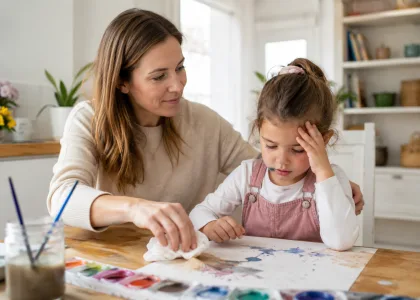
When it goes wrong
The activity is refused, the paint goes everywhere, nobody is having fun. What to do about it, and when to simply stop.
Nothing here is developmental, medical or behavioural advice. If you have a concern about your child, your health visitor, GP or paediatrician is the right person to ask.