


4-Year-Olds
Activities for 4-year-olds.
Four is where activities can genuinely hold up for half an hour. Children this age will plan what they are making, tell you about it at length, and be extremely invested in the outcome.
Rules start to be interesting rather than an obstruction, so simple games with turns begin to work — as does losing them, badly, for a while.
Letters and numbers usually turn up here through play rather than instruction. Following that interest works far better than starting it.
Activities
-
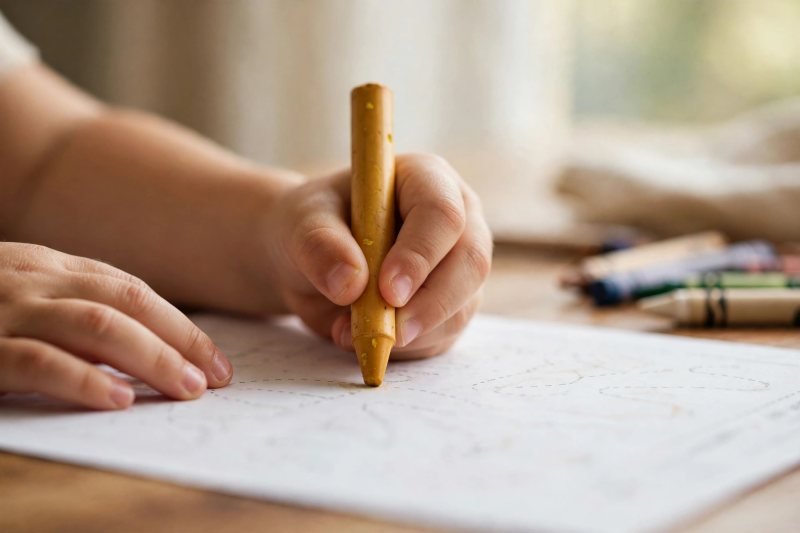
Letter Tracing Worksheets for Pre-K: Uppercase and Lowercase A–Z
These letter tracing worksheets give pre-K children clear uppercase and lowercase A–Z practice. Follow the right formation order, keep sessions short, and turn tracing into playful learning with rainbow writing, dot markers and playdough.
-
Homeschool Preschool Curriculum: The 10 Best Options for 2026 (Reviewed by a Parent)
A parent's honest review of 10 homeschool preschool curriculum options for 2026 — what each programme includes, who it suits best, and how to choose without spending a fortune.
-

Phonics Activities for Preschoolers: 25 Playful Ways to Learn Sounds
Twenty-five playful phonics activities for preschoolers aged 4–5 that build letter-sound skills through rhyme games, sound hunts, blending practice and simple word building — all hands-on, all joyful.
-
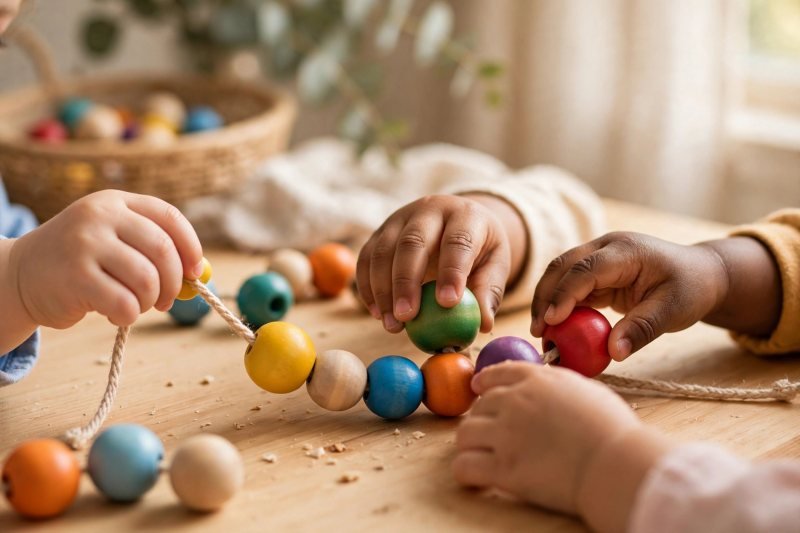
Fine Motor Activities for Preschoolers: 20+ Play-Based Ideas
Looking for fine motor activities for preschoolers that genuinely build writing-ready hands? These 21 play-based ideas — cutting, threading, playdough, tweezers and pincer-grasp games for ages 3–4 — use things you already own and take minutes to set up.
-
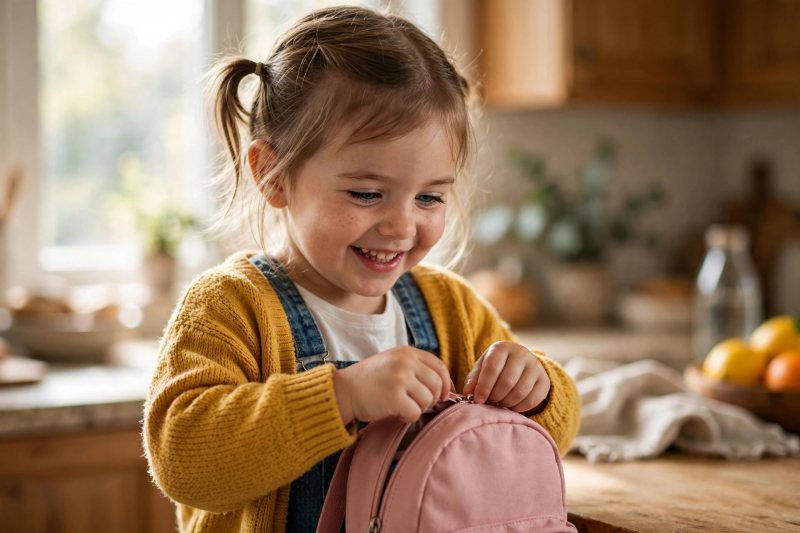
Kindergarten Readiness Checklist: 30 Skills Teachers Actually Look For (Free Printable)
A teacher-realistic kindergarten readiness checklist with 30 practical skills — from buttoning coats to sharing crayons — plus a free printable to track progress together.
-
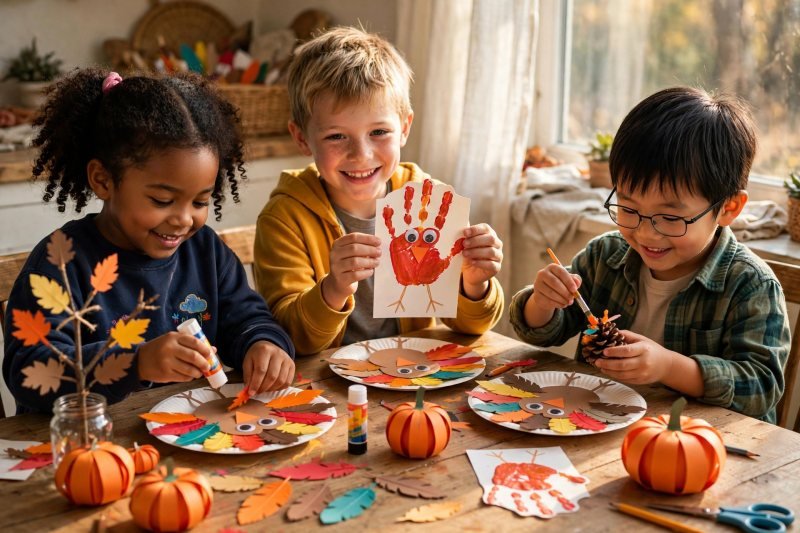
20 Easy Thanksgiving Crafts for Kids (Turkey Approved)
Looking for thanksgiving crafts for kids that go beyond the same old handprint turkey? These 20 easy Thanksgiving crafts use things you already have at home — paper plates, toilet rolls, flour, dried beans — and every idea lists the age, the time, and the mess level up front.
-

Salt Dough Christmas Ornaments
Flour, salt and water become something you hang on the tree every year after.
-
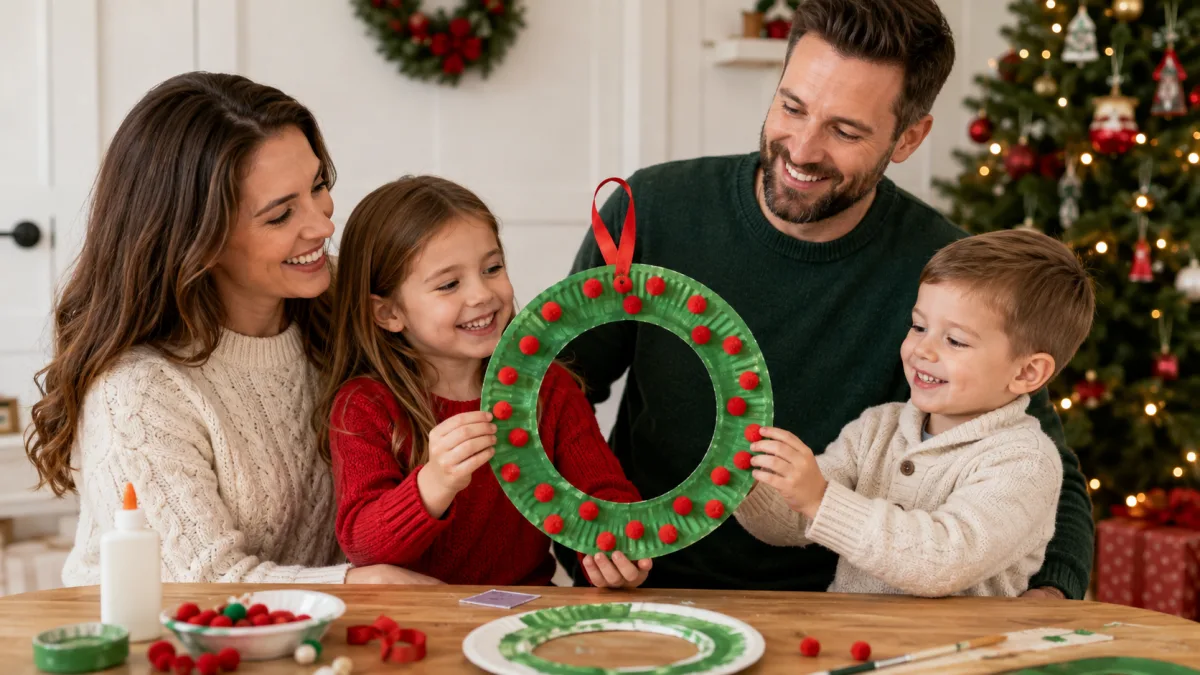
Paper Plate Christmas Wreath
Cut the middle out of a paper plate and you have a wreath that takes any decoration you like.
-

Popsicle Stick Christmas Trees
Three sticks, a triangle, and as much decorating as they have patience for.
-
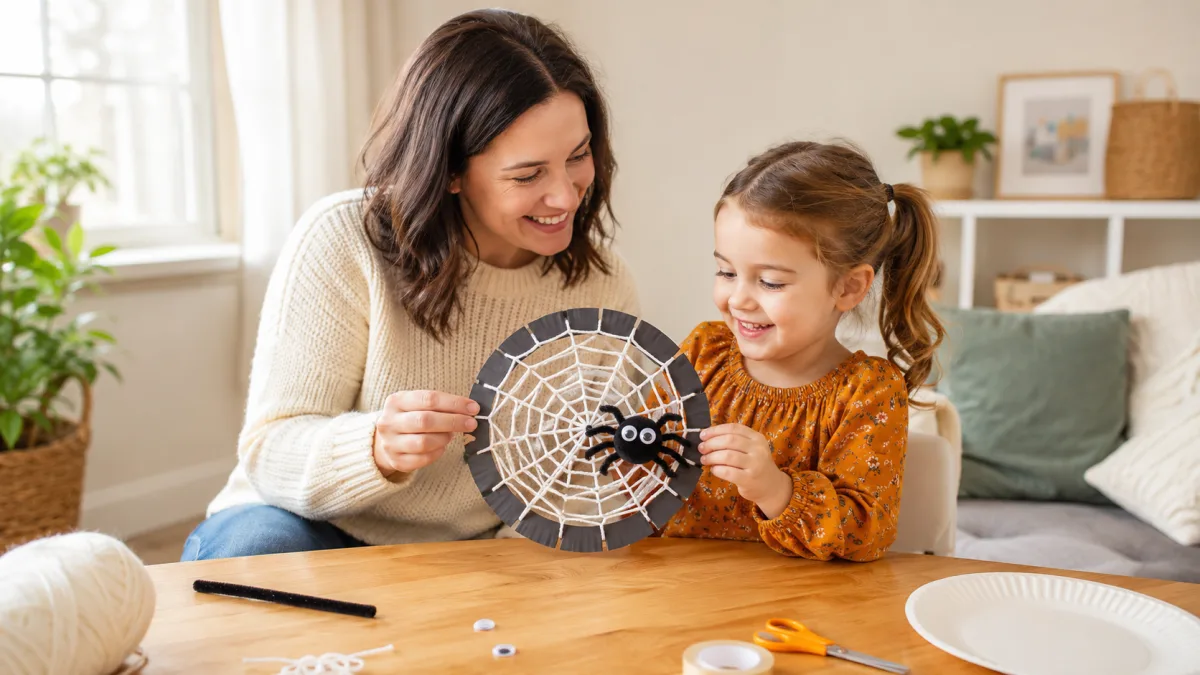
Weave a Spider Web
Snip notches round a paper plate, wind wool across it, and you have a web. Good threading practice hiding inside a Halloween craft.
-
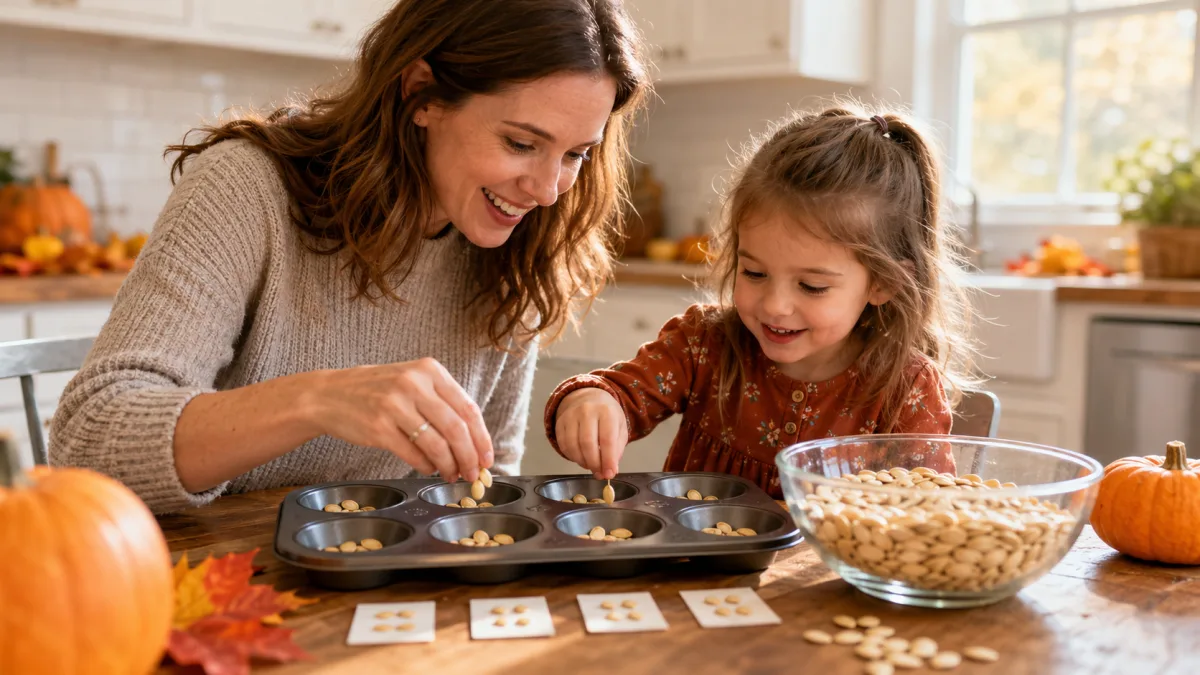
Count the Pumpkin Seeds
Wash and dry the seeds from your pumpkin, then turn them into a counting game that lasts all week.
-
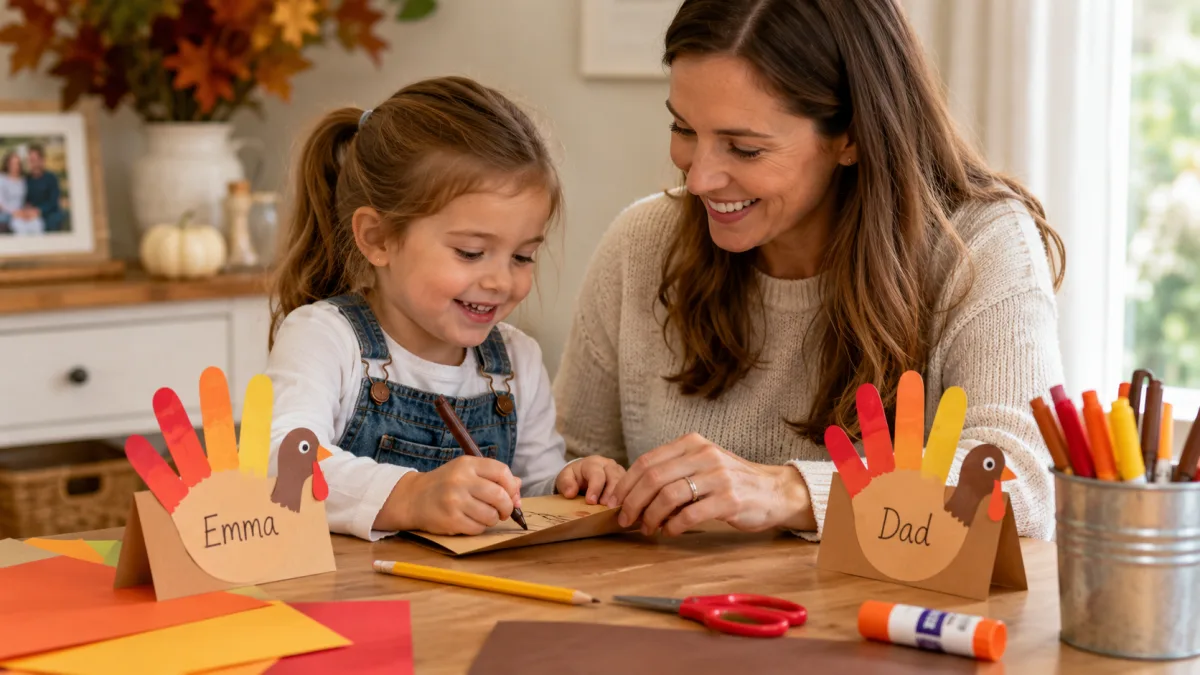
Handprint Turkeys for the Table
Draw round their hand, turn it into a turkey, write a name on it. Everyone gets one at their place.
-
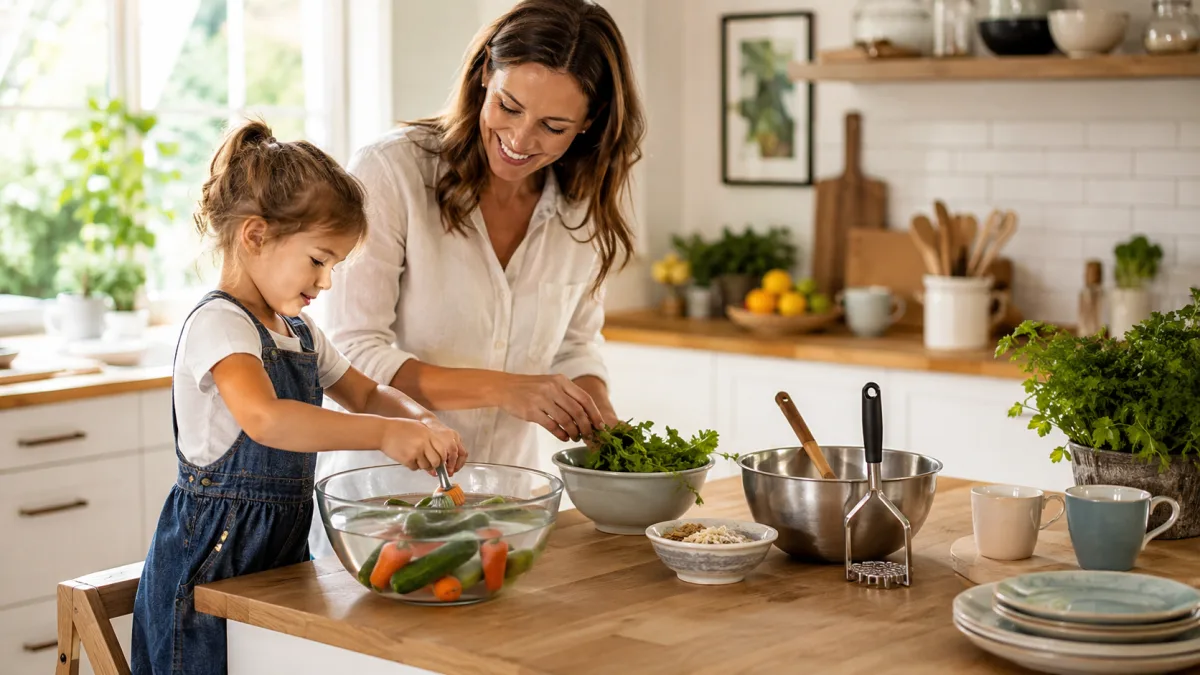
Real Kitchen Jobs a Small Child Can Actually Do
Washing, tearing, stirring and sprinkling. Eight jobs that are genuinely useful on a busy cooking day.
-
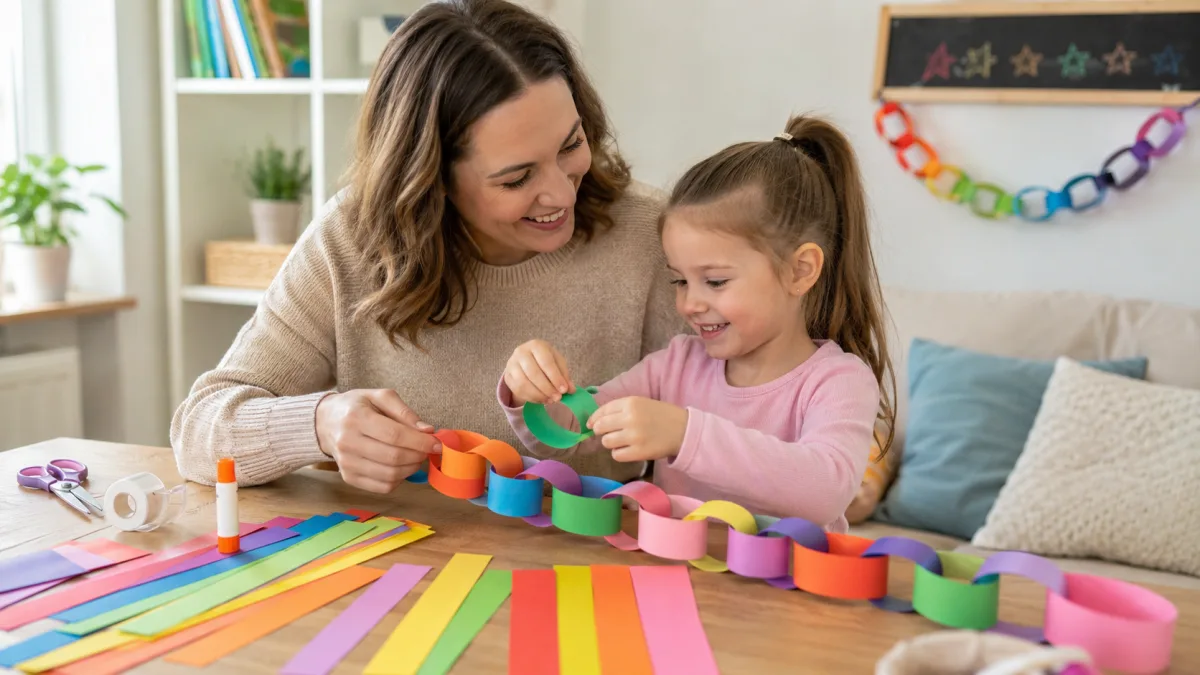
A Countdown Chain
One paper loop per day, torn off each morning. It makes waiting visible, which is what small children need.
-
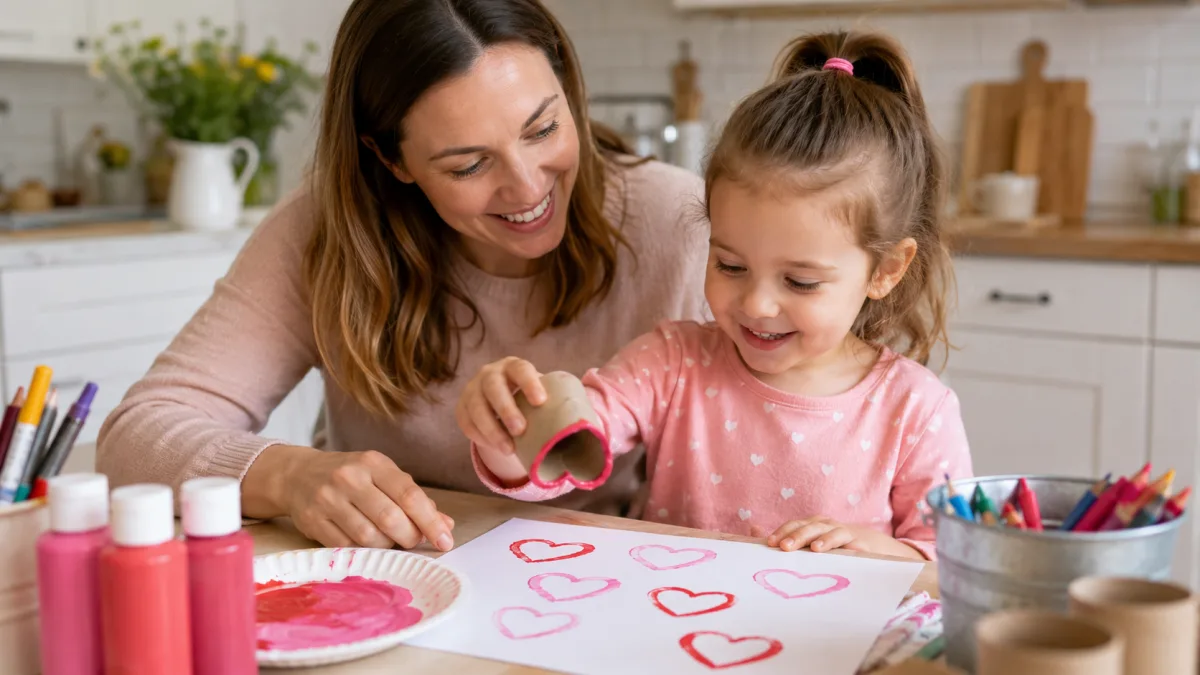
Print Hearts With a Cardboard Tube
Squash a kitchen roll tube into a heart shape and use it as a stamp. One tube makes forty hearts.
-
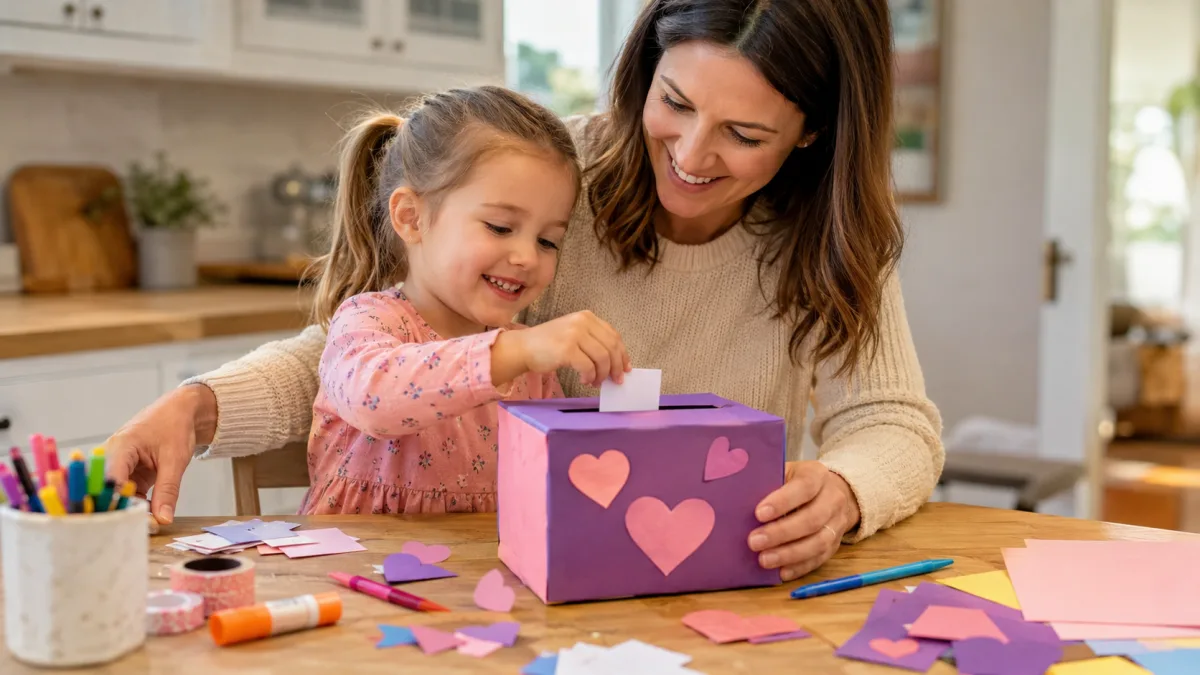
A Post Box for Kind Notes
A cereal box with a slot cut in it. Everyone posts a note about somebody else, and you read them out at dinner.
-
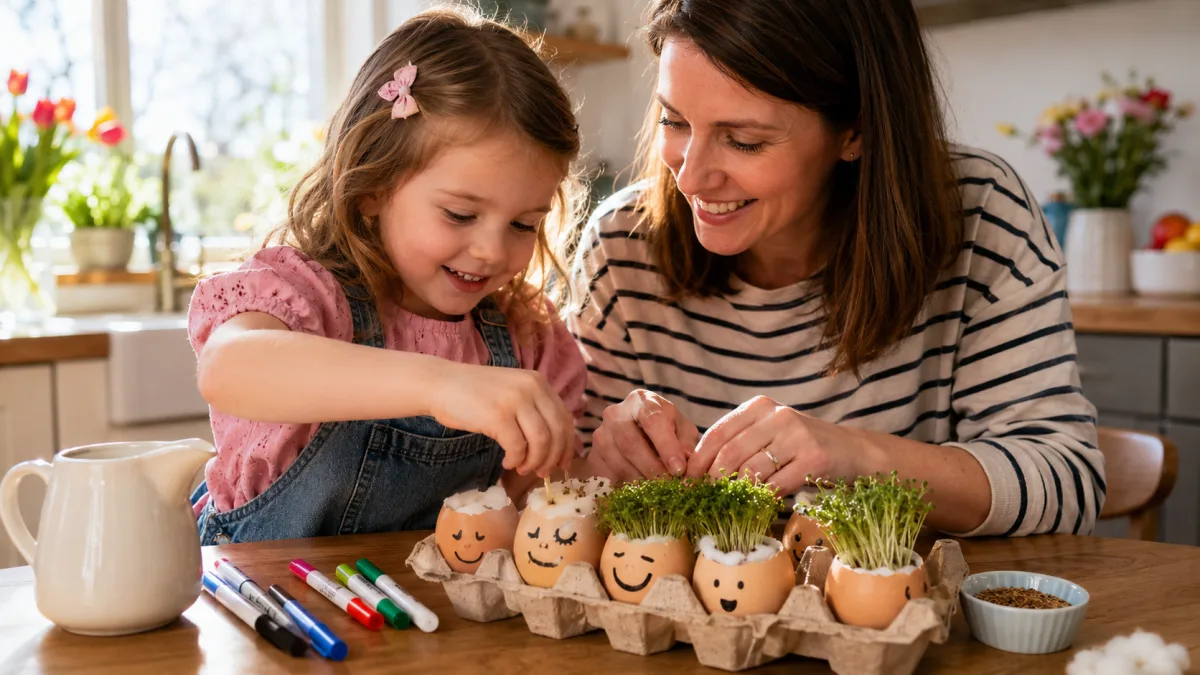
Grow Hair on an Eggshell
Half an eggshell, a face drawn on, cotton wool and cress seeds. In a week it has green hair you can eat.
-
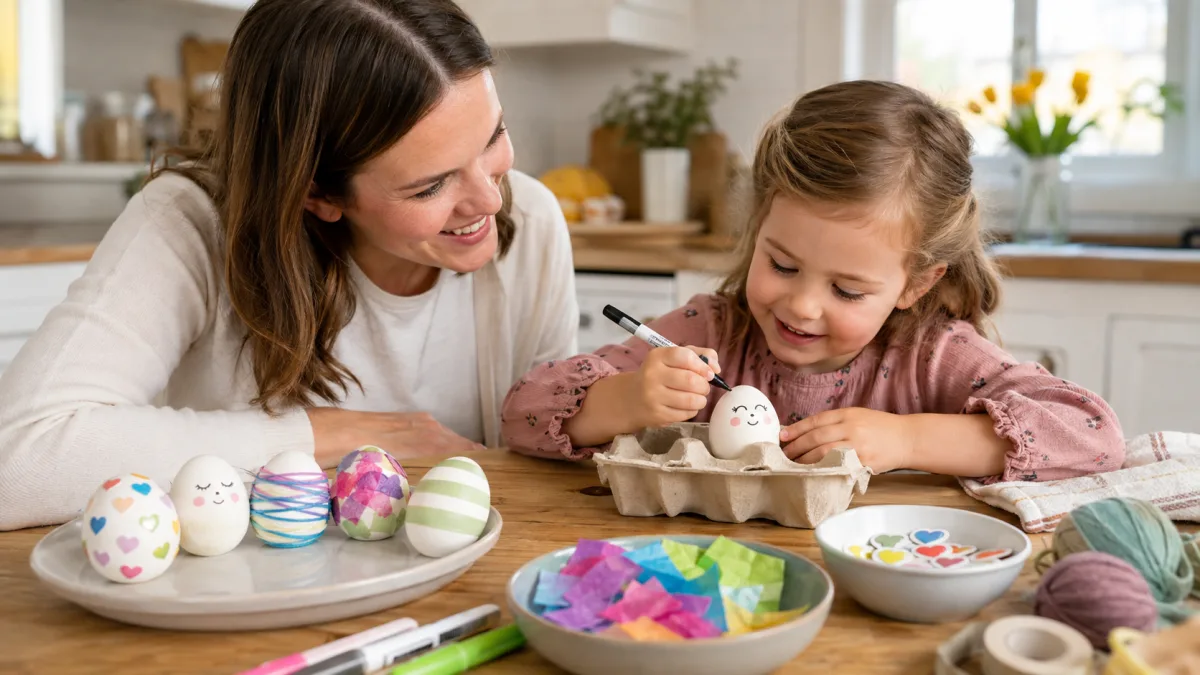
Five Ways to Decorate an Egg With No Dye
Stickers, felt tips, wool, tissue paper and tape. All five work on a hard-boiled egg and none of them stain anything.
-
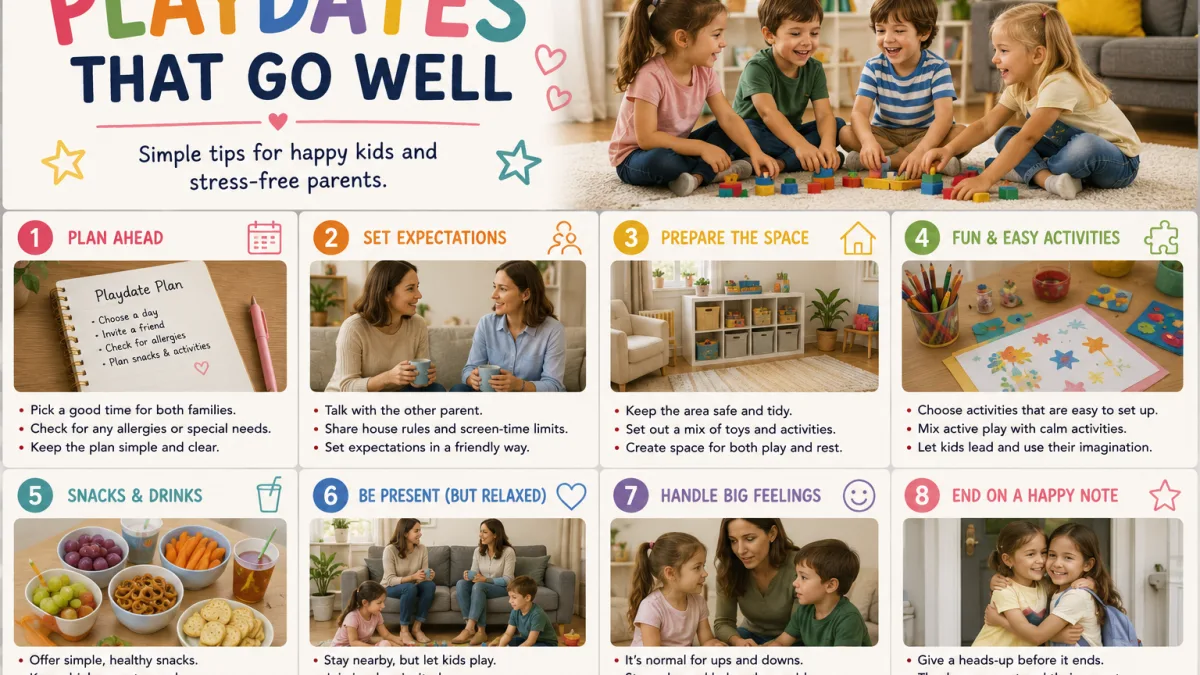
Making a Playdate Go Well
Put the precious toys away first, have one activity that needs two people, and finish while it is still going well.
-
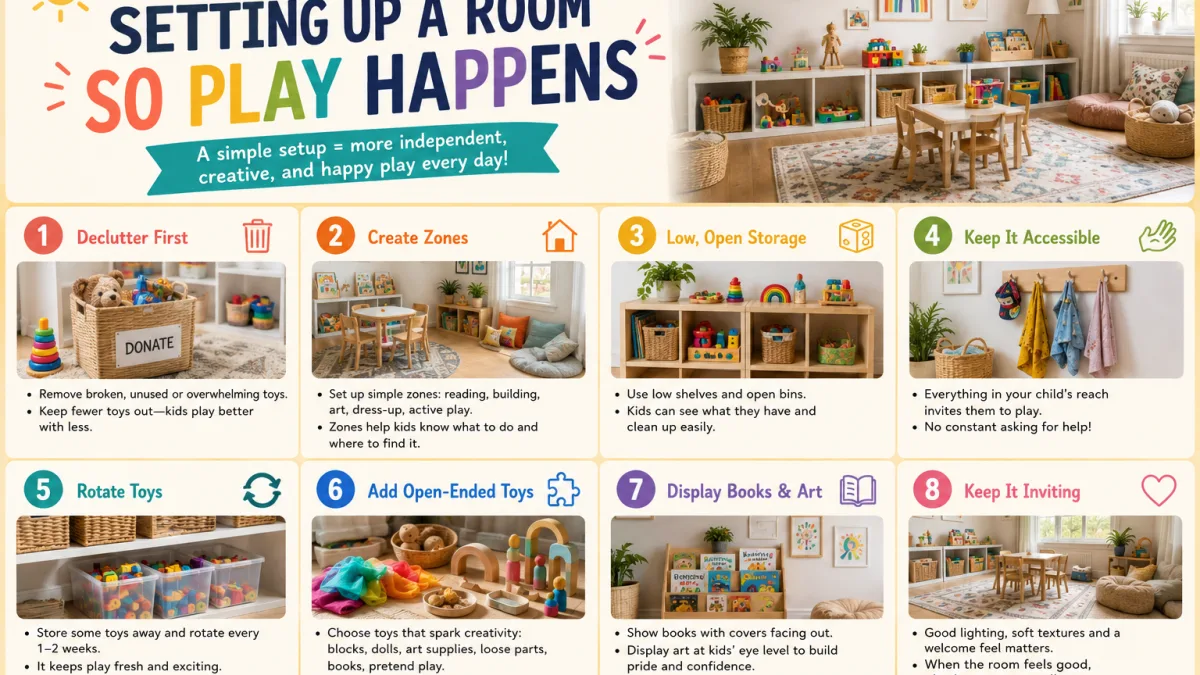
Setting Up a Room So Play Happens Without You
The highest-leverage thing on this whole site. Fewer things out, at their height, in containers they can open.
-
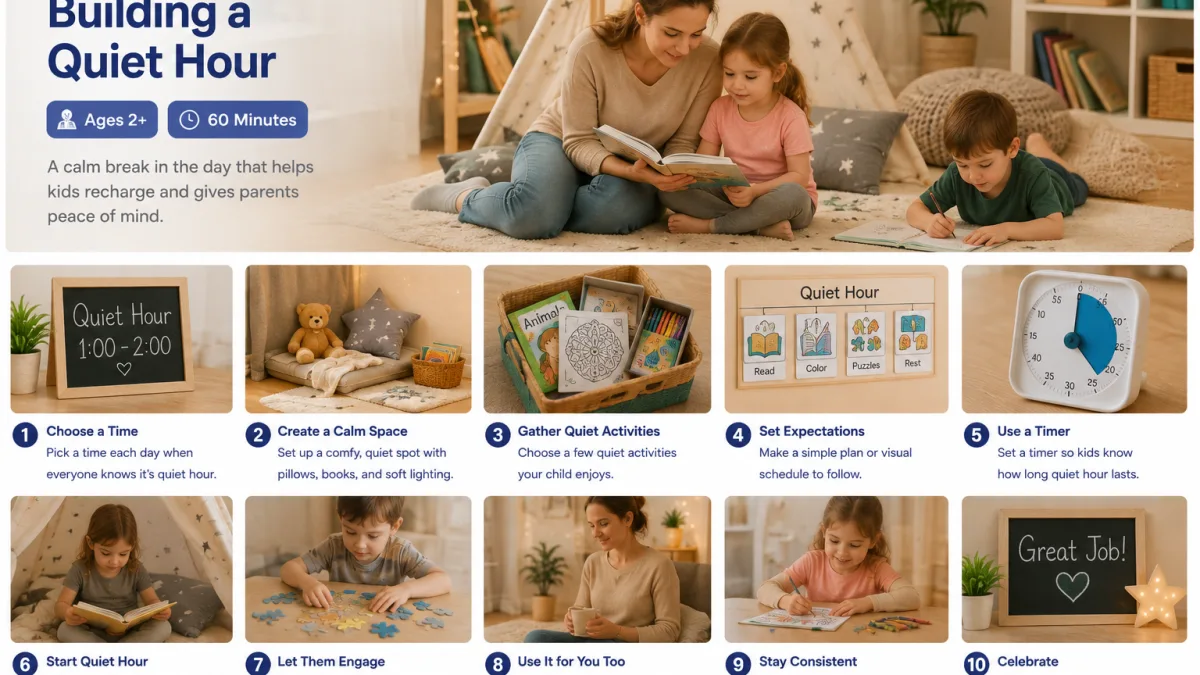
Building a Quiet Hour After the Naps Stop
Quiet time is learnable. Start at ten minutes, same time every day, with a small box of things that only appear then.
-
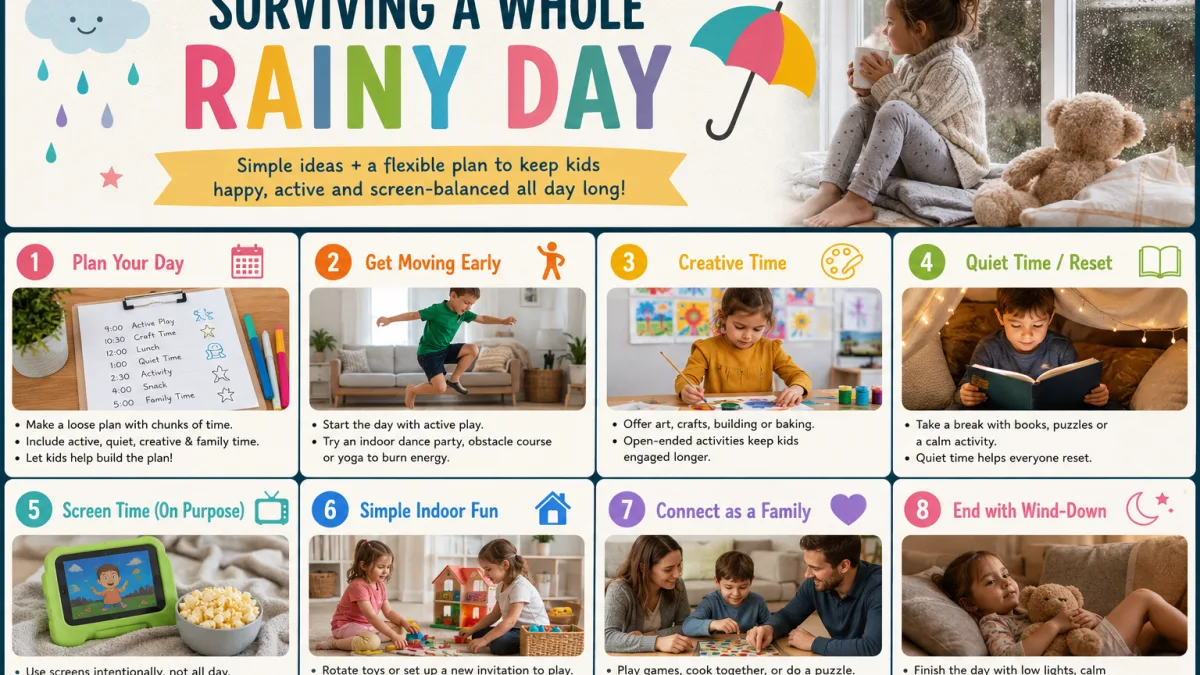
The Shape of a Rainy Day
A whole day indoors needs a shape, not a list. Energy first, then absorbing, then quiet, then food — repeated.
-
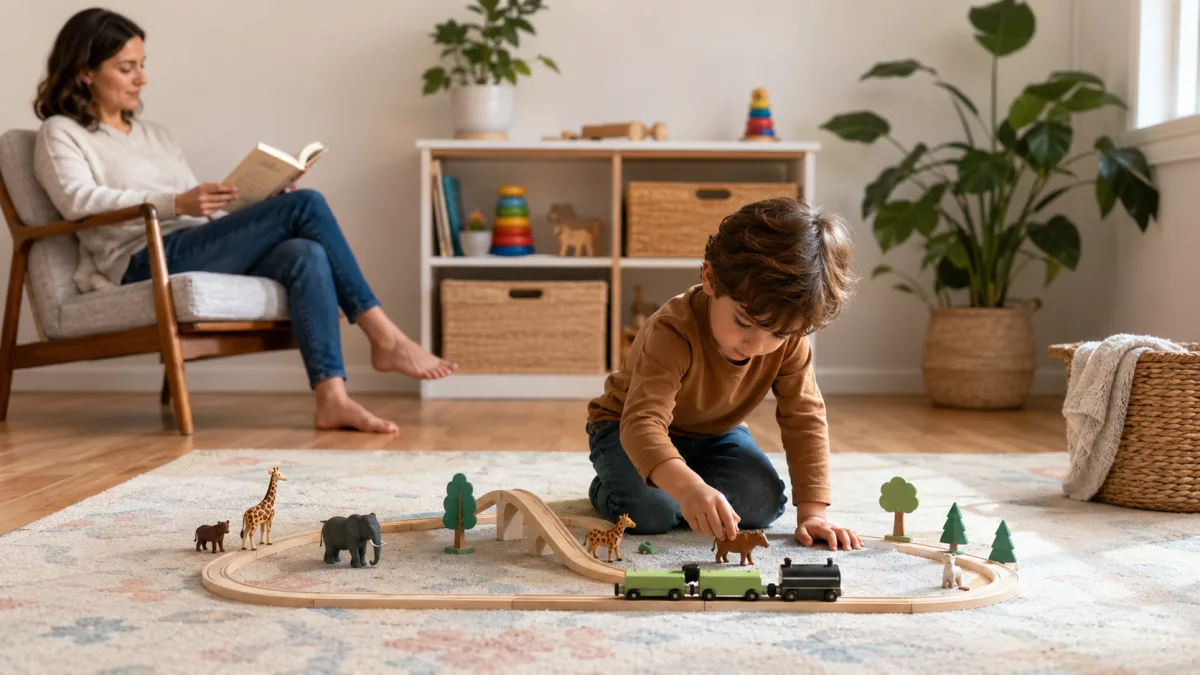
Teaching a Child to Play Alone
It is built, not waited for. Stay in the room, say less, and leave for two minutes before you leave for twenty.
-

The Sock That Went Missing
A five-minute story about one striped sock, a washing machine, and where socks actually go.


