


Science
Learn Science through play.
Kitchen science needs a question, some materials, and a willingness not to know the answer. Will it sink or float, will it dissolve, what happens if we leave it overnight, which one melts first.
Everything here uses ordinary things — water, ice, salt, oil, vinegar, bicarbonate of soda, food colouring, paper towel. Nothing needs a kit, and the ones involving anything to be careful with say so plainly at the top.
The most valuable habit is guessing before you start. "What do you think will happen?" turns a demonstration into an experiment, and it costs nothing.
Activities
-
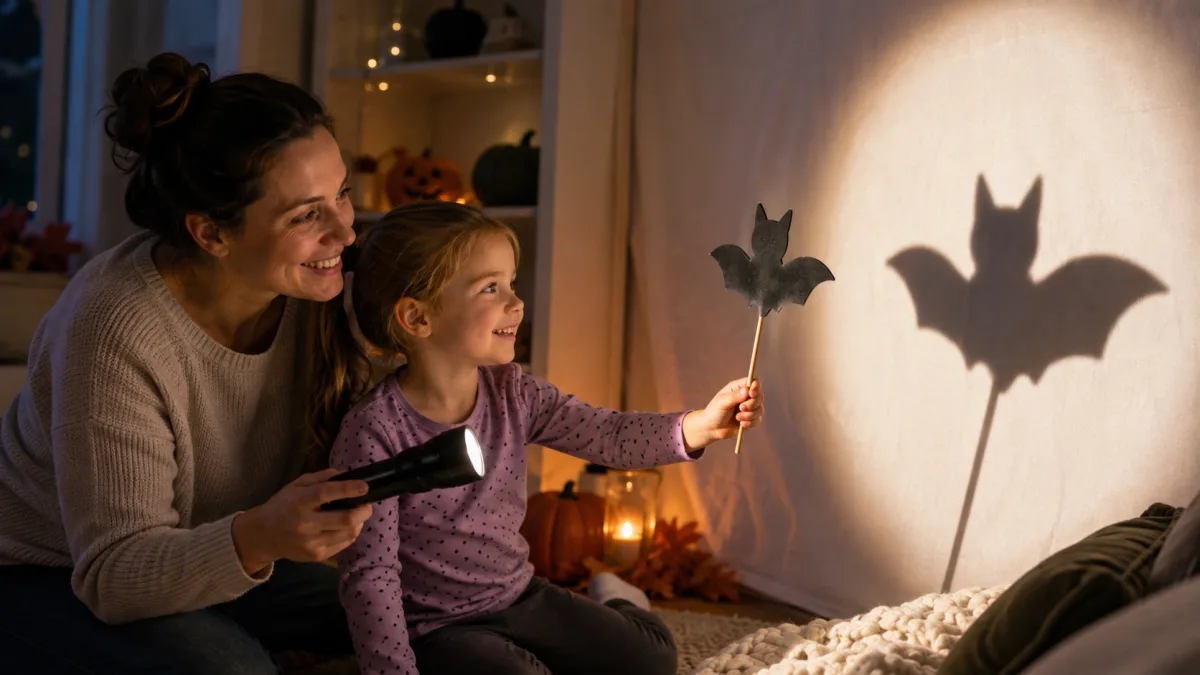
Spooky Shadow Puppets
Cut a bat and a cat from card, tape them to straws, and put on a show against the wall with a torch.
-
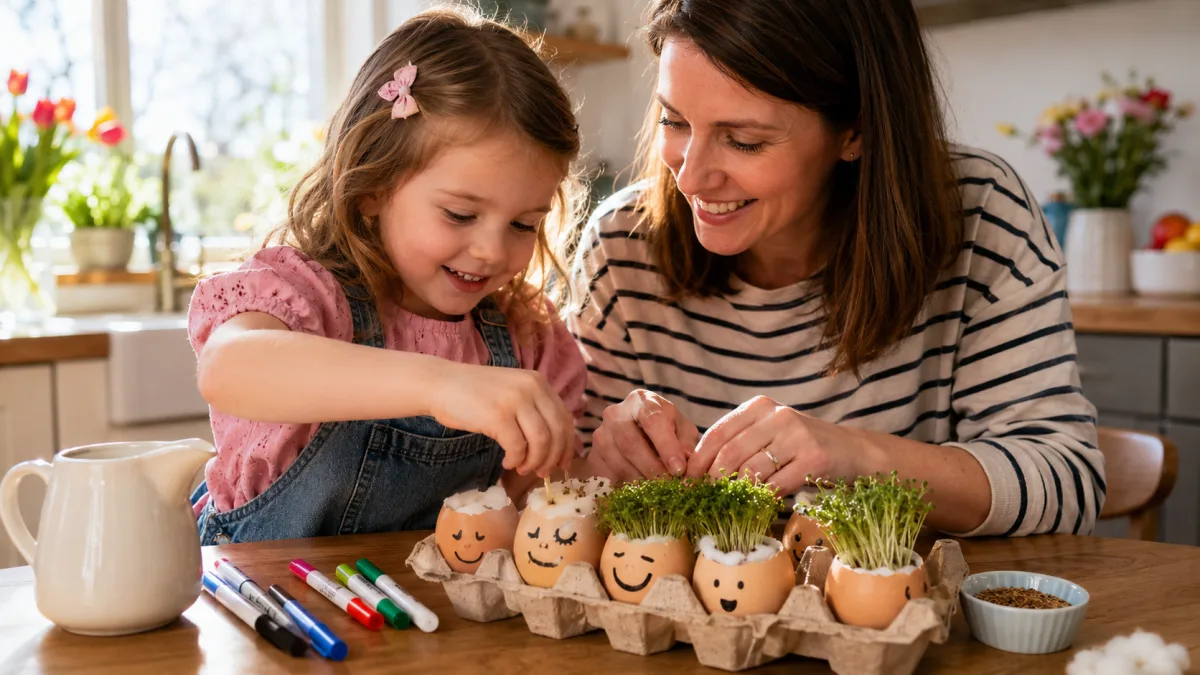
Grow Hair on an Eggshell
Half an eggshell, a face drawn on, cotton wool and cress seeds. In a week it has green hair you can eat.
-
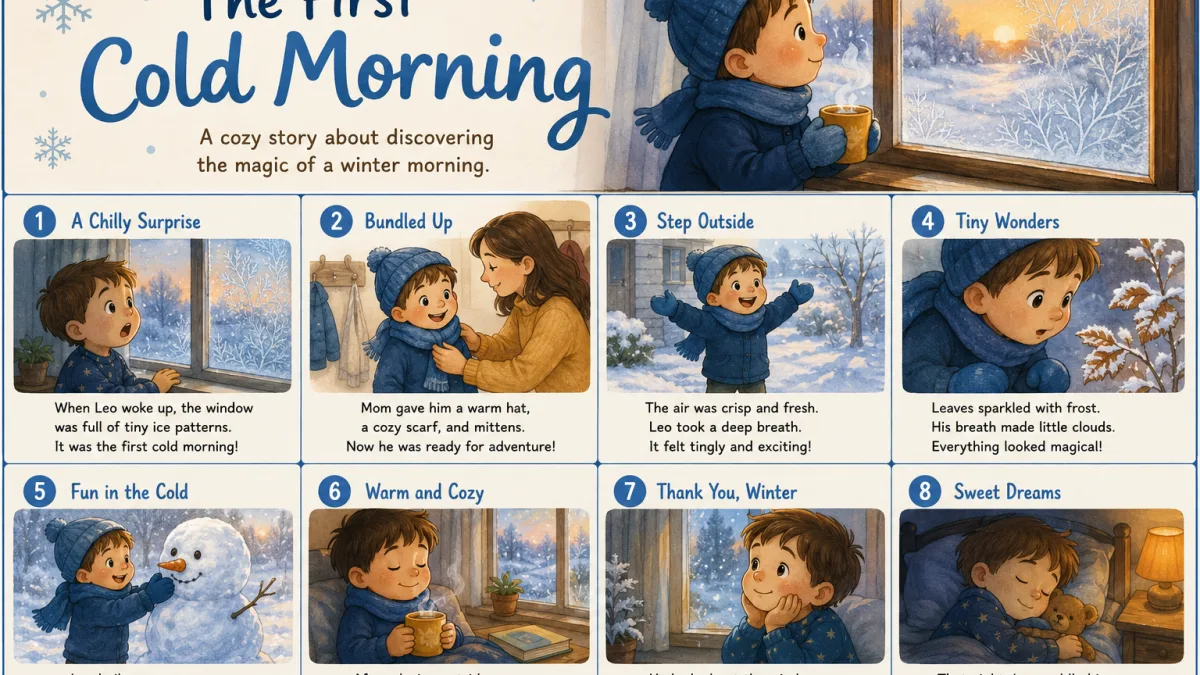
The First Cold Morning
A seasonal story about the morning you can suddenly see your own breath.
-

Collect the Leaves, Then Sort Them
A bag, a walk, and a kitchen table. The collecting is half of it and the sorting is the other half.
-
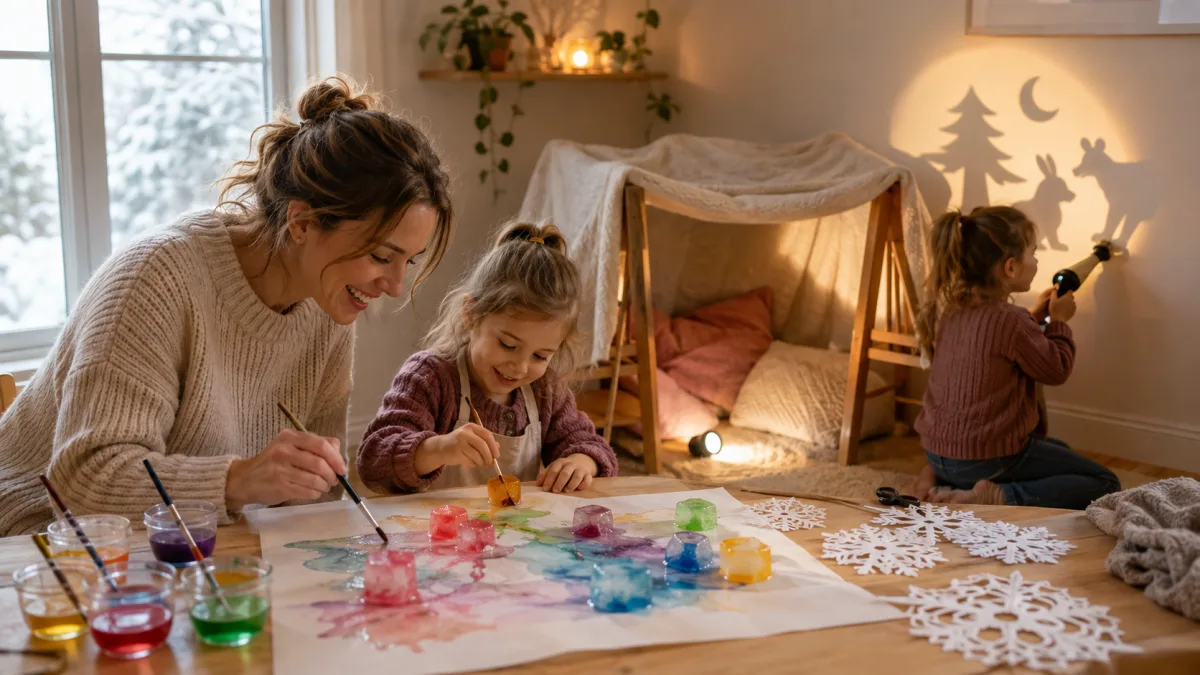
Winter Play When It Is Too Cold to Go Out
Ice, torches, dens and paper snowflakes. The four things that reliably fill a dark afternoon.
-
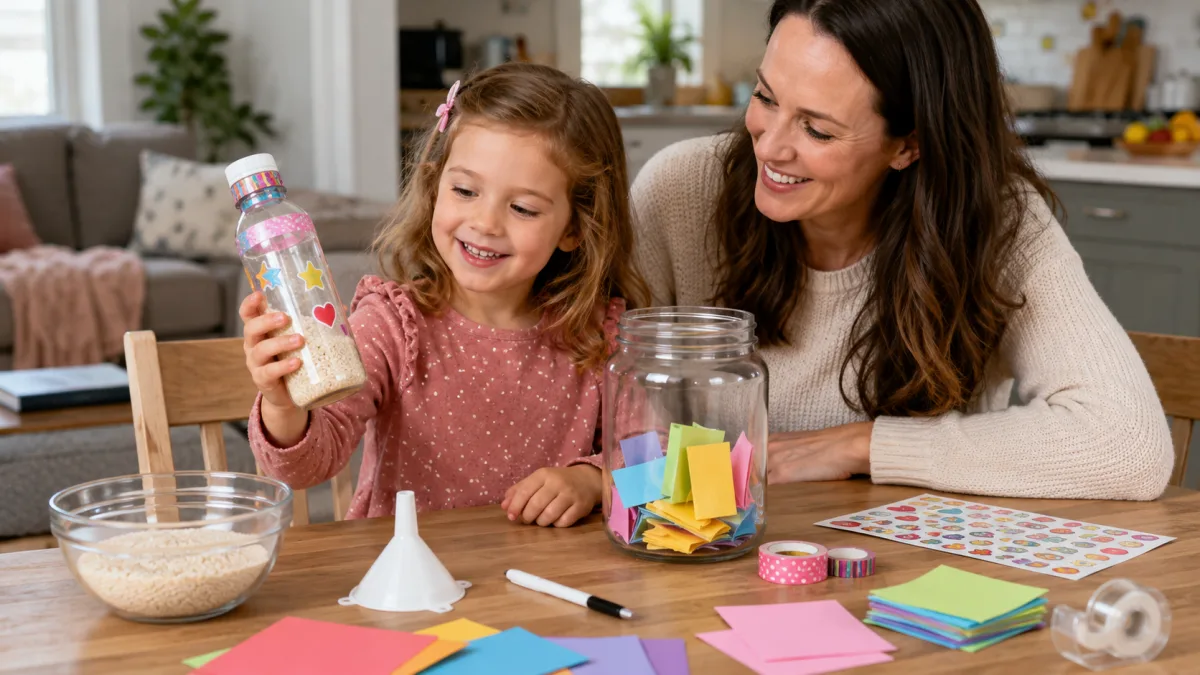
Noisy Shakers and a Jar of Good Things
One loud activity and one quiet one. Make shakers for the countdown, and a jar to look back at next year.
-
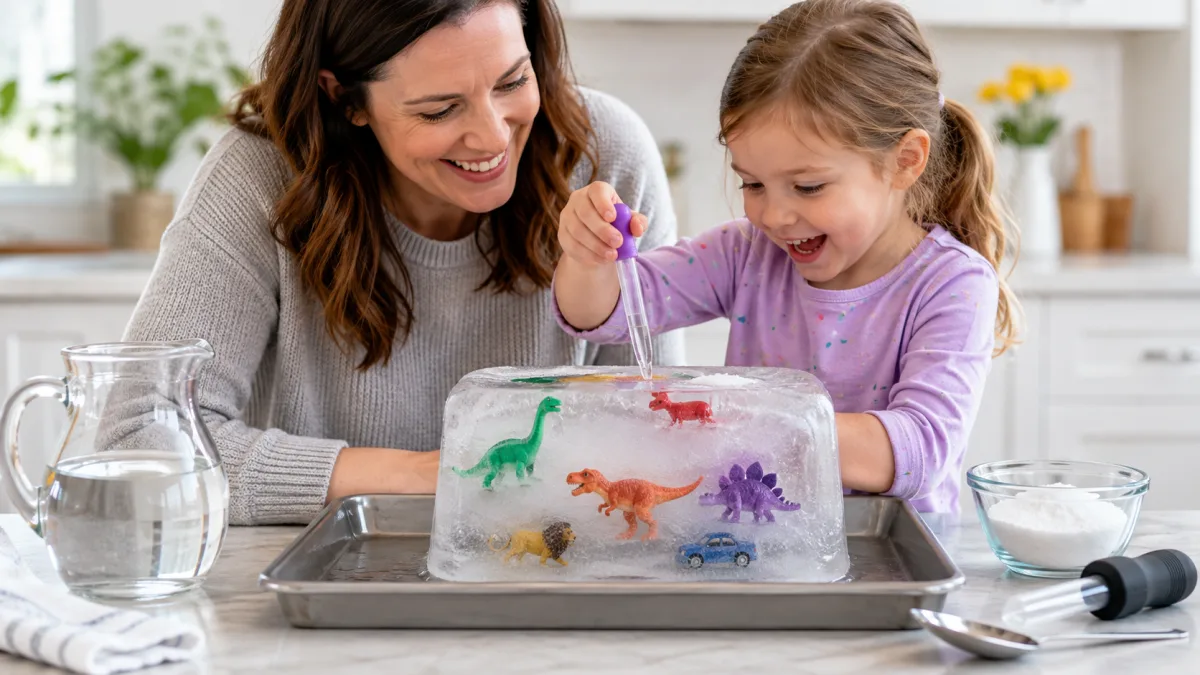
Rescue the Frozen Toys
Freeze small toys in a tub of water overnight, then hand over warm water, salt and a spoon. It buys a genuinely quiet hour.
-
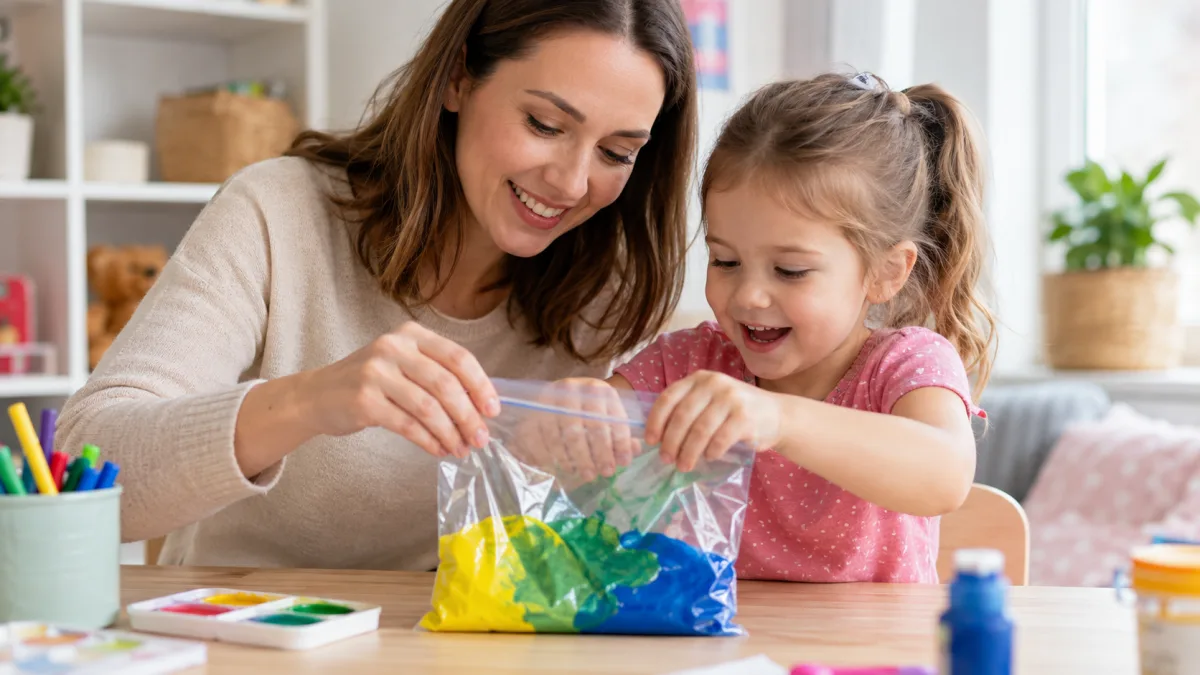
Mixing Colours Without the Mess
Two blobs of paint sealed in a freezer bag. They squash it, the colour changes, and nothing gets on anything.