


Independent Play
Independent Play ideas for children aged 2 to 8.
Independent play is a skill, not a personality trait, and it is built in small pieces. Ten minutes is a real achievement for a three-year-old; half an hour is realistic for a six-year-old who has had practice.
What makes it work is nearly always the setup rather than the activity: everything within reach, no step that needs an adult in the middle, and a clear end so they know when it is finished. An activity that requires you to open a lid, cut a piece of string or find the glue is not independent play — it is a series of interruptions.
Start by staying in the room and saying less. Leaving is the last step, not the first.
Activities
-
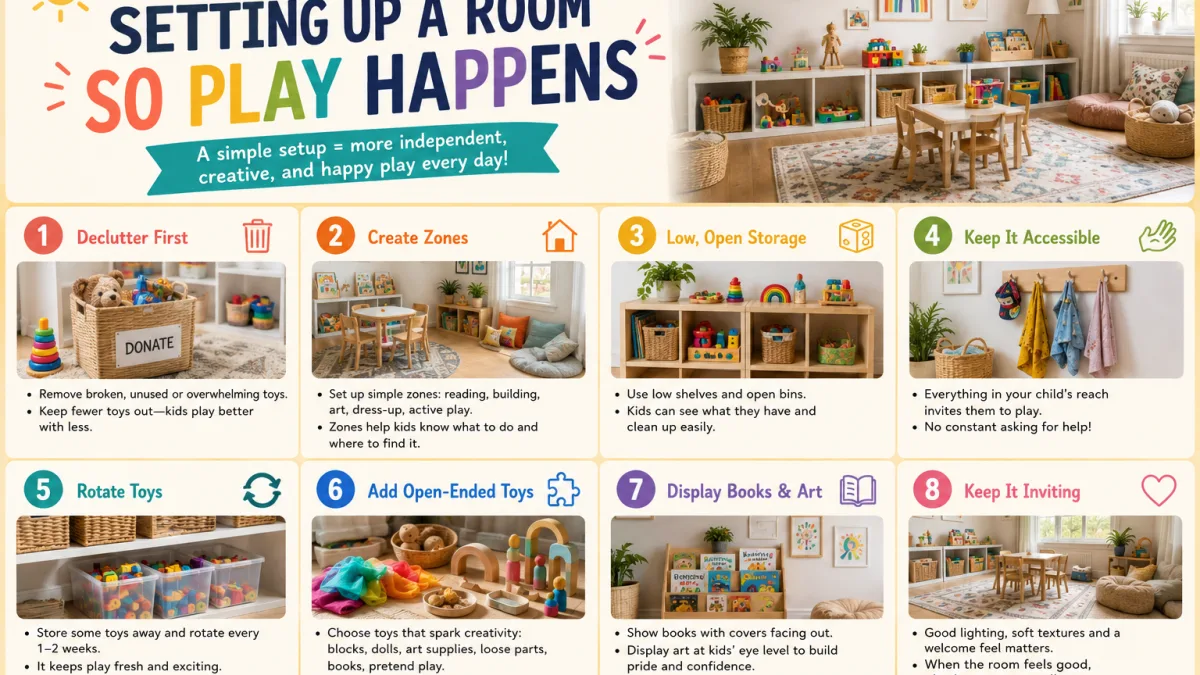
Setting Up a Room So Play Happens Without You
The highest-leverage thing on this whole site. Fewer things out, at their height, in containers they can open.
-
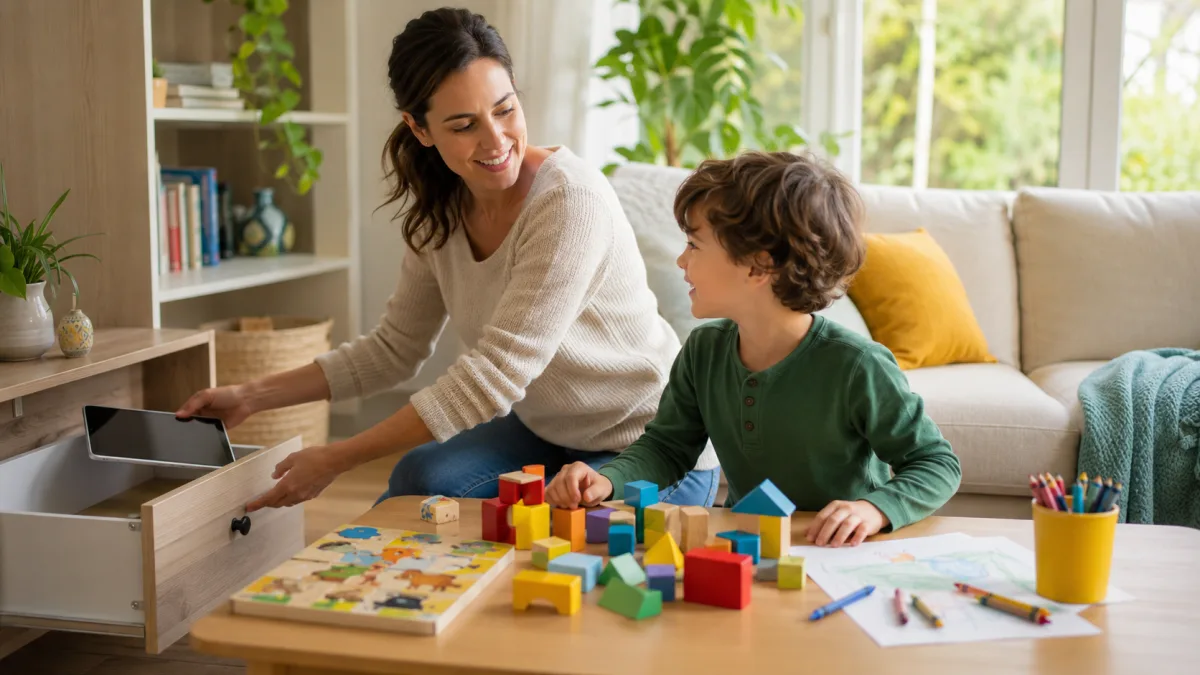
Less Screen Time, Without the Argument
What actually works is not willpower. It is having something else already out on the table, and the tablet not in the room.
-
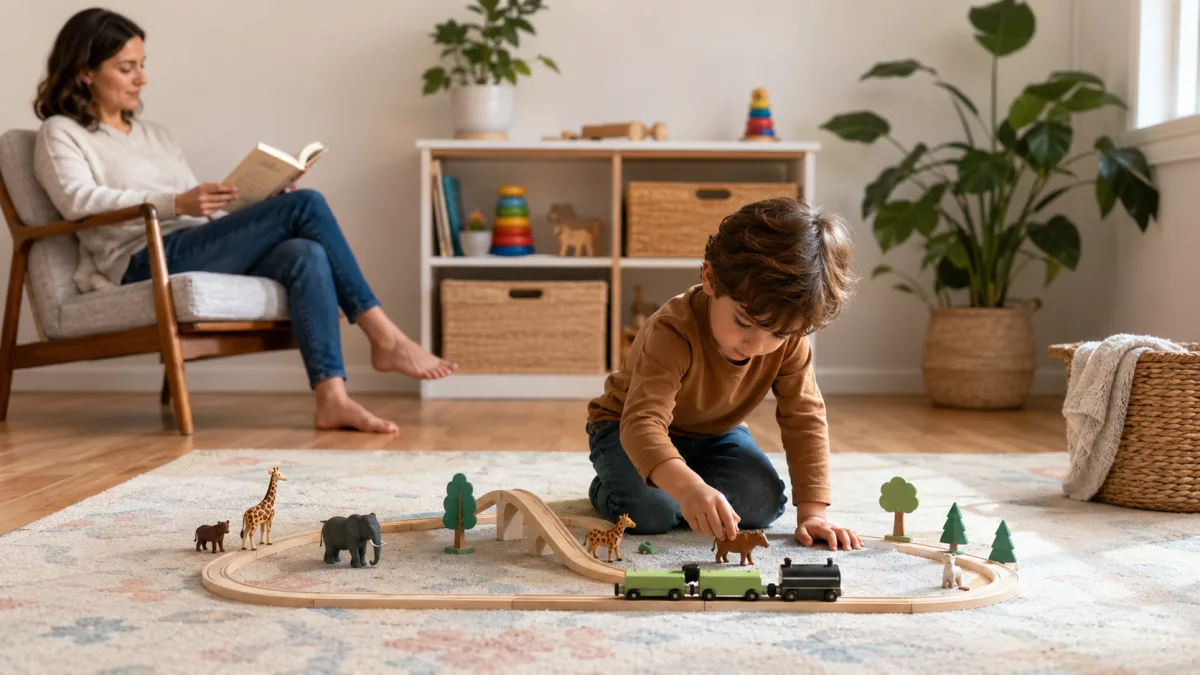
Teaching a Child to Play Alone
It is built, not waited for. Stay in the room, say less, and leave for two minutes before you leave for twenty.
-
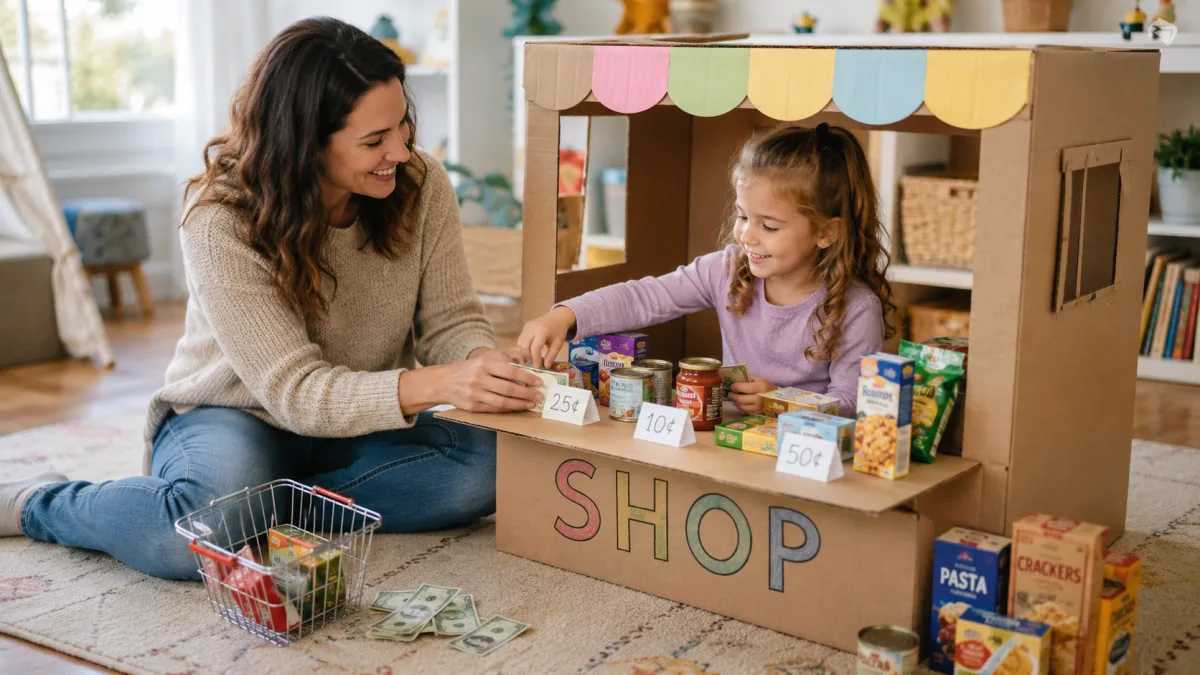
Turning a Box Into a Shop
A delivery box, a marker and whatever is in the cupboard. Then step back, because the play runs itself.
-
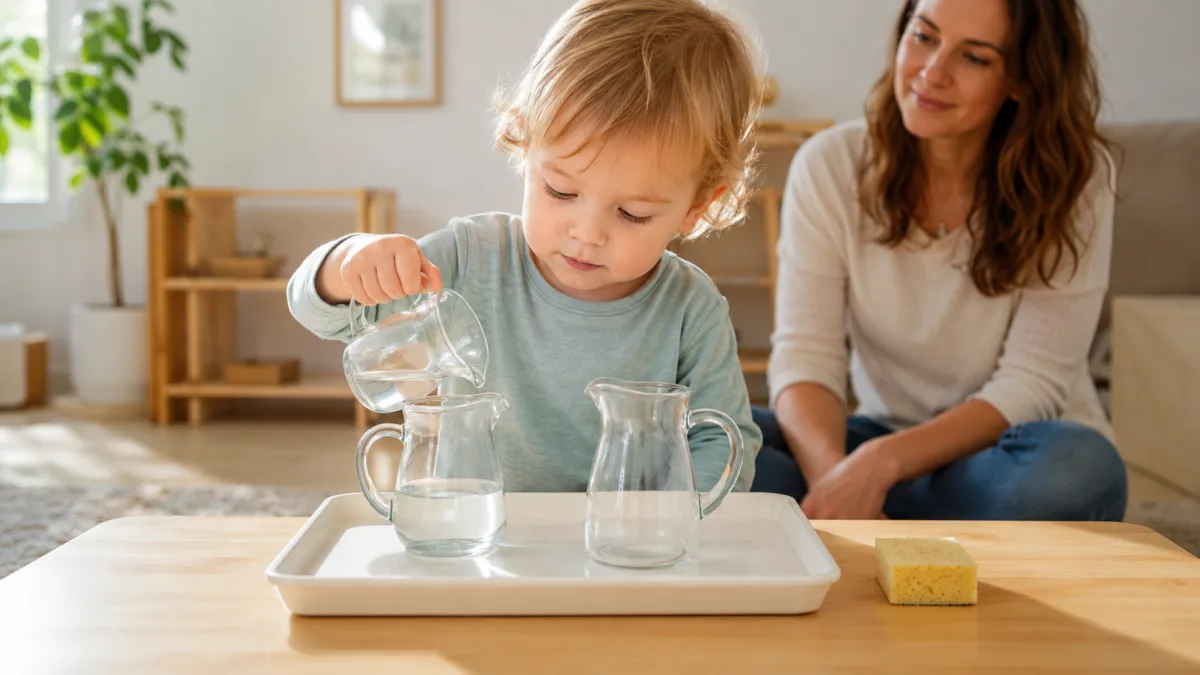
A Pouring Station
Two small jugs, a tray, and water. Absorbing, genuinely useful, and a child can do it entirely alone.
-
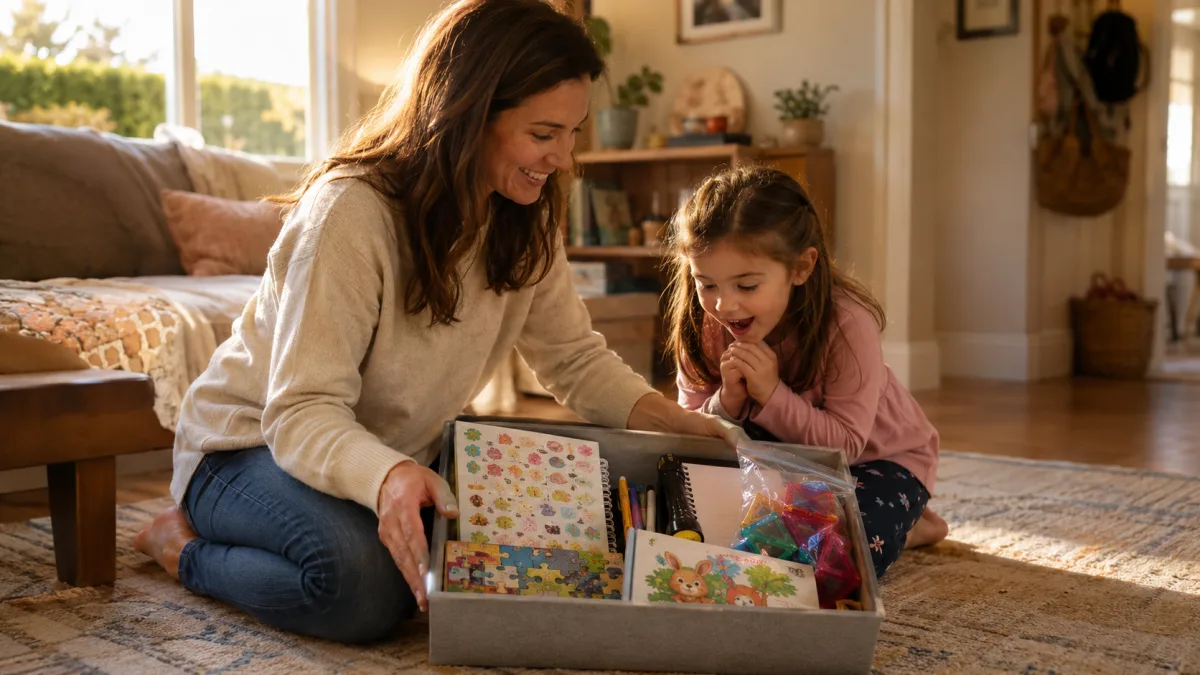
A Quiet Box for the Difficult Hour
One box, five or six calm things, brought out only when everything is falling apart. It works because it is rare.
-
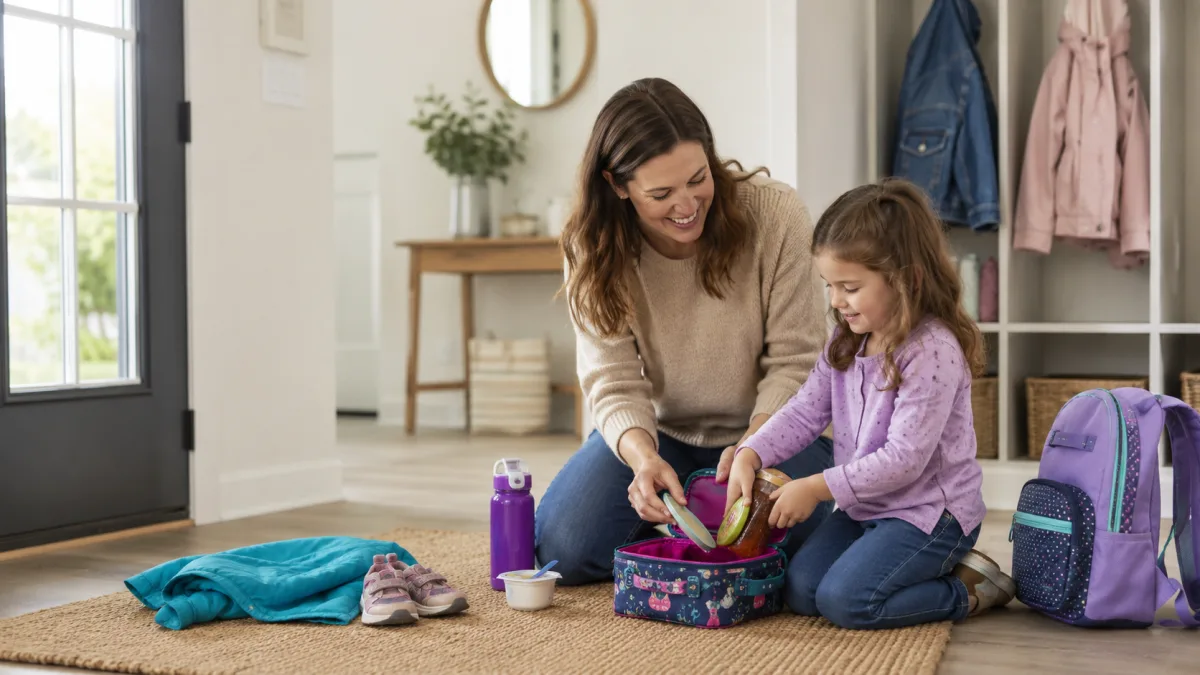
Practising the Bits That Actually Worry Them
Not the alphabet — the lunchbox, the buttons, the shoes and finding the toilet. The things that decide whether a first week goes well.
-
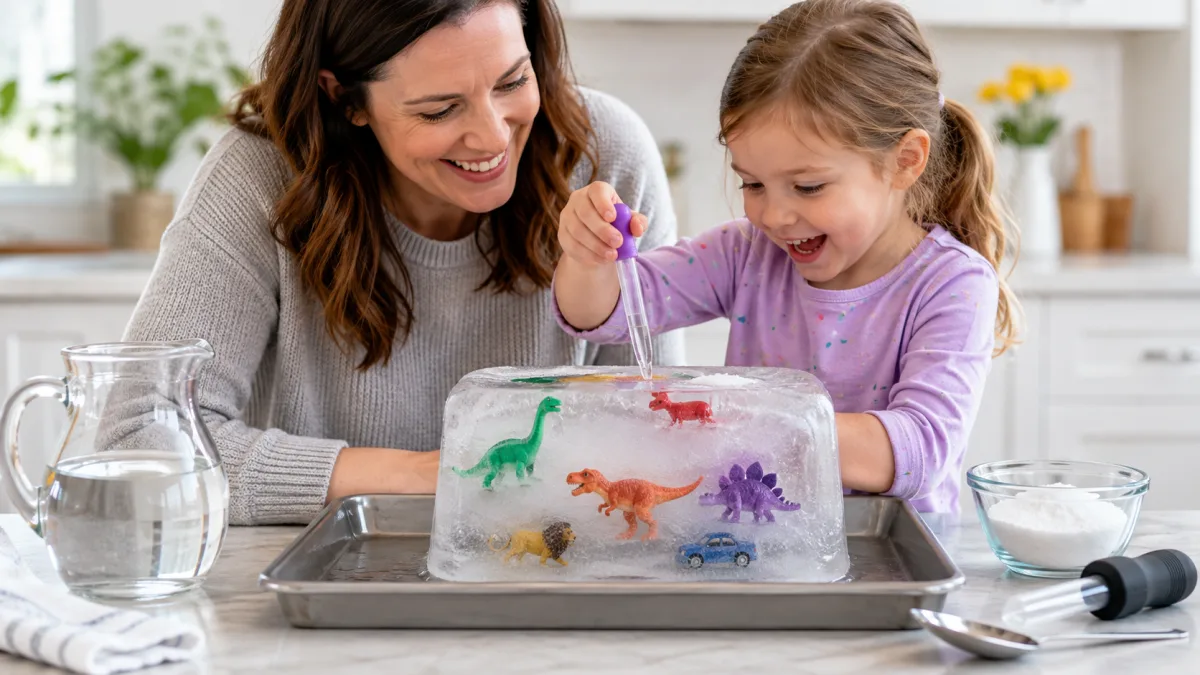
Rescue the Frozen Toys
Freeze small toys in a tub of water overnight, then hand over warm water, salt and a spoon. It buys a genuinely quiet hour.
-
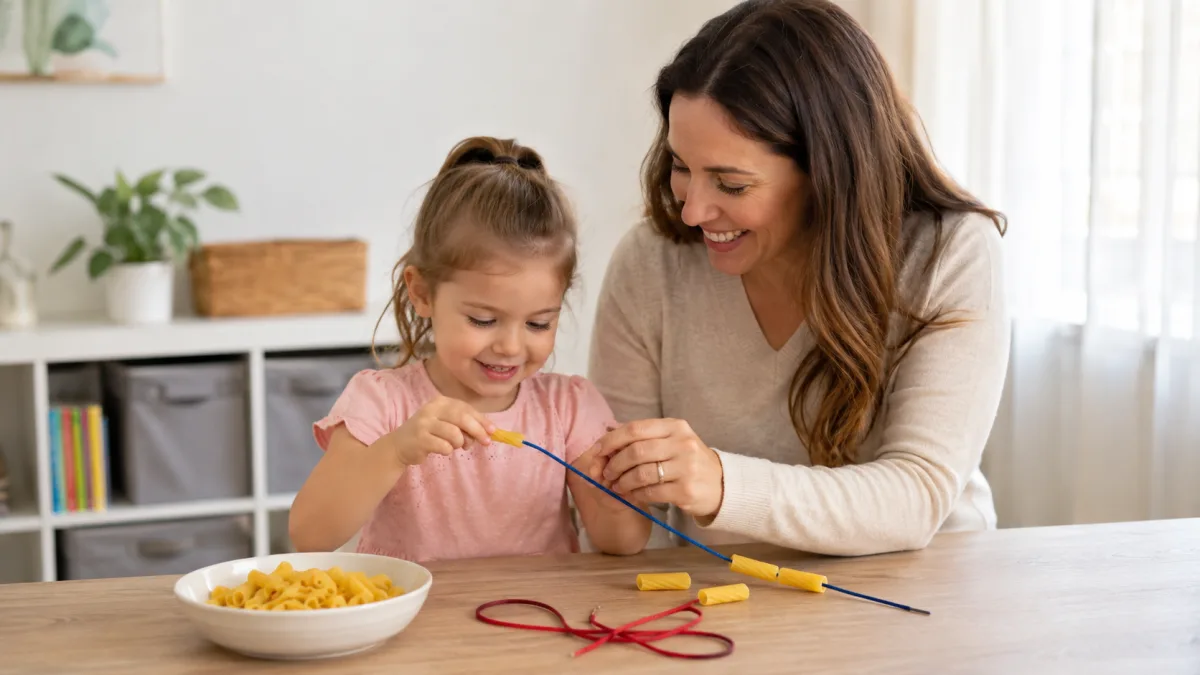
Threading Pasta Necklaces
Dry pasta tubes and a shoelace. Quiet, absorbing, and one of the best things you can do for a small hand.