


Early Math
Learn Early Math through play.
Early maths is mostly about noticing structure: this one is bigger, these two are the same, this pattern goes red-blue-red-blue, there are enough for one each. None of it needs a written sum, and pushing to sums early usually gets in the way.
These activities are sorting piles, making patterns with pegs and pasta, comparing which cup holds more, and sharing snacks out fairly — which is far more motivating than any worksheet division.
The useful language is the free part: more, fewer, heavier, longer, the same, one each, half. Using those words while you play does most of the teaching.
Activities
-
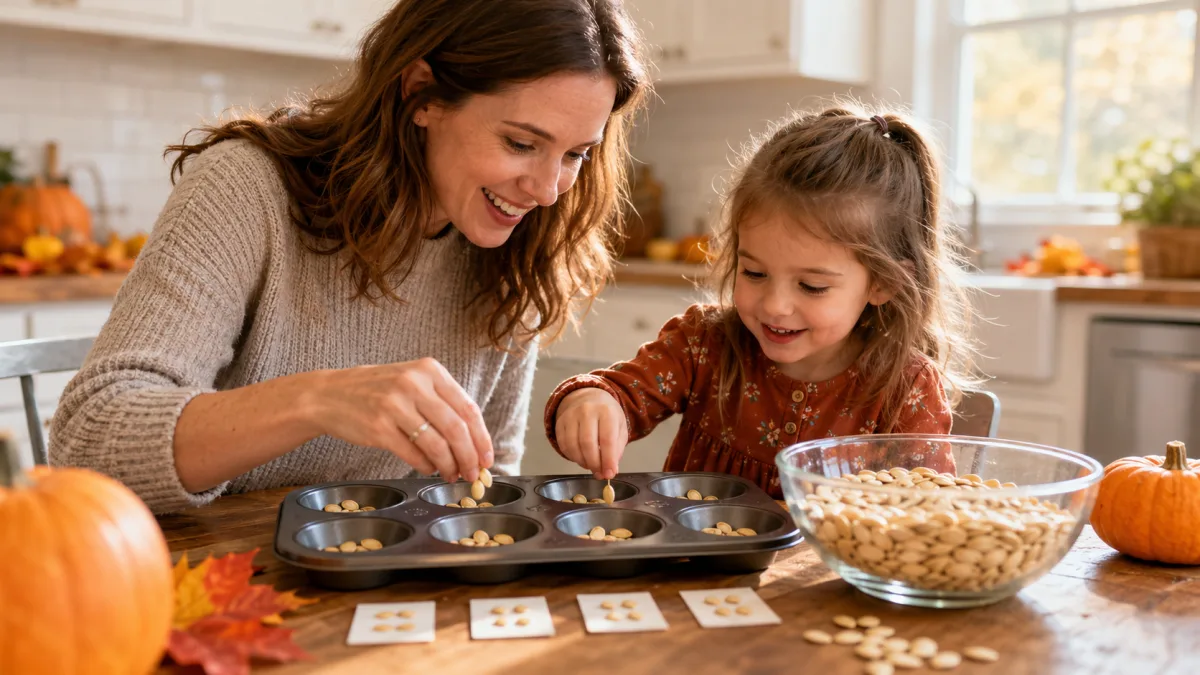
Count the Pumpkin Seeds
Wash and dry the seeds from your pumpkin, then turn them into a counting game that lasts all week.
-
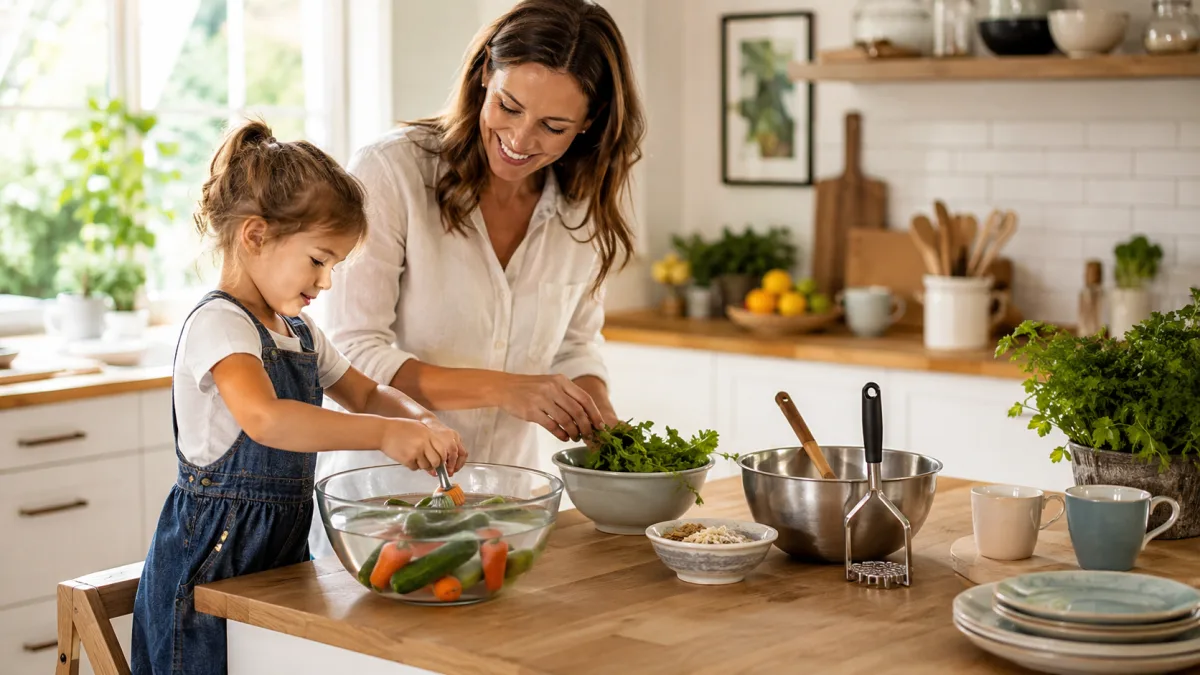
Real Kitchen Jobs a Small Child Can Actually Do
Washing, tearing, stirring and sprinkling. Eight jobs that are genuinely useful on a busy cooking day.
-
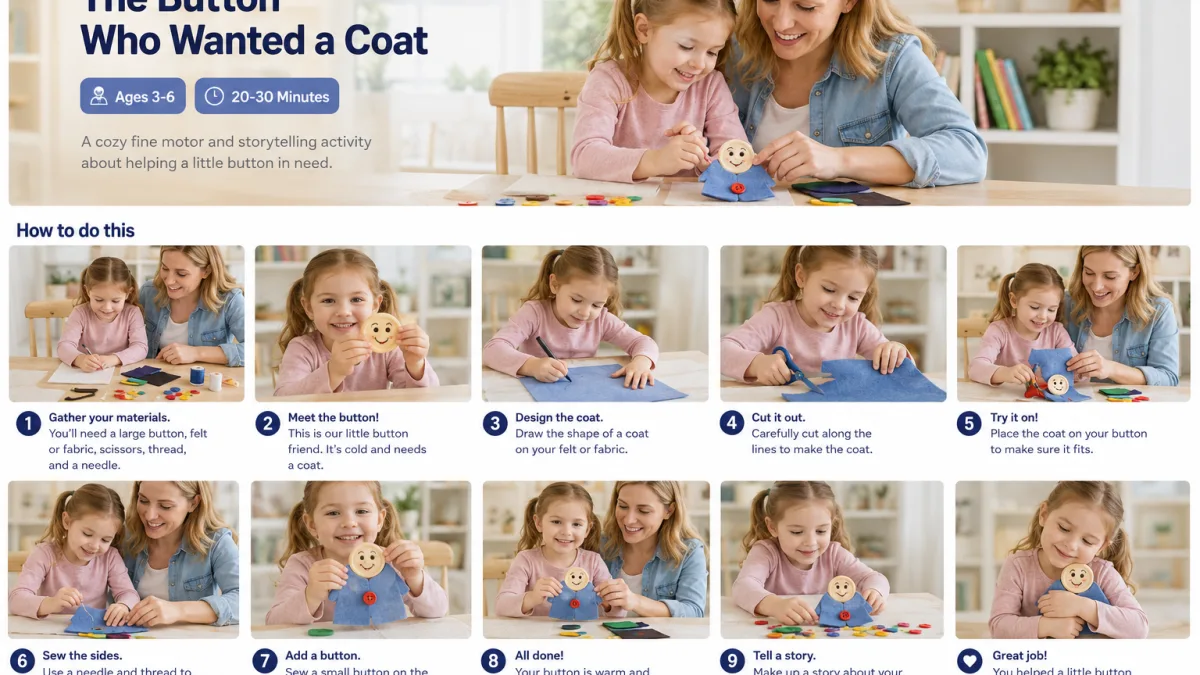
The Button Who Wanted a Coat
A story about a lost button, and then a jar of real buttons to sort afterwards.
-
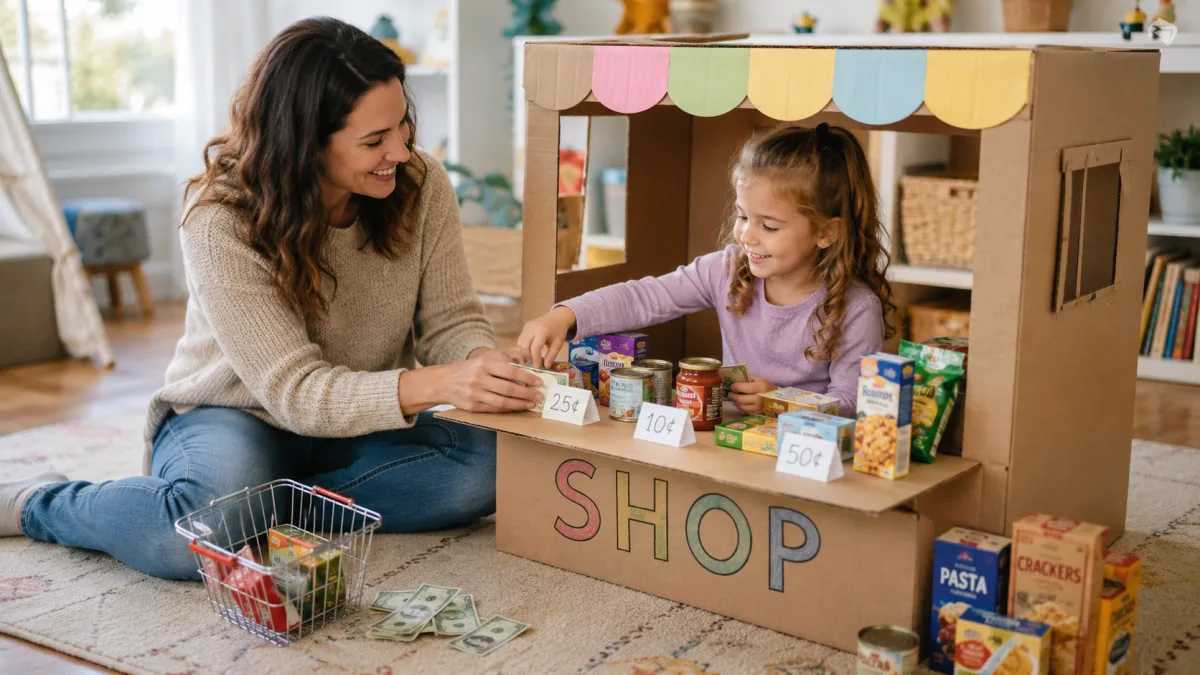
Turning a Box Into a Shop
A delivery box, a marker and whatever is in the cupboard. Then step back, because the play runs itself.
-
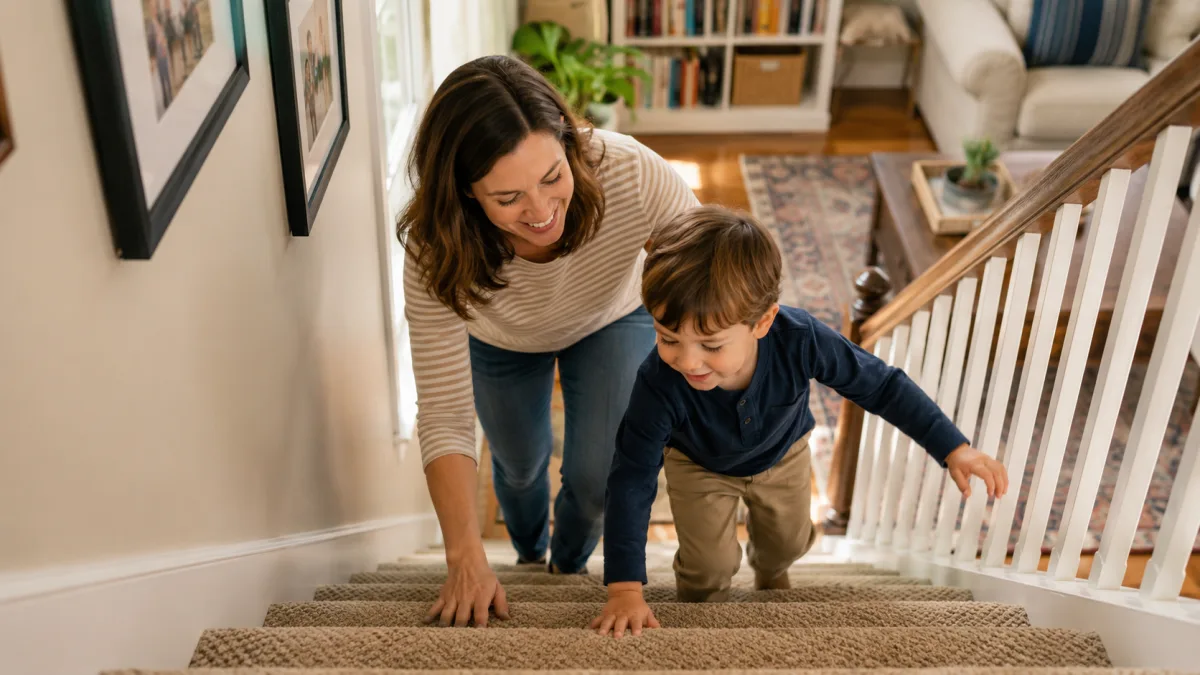
Counting the Stairs (and Everything Else)
Not really an activity — a habit. Counting things out loud all day does more for early maths than any worksheet.
-
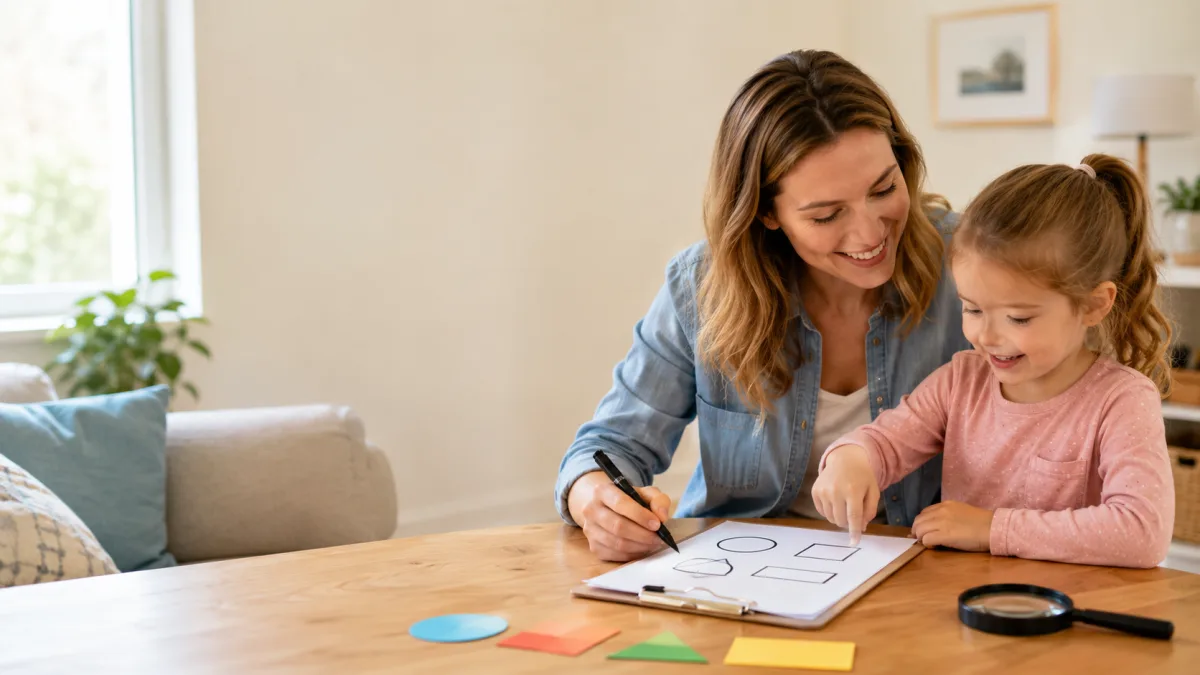
A Shape Hunt Round the House
Circles, squares and triangles are already everywhere. Give them a list and let them find them.
-
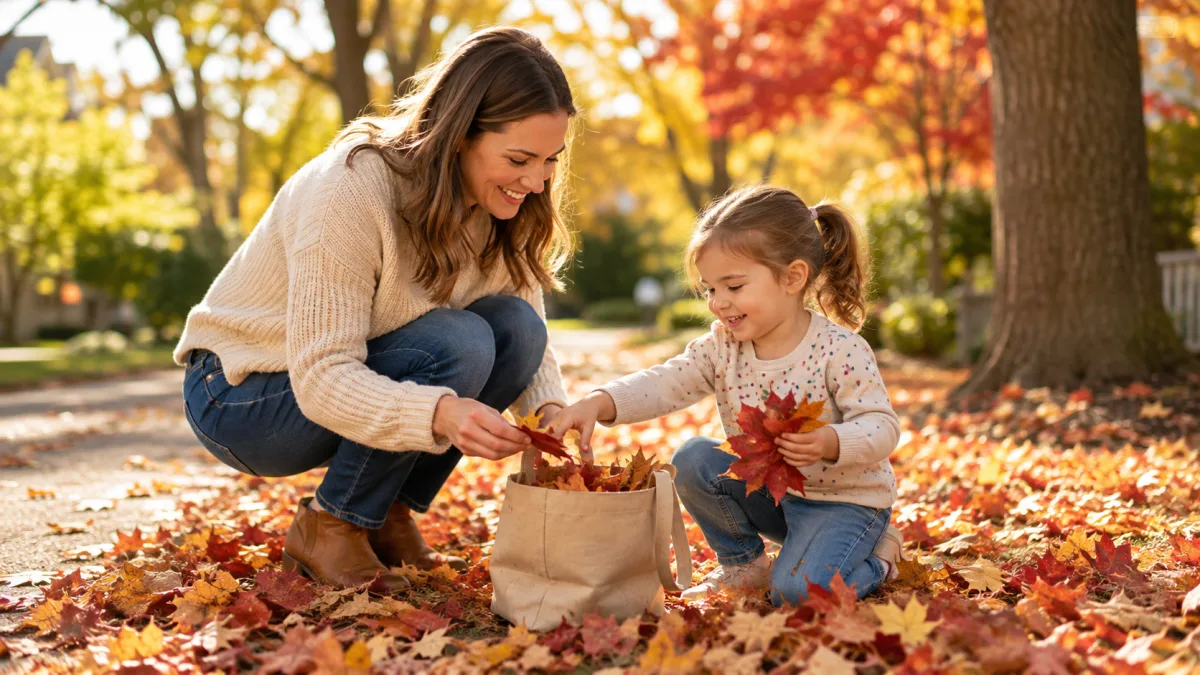
Collect the Leaves, Then Sort Them
A bag, a walk, and a kitchen table. The collecting is half of it and the sorting is the other half.
-
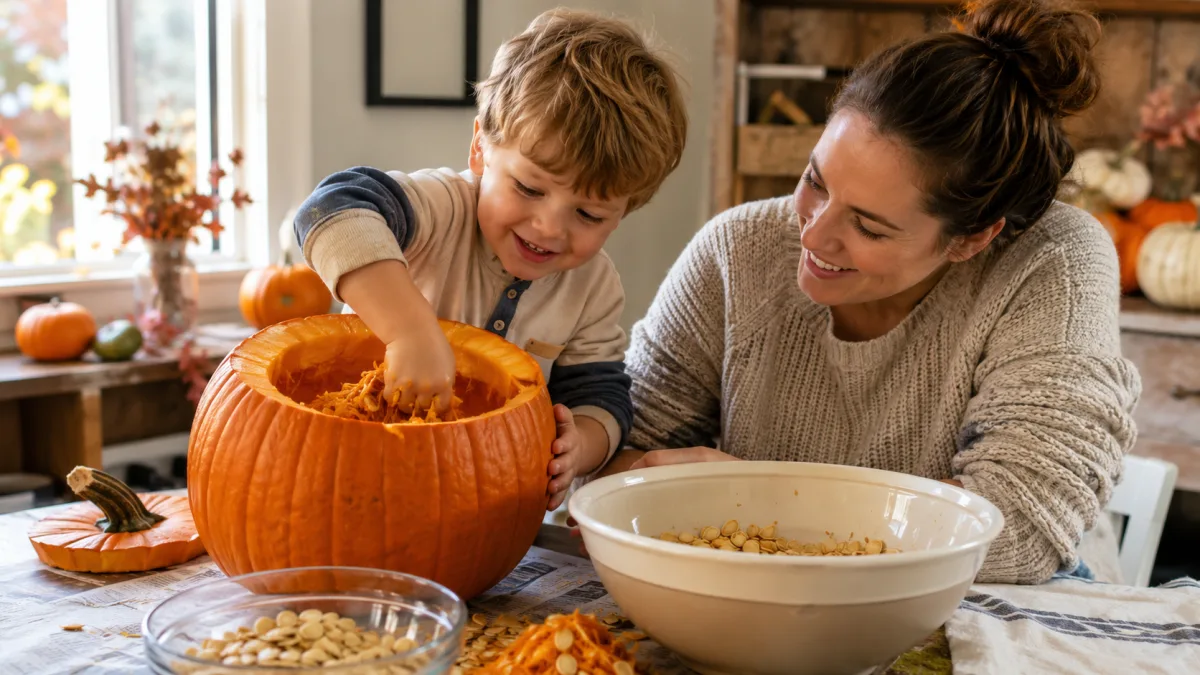
Scooping Out a Pumpkin
The insides are the best part. Scooping is a proper sensory activity, and the washed seeds do a week of counting afterwards.
-
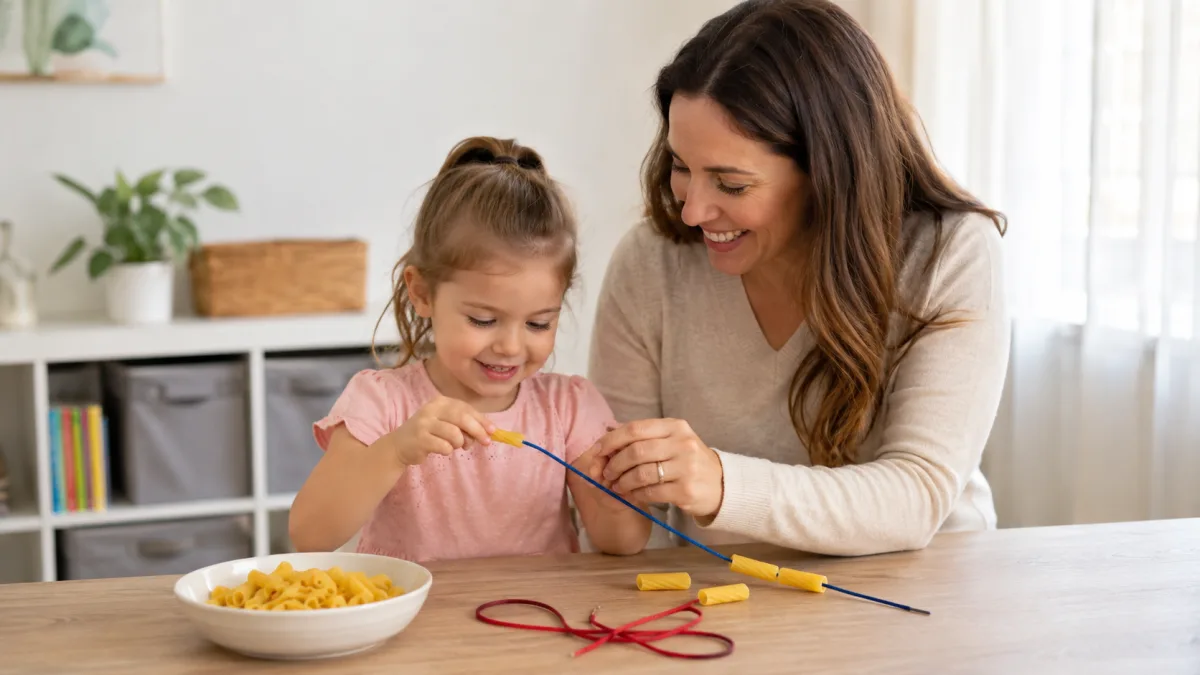
Threading Pasta Necklaces
Dry pasta tubes and a shoelace. Quiet, absorbing, and one of the best things you can do for a small hand.
-
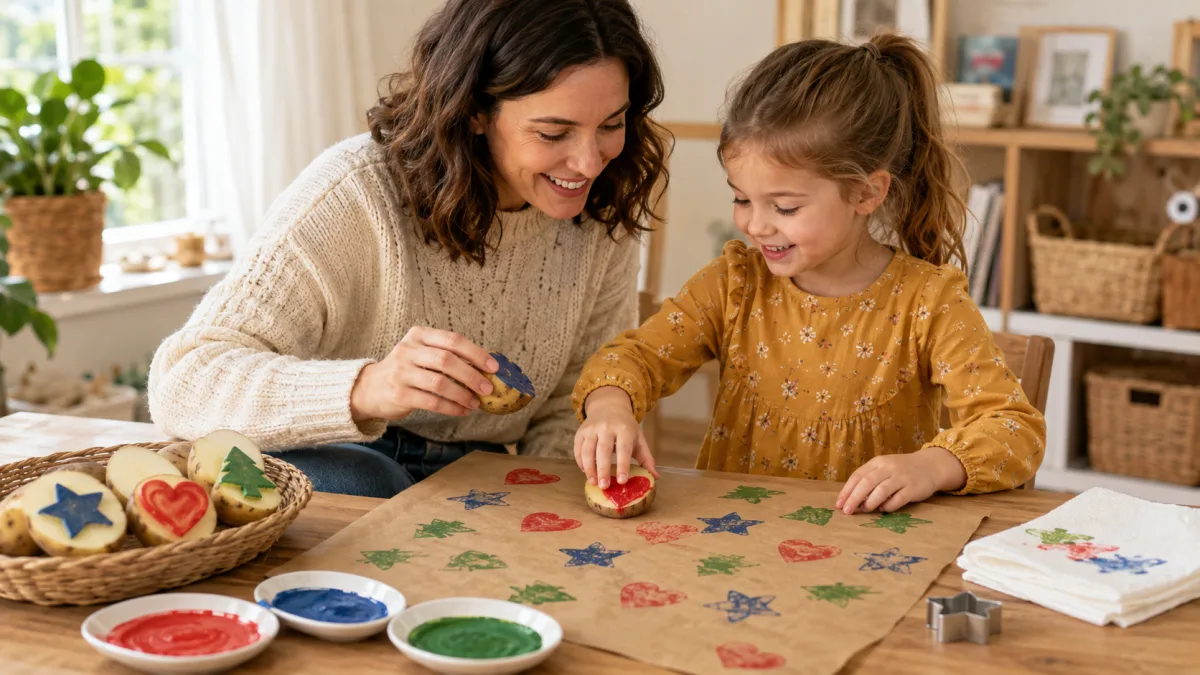
Printing Your Own Wrapping Paper
A halved potato, a shape cut into it, and a roll of plain paper. It looks far better than it has any right to.