


Toddlers
Activities for Toddlers.
Toddler play is physical, repetitive and short. Containers, lids, holes to post things through, water, and anything that can be carried across a room and put down somewhere unhelpful.
Setting up matters more than the idea. A low table, a shallow tray, a towel underneath and a small quantity of whatever it is will do more for how the activity goes than the activity itself.
Everything is a mouthing risk at this stage. Each activity says what to watch, and the ones with small parts are marked clearly.
Activities
-
1 Year Old Activities | Gentle Discovery
One-year-olds learn the way scientists do — by touching, mouthing, dropping, and repeating everything. The best activities for 1 year olds are gloriously simple: safe objects to explore, water to splash, and textures to squish, all with you nearby narrating the wonder. These idea
-
2 Year Old Activities | Screen-Free Play
Two-year-olds are glorious chaos: endlessly curious, fiercely independent, and done with every activity in about eleven minutes. The best 2 year old activities are simple, sensory, and repeatable — things your toddler can start, explore, and master without frustration. This guide
-
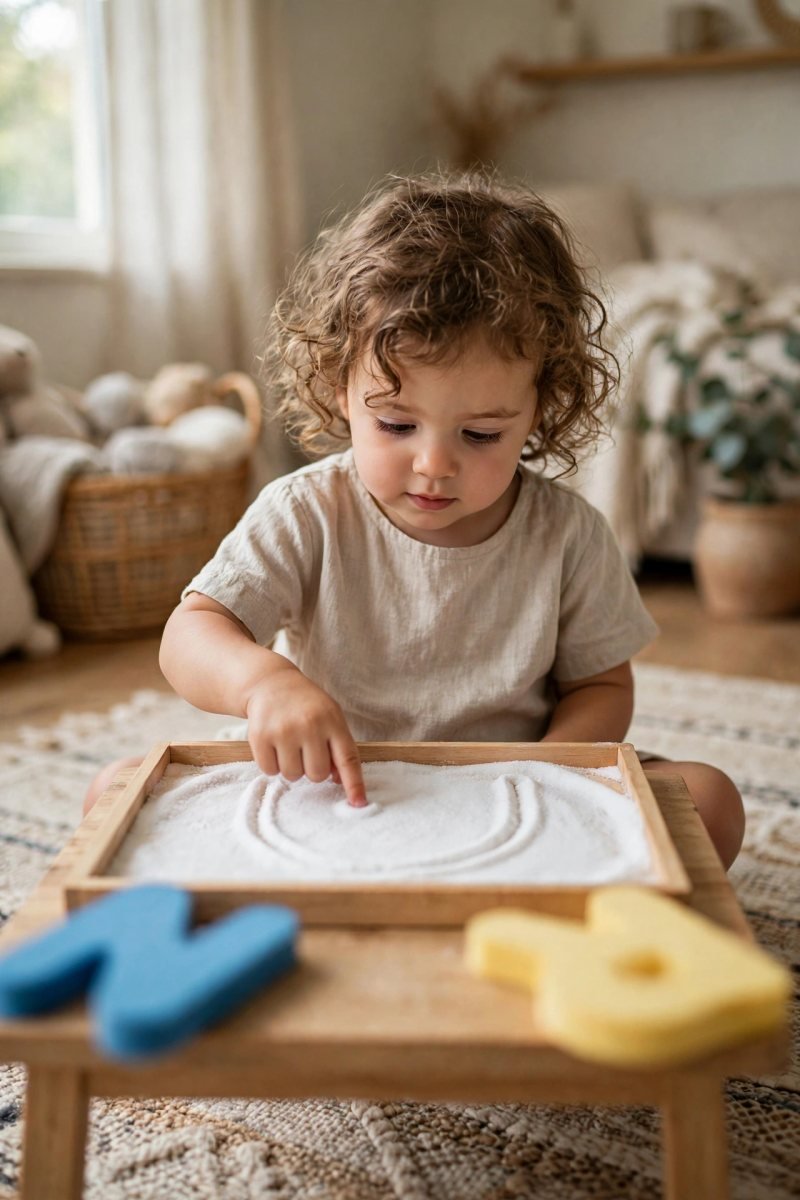
Alphabet Activities for Toddlers: 25 Simple Ways to Introduce Letters
Twenty-five no-worksheet alphabet activities for toddlers aged 2–3: sensory letter play, songs and rhymes, letter hunts, DIY alphabet books and playful games — all using things families already own. Start with the letters in your child's name.
-
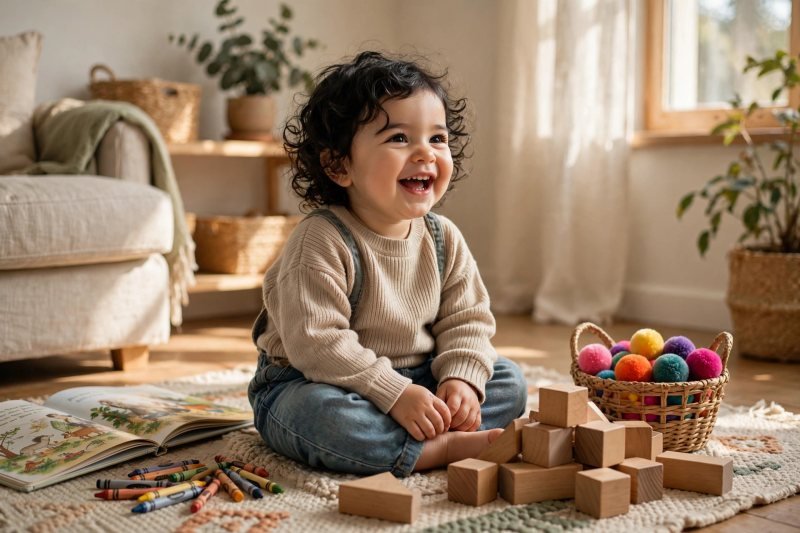
Toddler Learning Activities at Home: 30 Ways to Teach Your 2-Year-Old
Simple toddler learning activities at home that teach your 2-year-old language, counting, colours and fine-motor skills through play — 30 ideas from things you already own, five to fifteen minutes each.
-
1 Year Old Activities | Gentle Play
One-year-olds are brand-new scientists: everything gets touched, tasted, dropped, and investigated. The best 1 year old activities honor that curiosity with safe, simple sensory experiences — no fancy toys required. These ideas suit young toddlers around 12–24 months, with your p
-
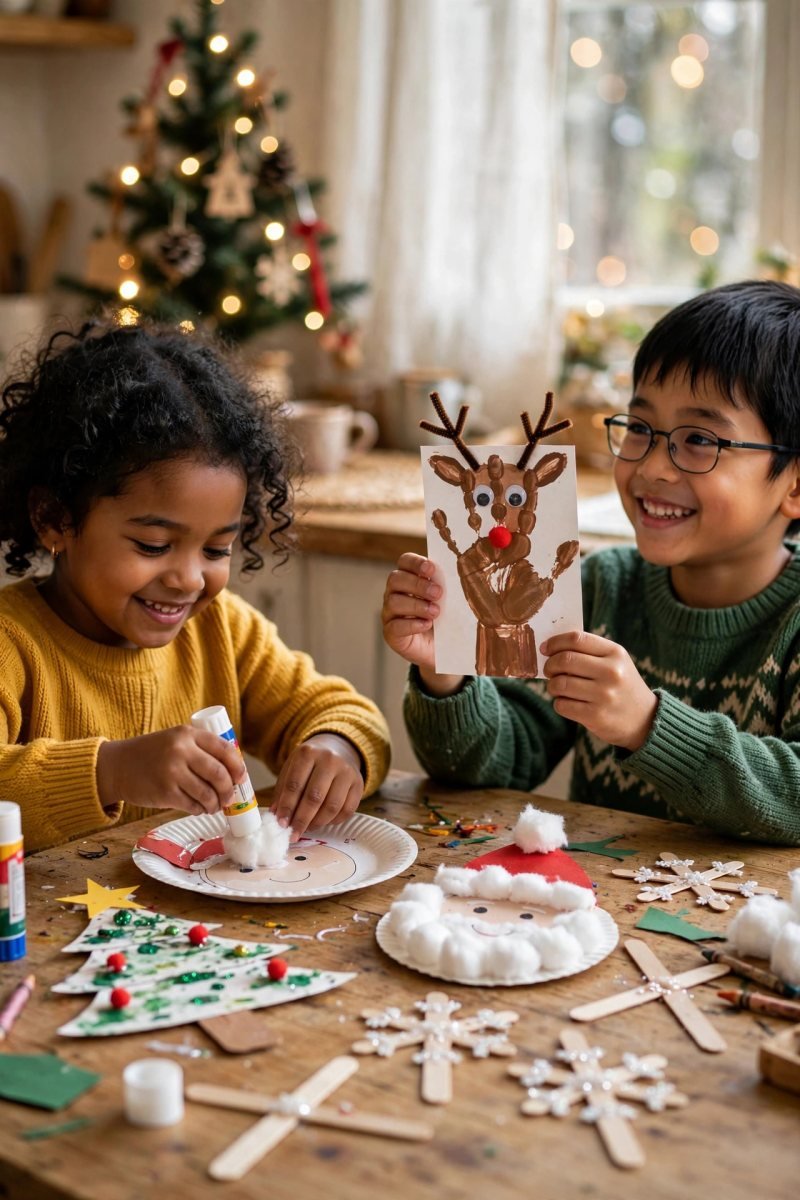
25 Easy Christmas Crafts for Kids (With Free Templates)
Looking for christmas crafts for kids that don't require a craft-store run, a glitter cleanup operation, or a screen to keep anyone busy? You've come to the right place. These 25 easy Christmas crafts use things you already have at home.
-
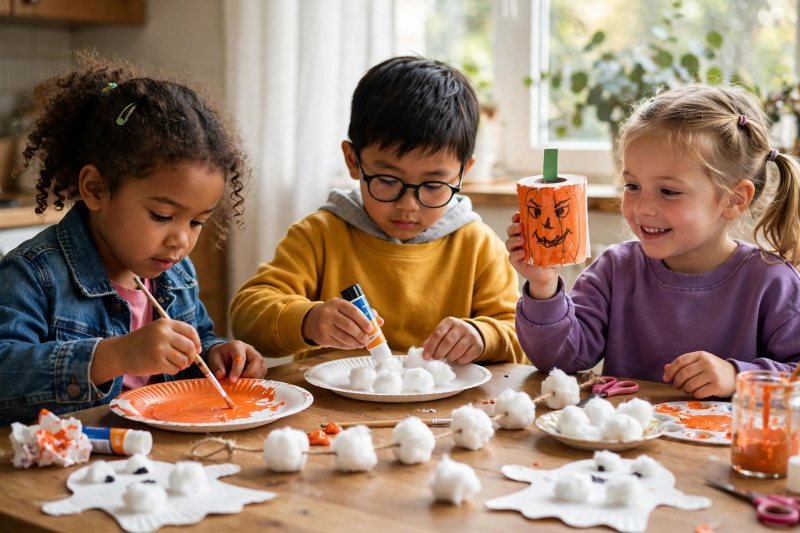
25 Not-So-Spooky Halloween Crafts for Kids
Looking for halloween crafts for kids that keep the fun without the frights? These 25 not-so-spooky Halloween crafts use things you already own — paper plates, toilet rolls, flour, crayons — and every idea lists the age, the time, and the mess level up front, so you can pick one in seconds.
-
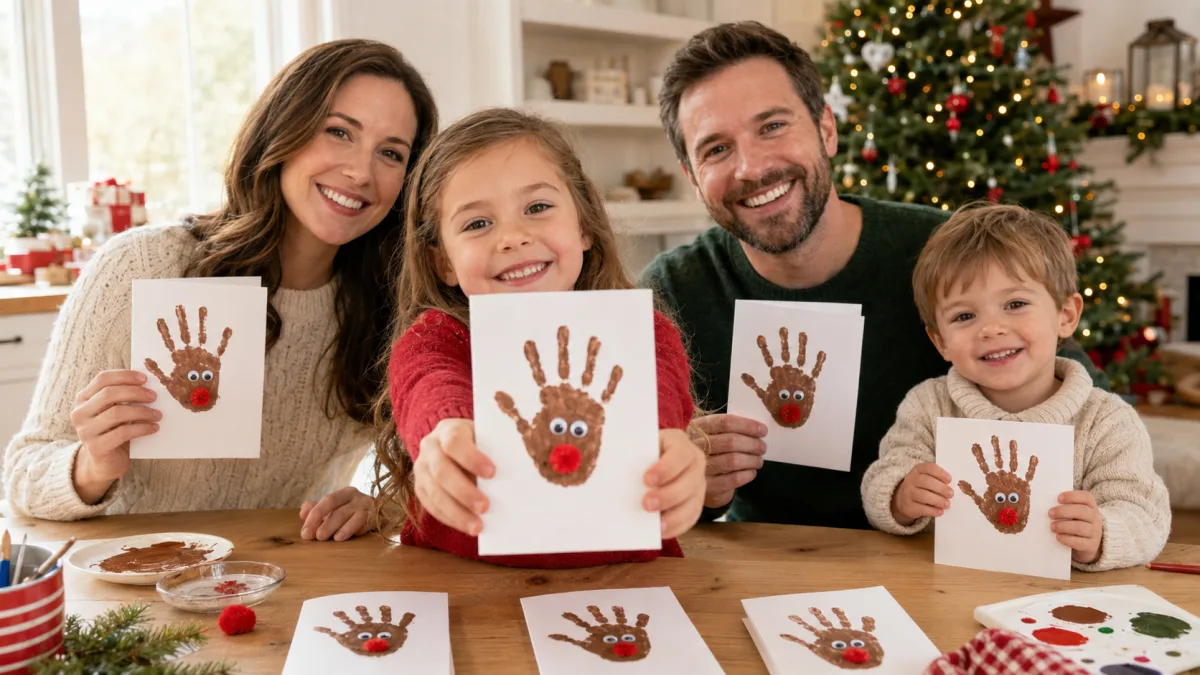
Handprint Reindeer Cards
A hand, upside down, is a reindeer. Nobody sees it until you show them.
-
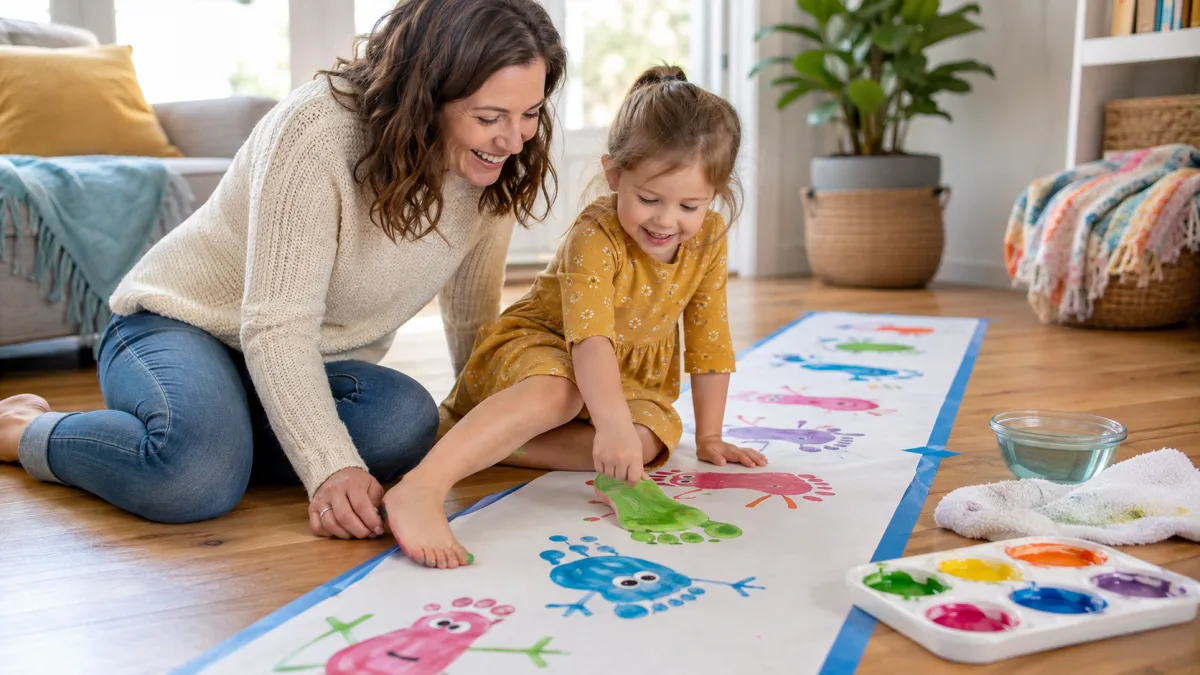
Monster Feet Painting
Paint the bottom of their feet and walk them down a roll of paper. Messy, hilarious, and over in ten minutes.
-
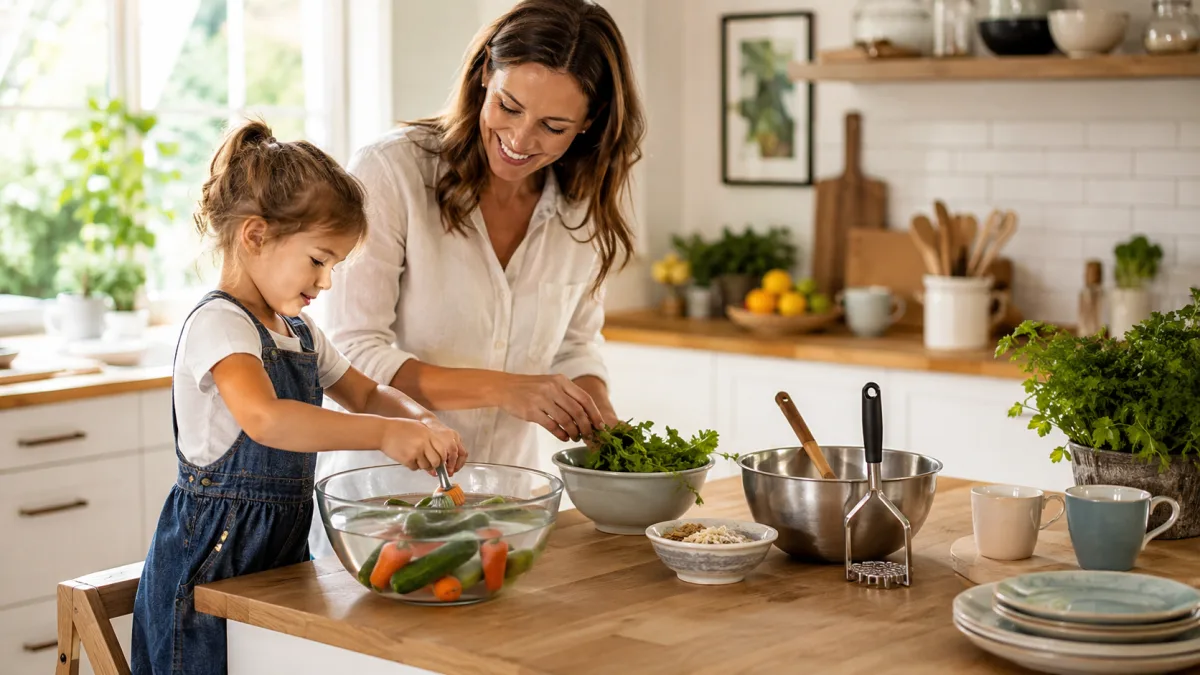
Real Kitchen Jobs a Small Child Can Actually Do
Washing, tearing, stirring and sprinkling. Eight jobs that are genuinely useful on a busy cooking day.
-
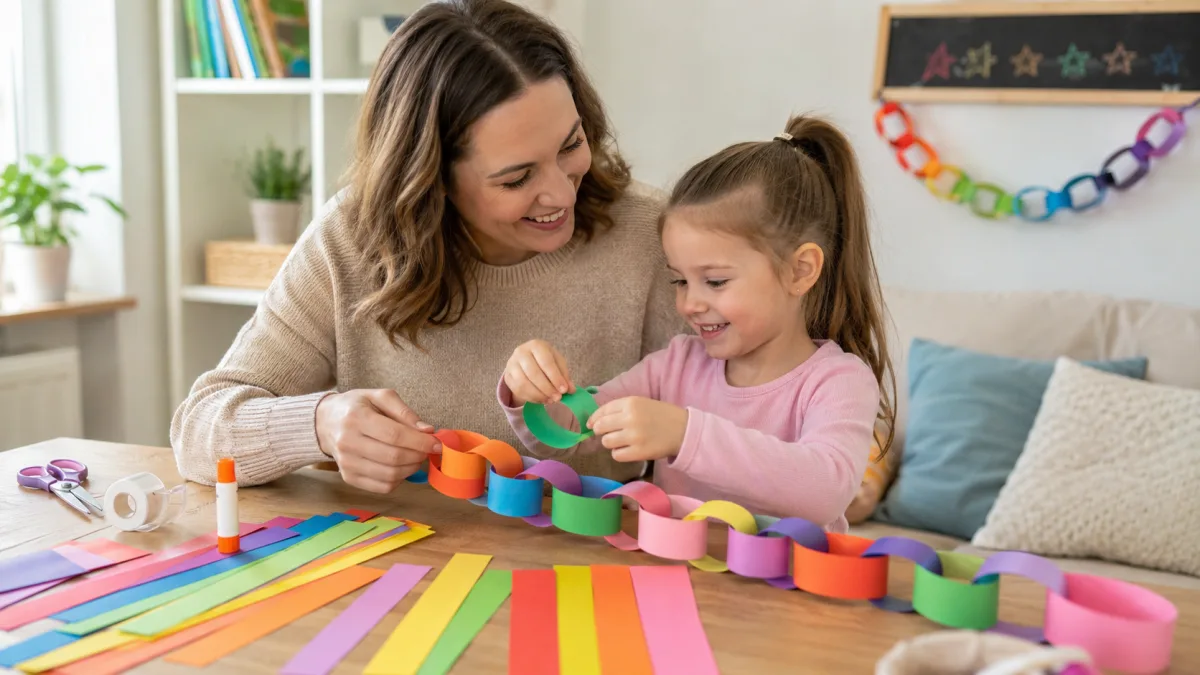
A Countdown Chain
One paper loop per day, torn off each morning. It makes waiting visible, which is what small children need.
-
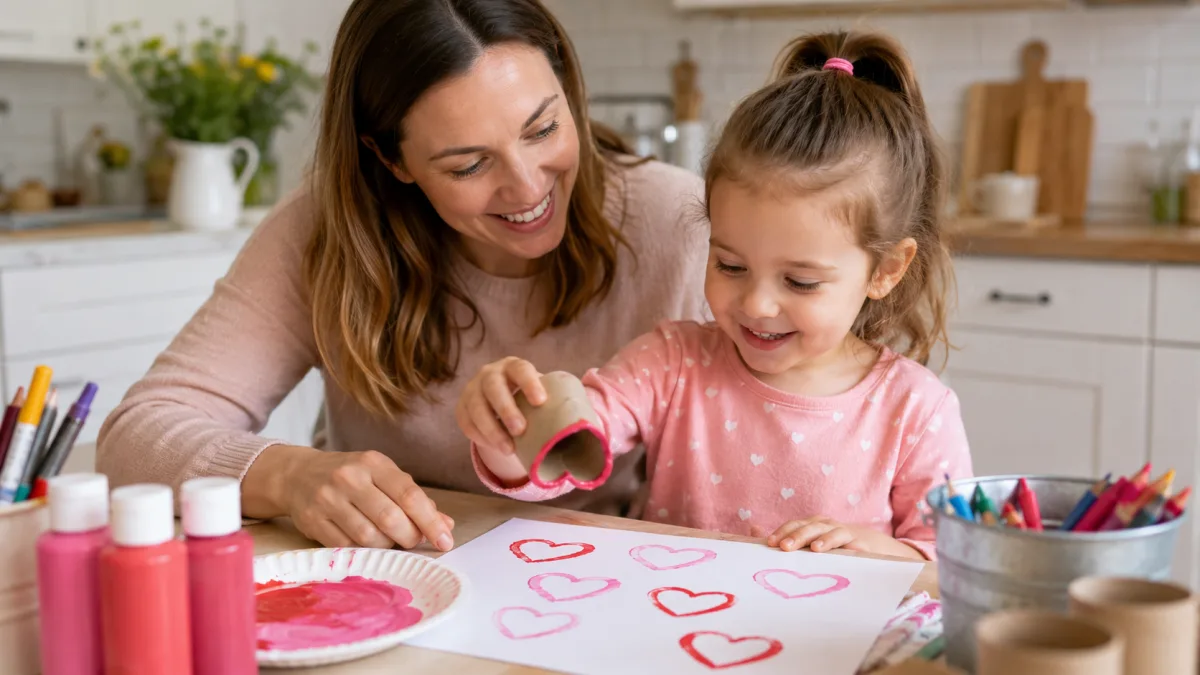
Print Hearts With a Cardboard Tube
Squash a kitchen roll tube into a heart shape and use it as a stamp. One tube makes forty hearts.
-
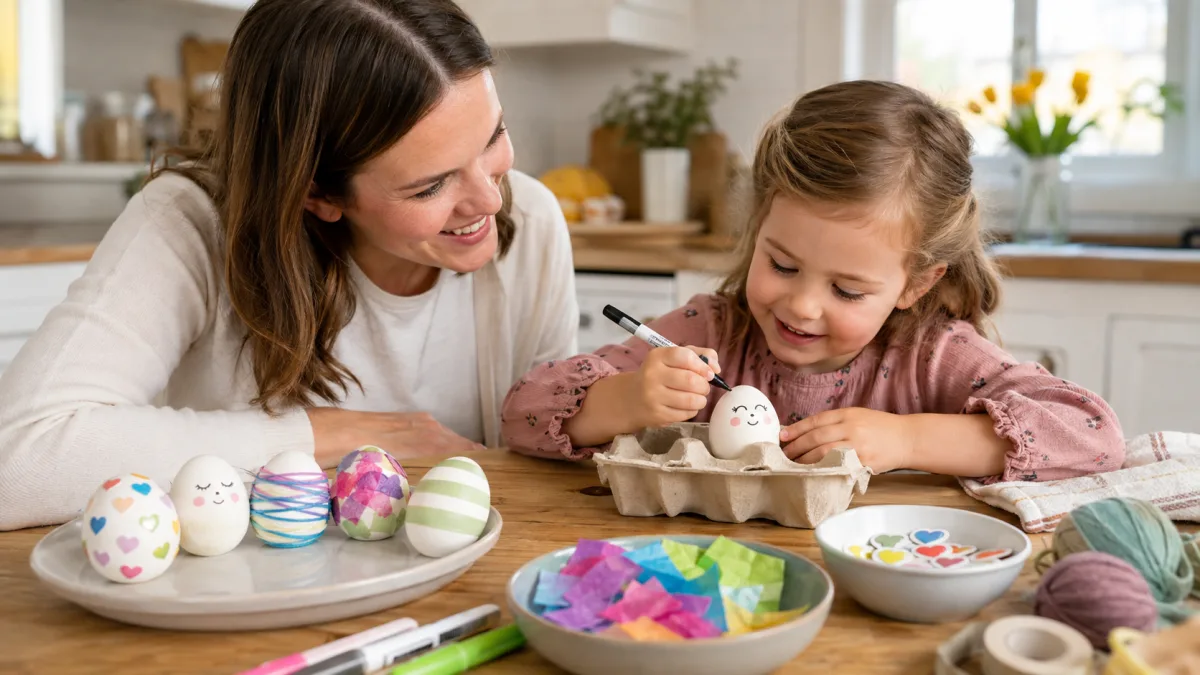
Five Ways to Decorate an Egg With No Dye
Stickers, felt tips, wool, tissue paper and tape. All five work on a hard-boiled egg and none of them stain anything.
-
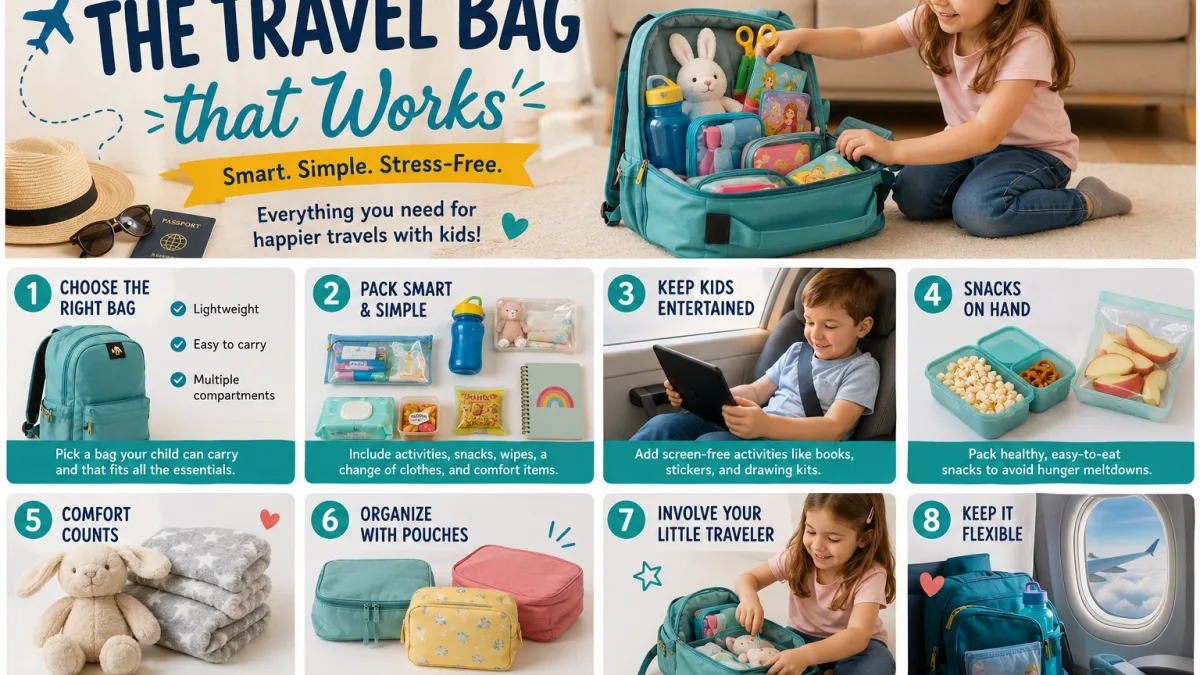
What to Actually Put in the Travel Bag
Several small things, handed out one at a time. That single rule matters more than anything you put in it.
-
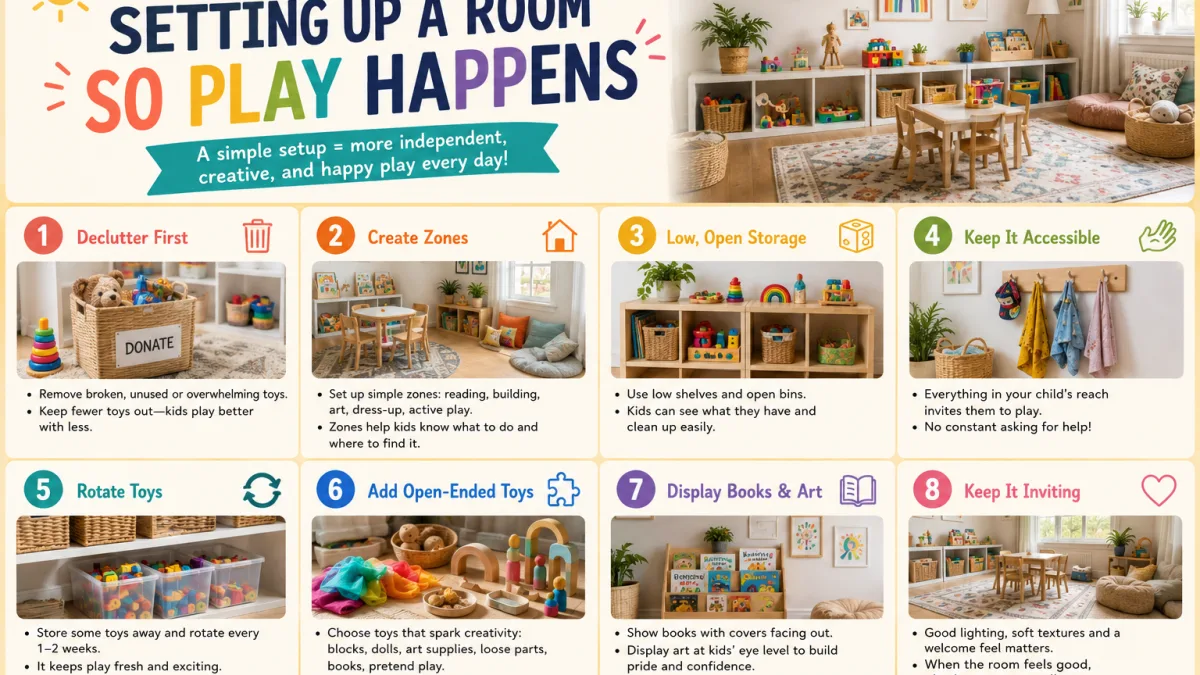
Setting Up a Room So Play Happens Without You
The highest-leverage thing on this whole site. Fewer things out, at their height, in containers they can open.
-
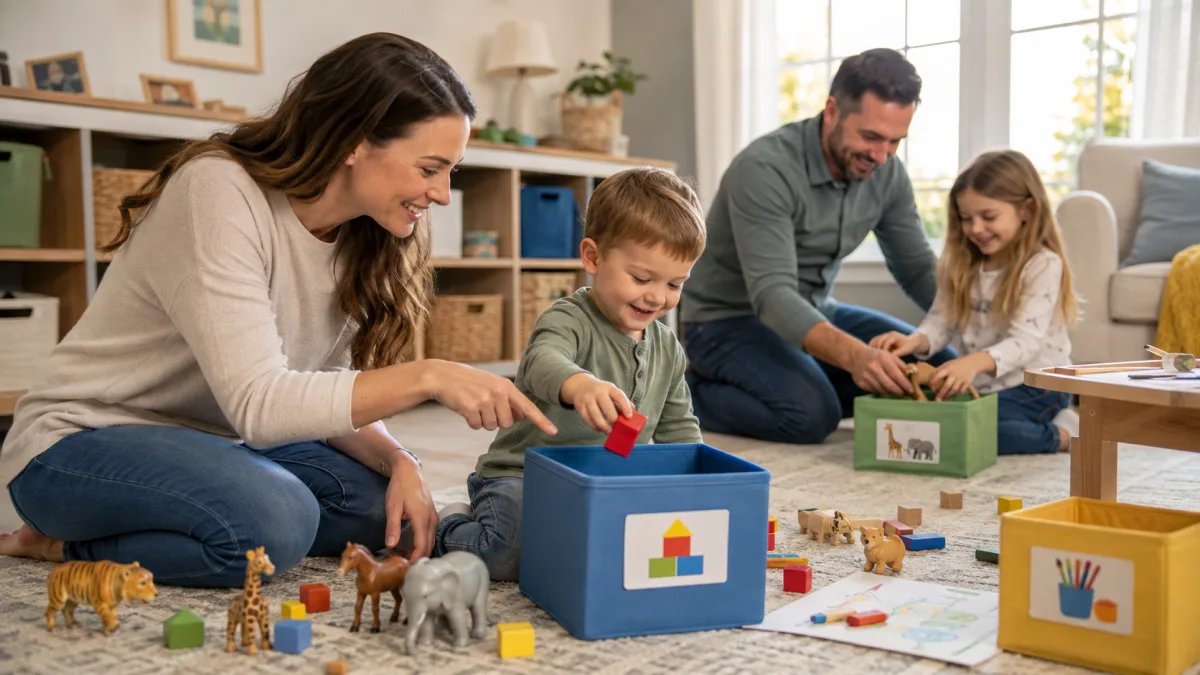
Tidying Up Without the Battle
"Tidy up" is an impossible instruction. "Put the blocks in the blue box" is a job a three-year-old can finish.
-
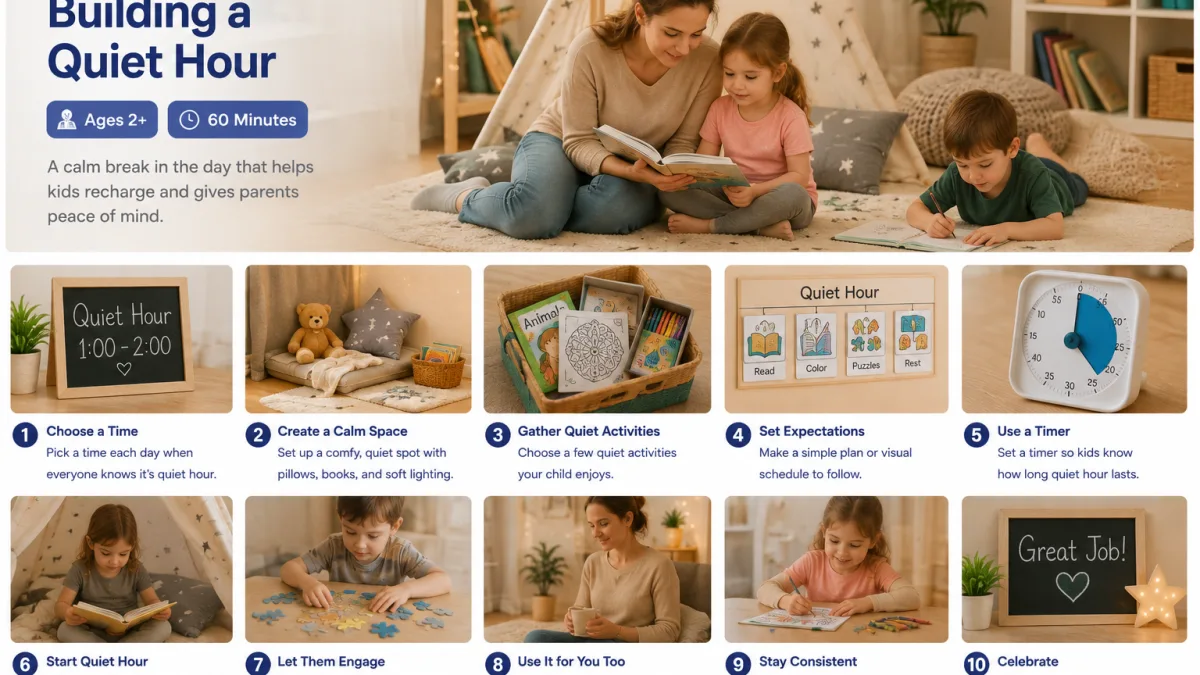
Building a Quiet Hour After the Naps Stop
Quiet time is learnable. Start at ten minutes, same time every day, with a small box of things that only appear then.
-
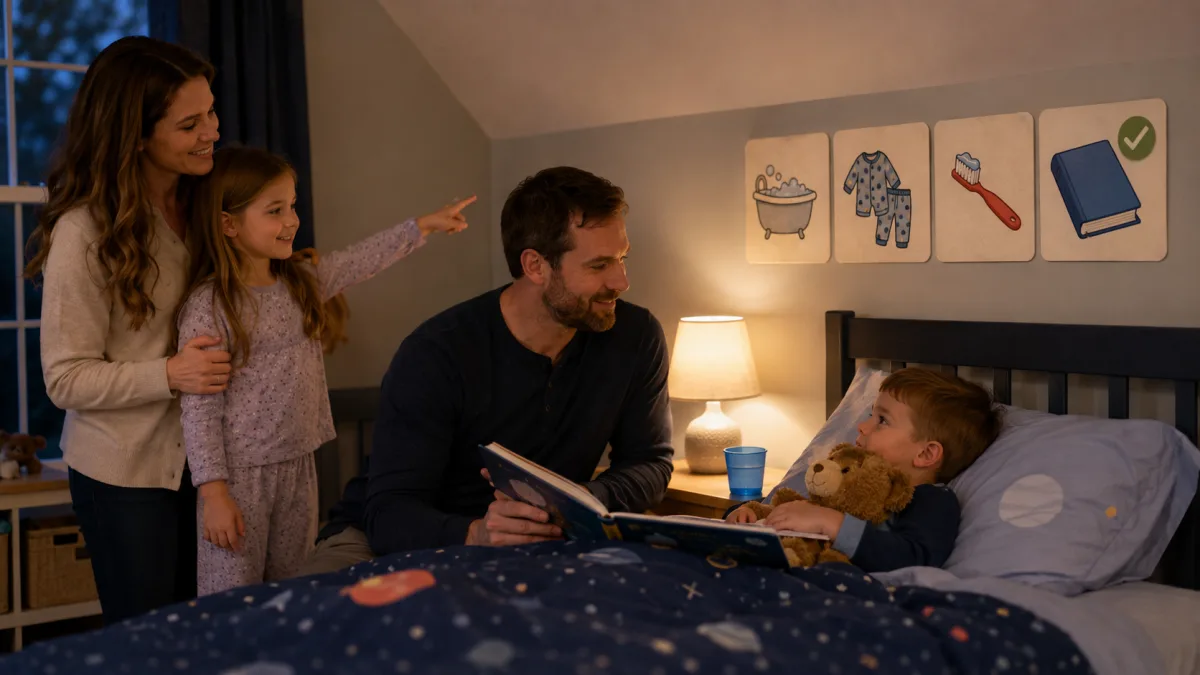
Making Bedtime Shorter
Most bedtime trouble is a routine problem, not a sleep problem. Fewer decisions, same order, clear last thing.
-
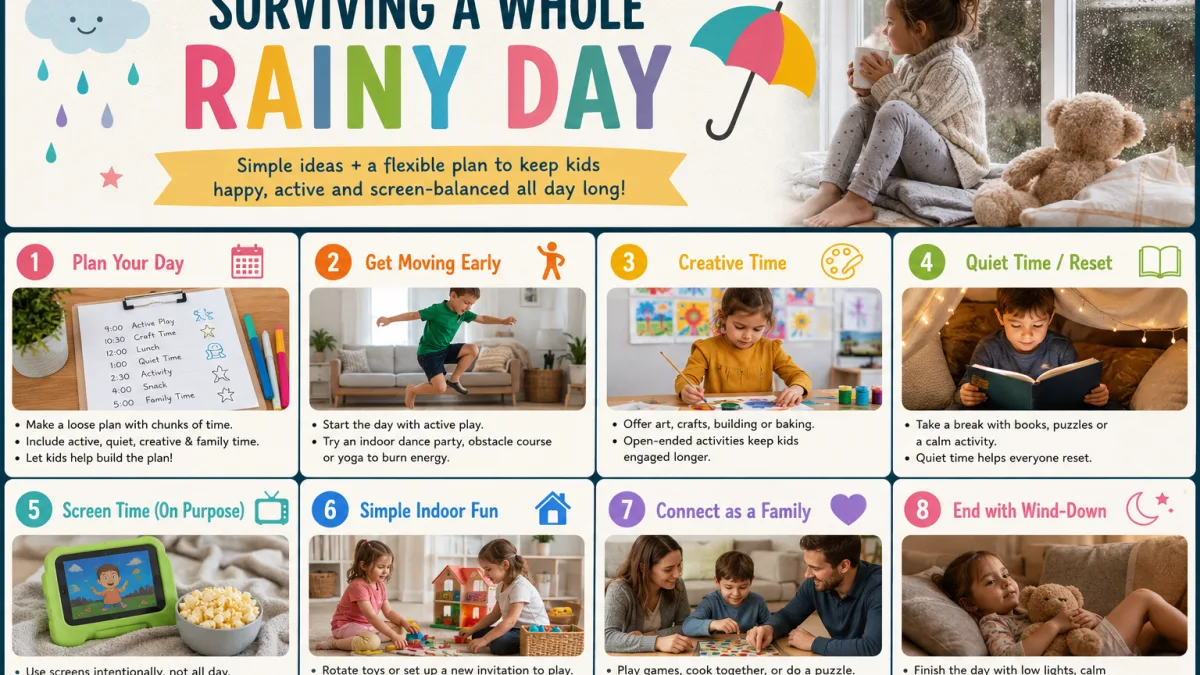
The Shape of a Rainy Day
A whole day indoors needs a shape, not a list. Energy first, then absorbing, then quiet, then food — repeated.
-
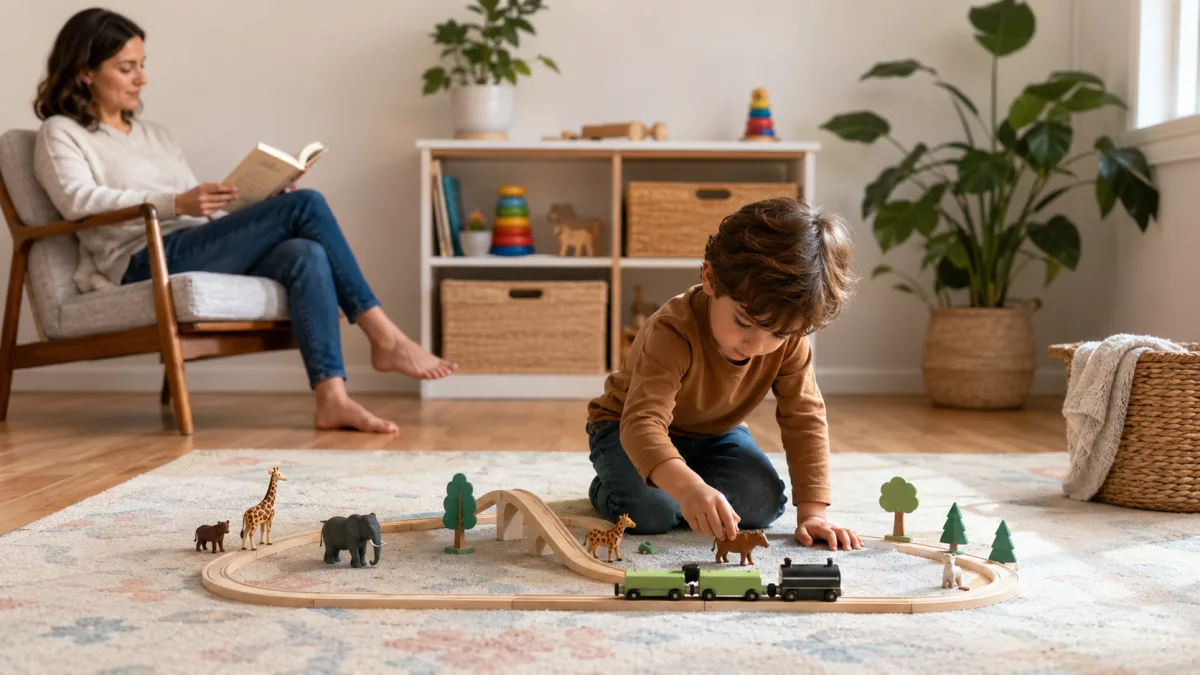
Teaching a Child to Play Alone
It is built, not waited for. Stay in the room, say less, and leave for two minutes before you leave for twenty.
-
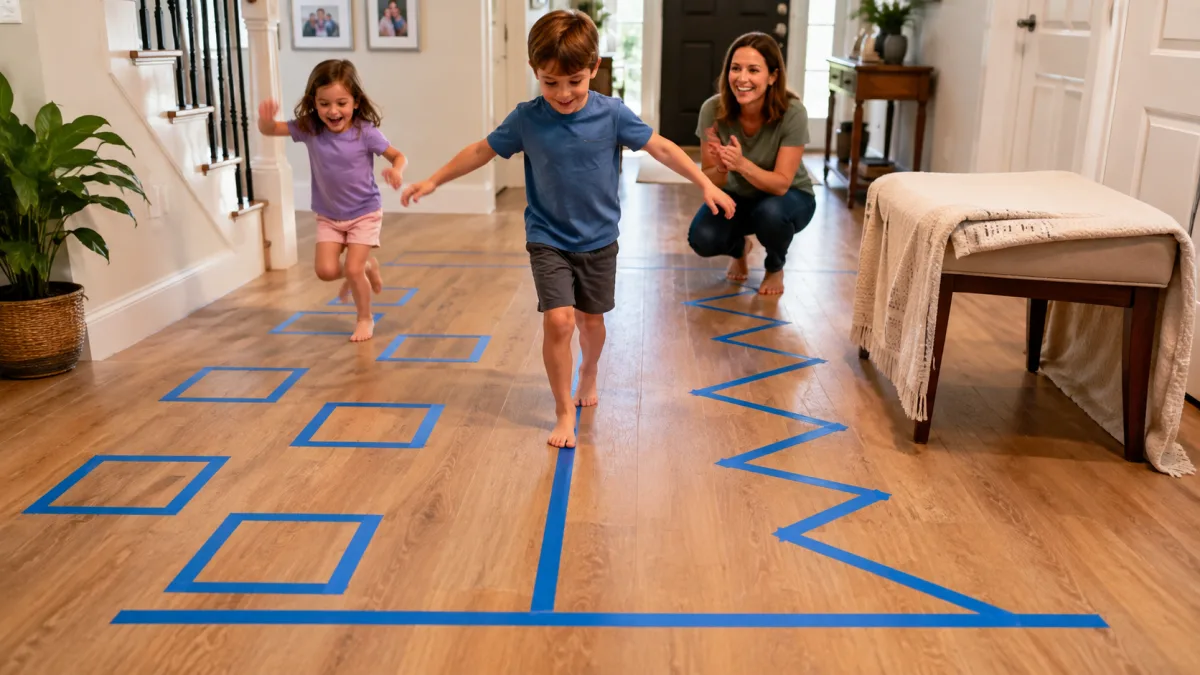
A Masking Tape Obstacle Course
One roll of tape turns a hallway into a course to balance, jump and crawl along. Works in a flat, upstairs, in the rain.
-
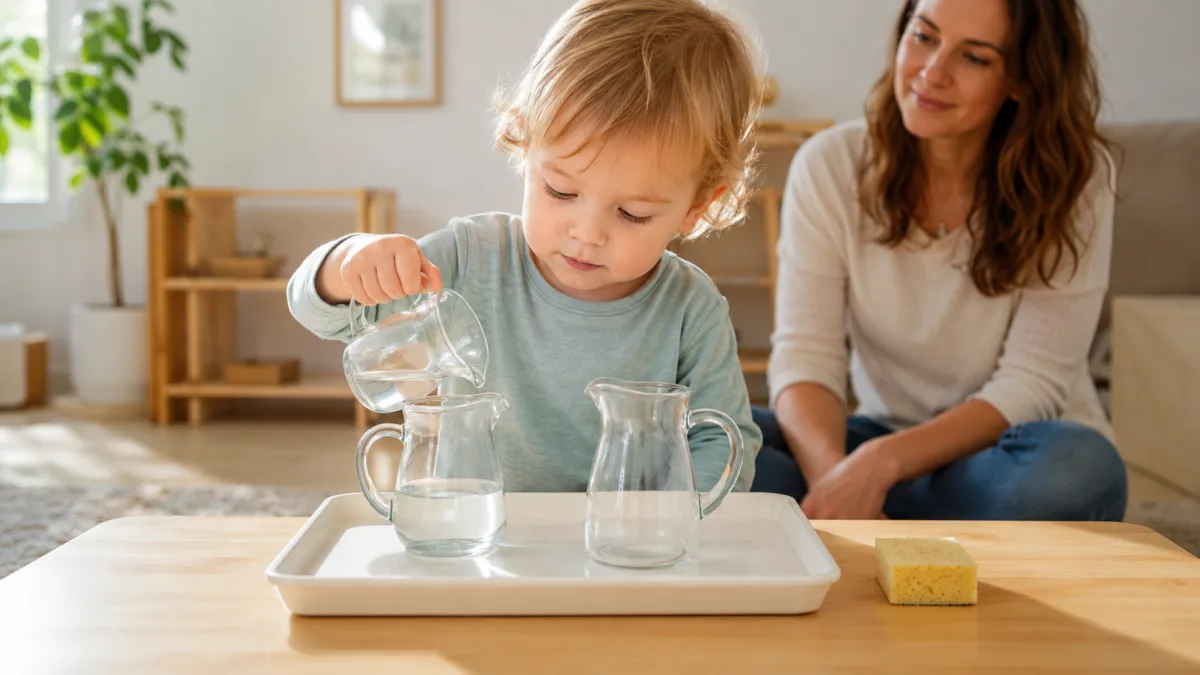
A Pouring Station
Two small jugs, a tray, and water. Absorbing, genuinely useful, and a child can do it entirely alone.
-
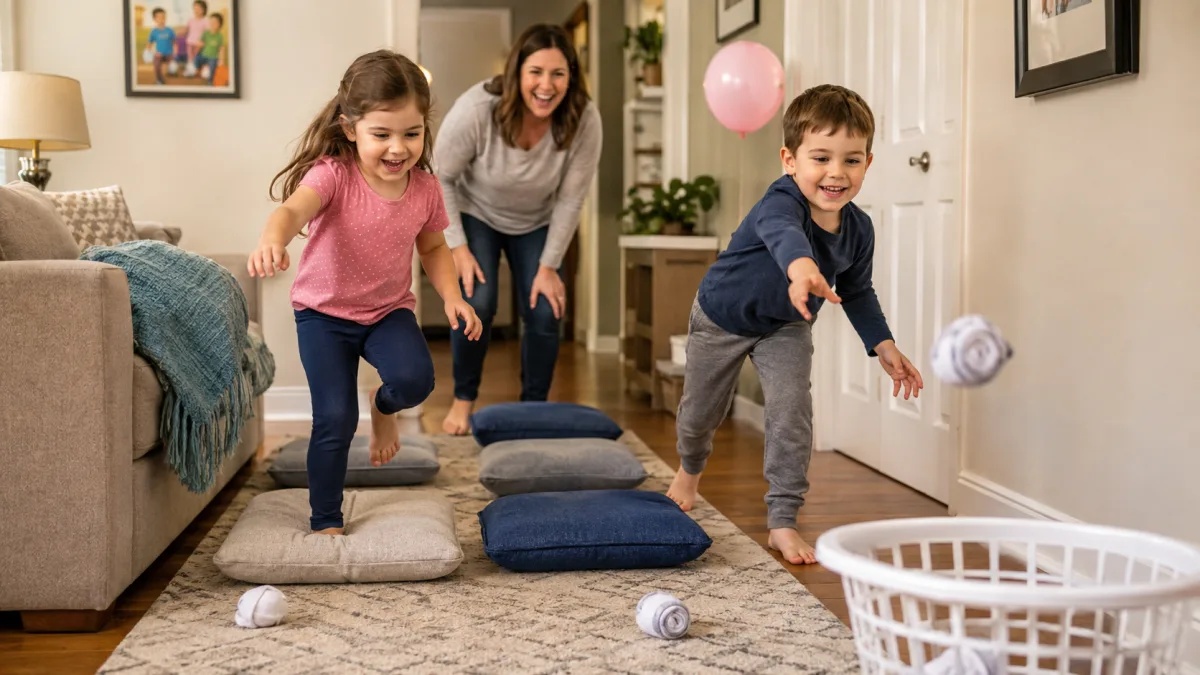
Getting the Energy Out in a Small Room
Four ways to wear a child out indoors without breaking anything or annoying the neighbours downstairs.
-
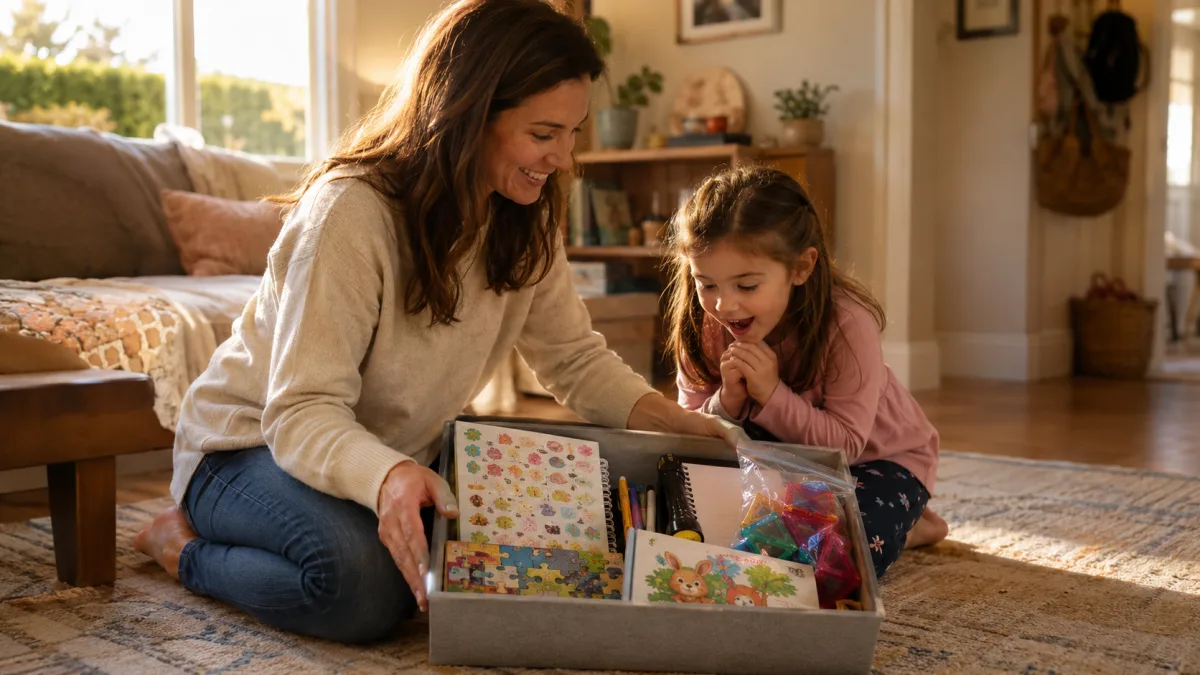
A Quiet Box for the Difficult Hour
One box, five or six calm things, brought out only when everything is falling apart. It works because it is rare.


